
Semiconductor manufacturing is a highly complex and precise industry that lies at the heart of modern technology. From smartphones to supercomputers, the semiconductors produced through intricate processes are integral to the functioning of countless electronic devices. One often-overlooked yet crucial component in this manufacturing process is the rubber plug. While it may seem like a simple and mundane element, rubber plugs play a vital role in ensuring the efficiency, reliability, and overall success of semiconductor production.
To fully appreciate the significance of rubber plugs, it is essential to delve into the intricacies of semiconductor manufacturing. This process involves numerous steps, each requiring meticulous attention to detail and stringent quality control measures. From the initial raw material preparation to the final packaging of the chips, every stage is critical. Rubber plugs come into play during specific phases, particularly those involving cleaning, etching, deposition, and protection of delicate components.
One of the primary functions of rubber plugs is to seal openings and prevent contamination. In semiconductor manufacturing, even the tiniest particle can cause significant defects, leading to the rejection of entire batches of chips. Rubber plugs are designed to fit snugly into various ports, tubes, and connections, creating an airtight seal that keeps out dust, moisture, and other contaminants. This sealing capability is crucial during processes such as chemical vapor deposition (CVD) and wet etching, where precise control over the environment is essential.
CVD is a technique used to deposit thin layers of material onto a substrate, often a silicon wafer. The process involves introducing gaseous precursors into a reaction chamber, where they react and form a solid layer on the wafer surface. Rubber plugs are used to seal the inlets and outlets of the chamber, ensuring that no external contaminants can enter and disrupt the deposition process. Similarly, during wet etching, where chemical solutions are used to remove material from the wafer, rubber plugs seal the etching equipment to prevent cross-contamination between different batches of wafers.
Another important role of rubber plugs is to protect delicate components during transportation and storage. Semiconductor wafers are extremely fragile and can be easily damaged by physical contact or exposure to harsh environments. Rubber plugs are used to cover the edges and connections of wafers, providing a cushioning effect that prevents chips and cracks. They also help to maintain the integrity of the wafers' surfaces, ensuring that they remain free from scratches and other defects that could impact their performance.
In addition to their sealing and protective functions, rubber plugs also facilitate the handling and processing of wafers within manufacturing equipment. Automated systems are widely used in semiconductor fabs to handle wafers with high precision and speed. These systems rely on rubber plugs to ensure that wafers are securely held in place during transportation between different processing stations. The plugs' flexibility and durability allow them to adapt to the varying shapes and sizes of wafers, making them an indispensable component in the automation process.
The material composition of rubber plugs is carefully selected to meet the demanding requirements of semiconductor manufacturing. They must be resistant to the chemicals and temperatures encountered during processing, as well as possess excellent elastic properties to maintain a tight seal. Furthermore, they must be free from any contaminants that could leach out and affect the quality of the wafers. Manufacturers of rubber plugs invest significant resources into research and development to create materials that meet these stringent criteria.
Quality control is of utmost importance in semiconductor manufacturing, and rubber plugs are no exception. Each batch of plugs undergoes rigorous testing to ensure that they meet the specified dimensions, material properties, and performance standards. This testing includes visual inspections, mechanical tests, and chemical resistance tests to verify that the plugs can withstand the harsh conditions of the manufacturing process.
As the semiconductor industry continues to evolve, so too do the requirements for rubber plugs. Advances in chip design and manufacturing processes are driving the need for smaller, more precise, and more durable plugs. Miniaturization, in particular, is a significant trend in the industry, with chips becoming increasingly smaller and more complex. This has led to a demand for rubber plugs that can accommodate the tighter tolerances and more intricate designs of modern semiconductors.
In response to these challenges, manufacturers of rubber plugs are continuously innovating and improving their products. They are developing new materials with enhanced properties, such as higher temperature resistance and improved chemical compatibility. They are also investing in advanced manufacturing techniques, such as injection molding and precision machining, to produce plugs with the required specifications.
Moreover, the sustainability of rubber plugs is becoming an important consideration in semiconductor manufacturing. With growing concerns about environmental impact and resource conservation, manufacturers are seeking ways to reduce the environmental footprint of their products. This includes using recyclable materials, minimizing waste during production, and optimizing the design of plugs to extend their lifespan.
In conclusion, rubber plugs may seem like a minor component in the grand scheme of semiconductor manufacturing, but their importance cannot be overstated. They play a critical role in sealing, protecting, and handling wafers during various stages of the manufacturing process. Their ability to prevent contamination, maintain the integrity of wafers, and facilitate automation makes them an indispensable part of modern semiconductor fabs. As the industry continues to advance, the role of rubber plugs will only become more significant, with manufacturers striving to meet the ever-increasing demands for precision, durability, and sustainability.
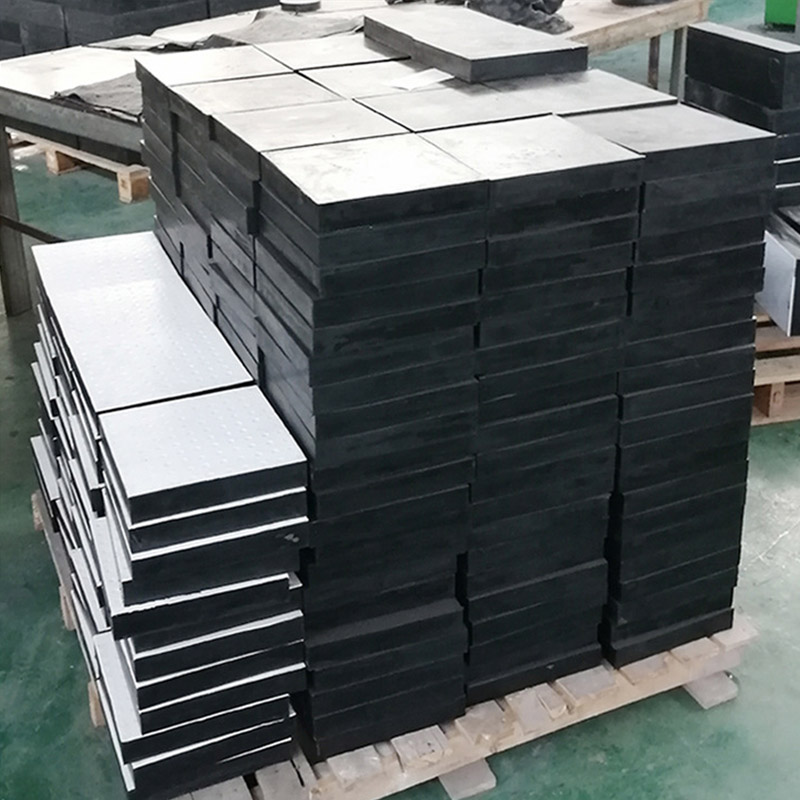 Why Do Some Bridge Bearing Pads Fail in Five Years While Others Last Fifty? A Root-Cause Analysis
 How Much Load Can a Bridge Bearing Pad Actually Carry? Engineering Data for Safe Girder Support
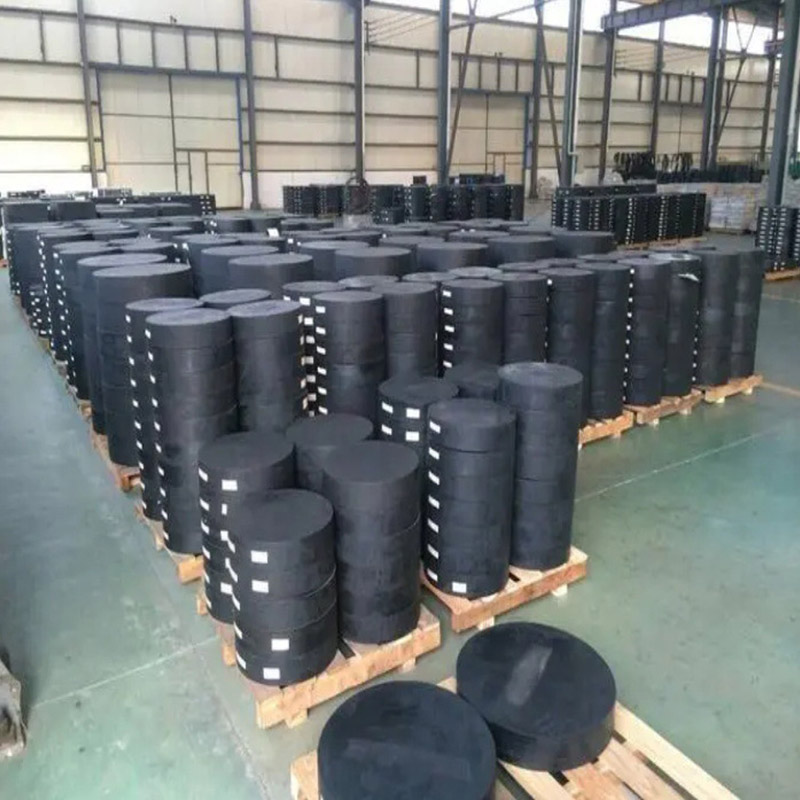 Is Your Bridge Bearing Pad Specified for the Wrong Rubber Grade? Why Elastomeric Bridge Bearing Pad Selection Decides 50-Year Deck Life
 Can a Loading Dock Bumper Survive -30°C Winters and +50°C Summers? Here Is the Extreme-Weather Data