
In the realm of renewable energy, wind turbines stand as towering giants, harnessing the power of wind to generate electricity in a sustainable and environmentally friendly manner. These colossal structures are engineered with precision, incorporating a myriad of components that work in harmony to convert kinetic energy from the wind into electrical energy. Among the multitude of parts that constitute a wind turbine, rubber plugs may seem insignificant at first glance. However, their role is far from trivial; they play a critical yet often overlooked function in ensuring the efficiency, longevity, and overall performance of wind turbines.
Rubber plugs, typically made from high-quality elastomeric materials, serve multiple purposes in wind turbine applications. They are designed to withstand the harsh environmental conditions to which wind turbines are exposed, including extreme weather, temperature fluctuations, and constant exposure to the elements. This durability is essential, as wind turbines are often located in remote and inhospitable areas where maintenance can be challenging and costly.
One of the primary functions of rubber plugs in wind turbines is to provide sealing solutions. Sealing is crucial in preventing the ingress of moisture, dust, and debris into sensitive components of the turbine. For instance, the gearbox, generator, and nacelle are critical areas where even the smallest particle can cause significant damage or reduce efficiency. Rubber plugs are strategically placed in various openings and joints to create a tight seal, thereby protecting these components from external contaminants.
In addition to sealing, rubber plugs are also utilized for damping and vibration control. Wind turbines are subject to constant dynamic loads due to the varying wind speeds and directions. These loads can induce vibrations and oscillations, which, if left unchecked, can lead to premature wear and tear of components, reduced structural integrity, and even catastrophic failures. Rubber plugs, with their inherent damping properties, help absorb and dissipate these vibrations, thereby enhancing the stability and reliability of the turbine.
Furthermore, rubber plugs play a vital role in cable management within wind turbines. The intricate wiring systems that power and control the turbine's various functions require careful organization and protection. Rubber plugs are used to secure and insulate cables, preventing them from chafing against each other or against sharp edges. This not only extends the lifespan of the cables but also reduces the risk of electrical shorts and fires, ensuring the safety of the turbine and its operators.
Another application of rubber plugs in wind turbines is in the blade pitch control system. The pitch of the blades is adjusted to optimize the turbine's power output and protect it from over-speeding during high wind conditions. Rubber plugs are used in the pitch mechanism to provide a flexible and durable connection between moving parts, allowing for smooth and precise control of the blade angle. This, in turn, contributes to the overall efficiency and reliability of the turbine.
The design and selection of rubber plugs for wind turbine applications are not arbitrary. They must meet stringent performance criteria, including resistance to ozone, UV radiation, and chemicals commonly found in the atmospheric environment. Moreover, they must exhibit excellent elastic recovery to maintain their sealing and damping properties over the turbine's operational lifespan, which can span several decades.
The installation and maintenance of rubber plugs are also critical aspects of their role in wind turbines. Proper installation ensures that the plugs fit securely and perform as intended. Regular inspections and replacements, as needed, are essential to prevent leaks, wear, and tear, and to maintain the turbine's operational integrity. Given the challenging access to some parts of the turbine, especially those at height, specialized tools and techniques may be required for the installation and maintenance of rubber plugs.
In recent years, advancements in materials science have led to the development of new elastomeric compounds specifically tailored for wind turbine applications. These materials offer improved durability, resistance to environmental degradation, and enhanced sealing and damping properties. As the wind energy industry continues to grow and evolve, the demand for high-performance rubber plugs is expected to increase, driving further innovation in materials and design.
The economic and environmental benefits of wind energy are well-documented. However, the reliability and efficiency of wind turbines hinge on the performance of their individual components, including seemingly insignificant parts like rubber plugs. The failure of a single component can have cascading effects on the entire turbine, leading to costly downtime, repairs, and potential safety hazards. Therefore, investing in high-quality rubber plugs and ensuring their proper installation and maintenance is a prudent decision that can significantly contribute to the long-term success of wind energy projects.
In conclusion, rubber plugs play a multifaceted and indispensable role in wind turbine applications. From sealing and damping to cable management and blade pitch control, these unassuming components are integral to the efficient, reliable, and safe operation of wind turbines. As the wind energy industry continues to expand, the importance of rubber plugs and other similar components will only grow, underscoring the need for ongoing research, development, and innovation in this field. By recognizing and appreciating the contributions of rubber plugs, we can better harness the power of wind to meet our energy needs in a sustainable and responsible manner.
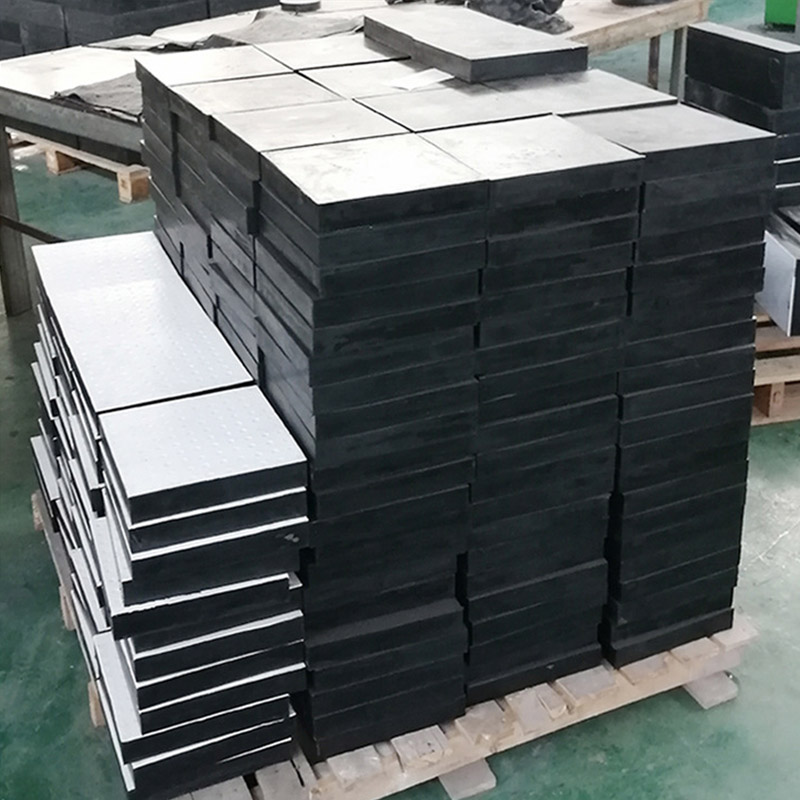 Why Do Some Bridge Bearing Pads Fail in Five Years While Others Last Fifty? A Root-Cause Analysis
 How Much Load Can a Bridge Bearing Pad Actually Carry? Engineering Data for Safe Girder Support
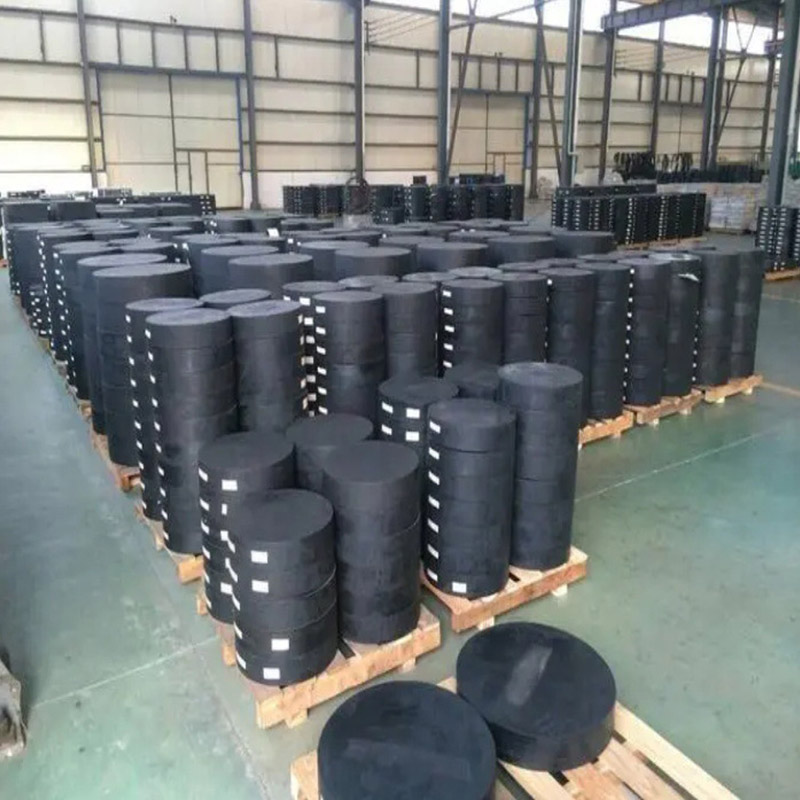 Is Your Bridge Bearing Pad Specified for the Wrong Rubber Grade? Why Elastomeric Bridge Bearing Pad Selection Decides 50-Year Deck Life
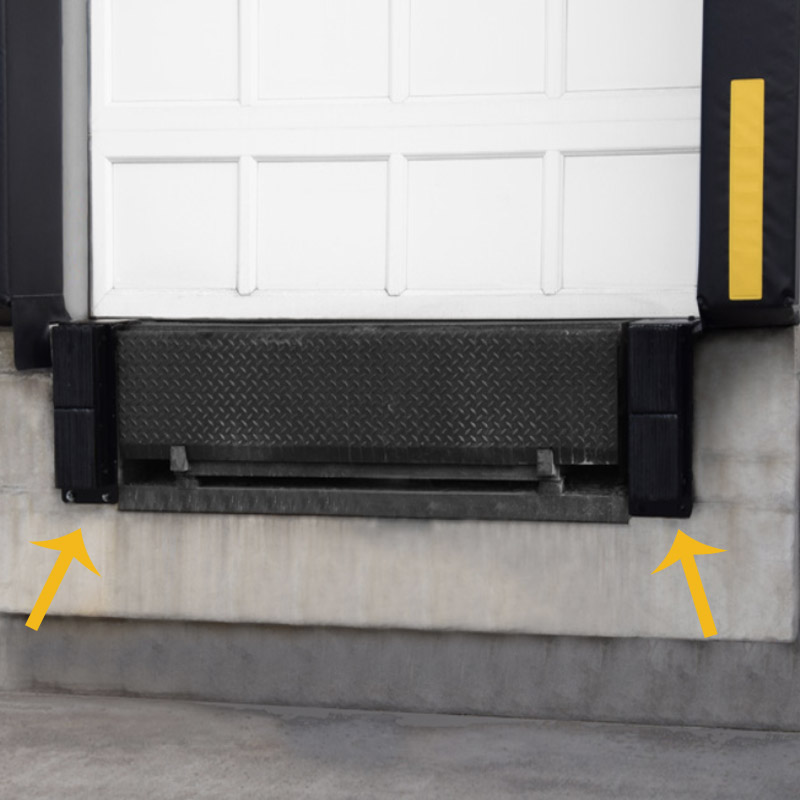 Can a Loading Dock Bumper Survive -30°C Winters and +50°C Summers? Here Is the Extreme-Weather Data