
In the realm of renewable energy, solar power stands out as one of the most promising and rapidly developing sectors. As the world shifts towards sustainable energy solutions, solar energy systems have become increasingly sophisticated, integrating advanced technologies to enhance efficiency and reliability. One seemingly minor yet crucial component in these systems is the rubber plug. Though often overlooked, rubber plugs play a vital role in the functionality and maintenance of solar energy systems. This article delves into the technical aspects of rubber plugs, exploring their materials, design considerations, applications, and the importance of their role in ensuring the smooth operation of solar installations.
Materials and Properties
Rubber plugs used in solar energy systems are crafted from a variety of elastomeric materials, each with unique properties tailored to specific environmental conditions and application requirements. The choice of material is critical, as it must withstand exposure to extreme temperatures, ultraviolet (UV) radiation, moisture, and chemicals commonly found in outdoor environments.
Elastomers such as ethylene propylene diene monomer (EPDM), silicone, and neoprene are frequently employed due to their excellent weather resistance and durability. EPDM, in particular, is favored for its outstanding resistance to ozone, UV rays, and general weathering, making it ideal for long-term outdoor use. Silicone rubber offers high temperature stability and excellent electrical insulation properties, which are beneficial in certain solar system components where electrical isolation is essential. Neoprene, on the other hand, provides good oil and chemical resistance, making it suitable for applications where the plug may come into contact with lubricants or cleaning agents.
The material selection process also involves considering the plug's hardness, elasticity, and compression set. Hardness, measured on the Shore A or Shore D scale, determines the plug's ability to seal effectively without causing damage to the mating surfaces. Elasticity ensures the plug can return to its original shape after being compressed or stretched, maintaining a tight seal over time. Compression set, which is the permanent deformation that occurs after prolonged compression, is crucial as it affects the long-term sealing performance of the plug.
Design Considerations
The design of rubber plugs in solar energy systems is a balance of form, function, and material properties. Designers must consider several factors to ensure the plugs perform optimally under various conditions.
One key consideration is the shape and size of the plug. It must fit securely into the designated opening, creating a tight seal without being overly tight, which could lead to installation difficulties or material stress. The plug's profile, whether it's cylindrical, conical, or stepped, influences its sealing capability and ease of insertion and removal.
Another aspect is the inclusion of features such as ribs, grooves, or textured surfaces. These elements can enhance the plug's grip, preventing it from slipping out of place due to vibration or thermal expansion. Some plugs are designed with a flange or washer to distribute pressure more evenly and improve sealing efficiency.
Furthermore, the integration of venting or drainage holes in the plug's design can be beneficial. These holes allow for the escape of air or the drainage of water, preventing pressure build-up that could compromise the seal or damage the system. In applications where the plug is used to seal enclosures containing electronic components, venting holes help equalize pressure differences, reducing the risk of moisture ingress or component failure.
Applications in Solar Energy Systems
Rubber plugs serve multiple purposes in solar energy systems, contributing to their overall efficiency, safety, and longevity. Some of the primary applications include:
Cable Entry Sealing: In photovoltaic (PV) panels and inverters, rubber plugs are used to seal cable entries, preventing moisture, dust, and insects from penetrating the enclosures. This is crucial for maintaining the integrity of electrical connections and preventing short circuits or corrosion.
Mounting Hole Covers: During the installation of solar panels, rubber plugs can be used to temporarily cover mounting holes, protecting them from debris and ensuring a clean, secure fit when the mounting hardware is installed.
Ventilation and Drainage: In solar thermal systems, rubber plugs with venting or drainage holes are used to regulate pressure and drain condensation, preventing water accumulation that could freeze and cause damage in cold climates.
Component Isolation: Rubber plugs are employed to isolate electrical components from the environment, providing an additional layer of protection against moisture, dirt, and other contaminants.
Maintenance and Servicing: During routine maintenance or servicing of solar energy systems, rubber plugs can be used to temporarily seal openings, preventing foreign objects from entering the system while work is being performed.
Importance and Benefits
The use of rubber plugs in solar energy systems offers several significant benefits. Firstly, they enhance the system's reliability by providing a barrier against environmental factors that could lead to component failure or degradation. This, in turn, reduces the need for frequent repairs or replacements, lowering the overall cost of ownership.
Secondly, rubber plugs contribute to the safety of solar installations. By preventing moisture ingress and maintaining a clean, dry environment within the system, they help avoid electrical hazards such as short circuits, which could pose a risk to personnel and equipment.
Moreover, the durability and weather resistance of rubber plugs ensure long-lasting performance, even in harsh outdoor conditions. This longevity is essential for solar energy systems, which are often installed in exposed locations and must withstand extreme weather events.
Finally, the versatility of rubber plugs allows them to be tailored to specific applications and system requirements. This adaptability makes them a valuable component in the design and implementation of solar energy systems, enabling engineers and installers to address sealing challenges effectively.
In conclusion, rubber plugs play a fundamental yet often underappreciated role in solar energy systems. Their material properties, design considerations, and diverse applications highlight their importance in ensuring the efficiency, safety, and longevity of solar installations. By providing a reliable barrier against environmental factors, rubber plugs contribute to the overall performance and cost-effectiveness of solar energy systems, making them an indispensable component in the transition to sustainable energy solutions.
As the solar industry continues to evolve, the development of new materials and designs for rubber plugs will further enhance their capabilities, addressing emerging challenges and improving the robustness of solar energy systems. The ongoing research and innovation in this field will undoubtedly contribute to the widespread adoption of solar power, paving the way for a more sustainable and resilient energy future.
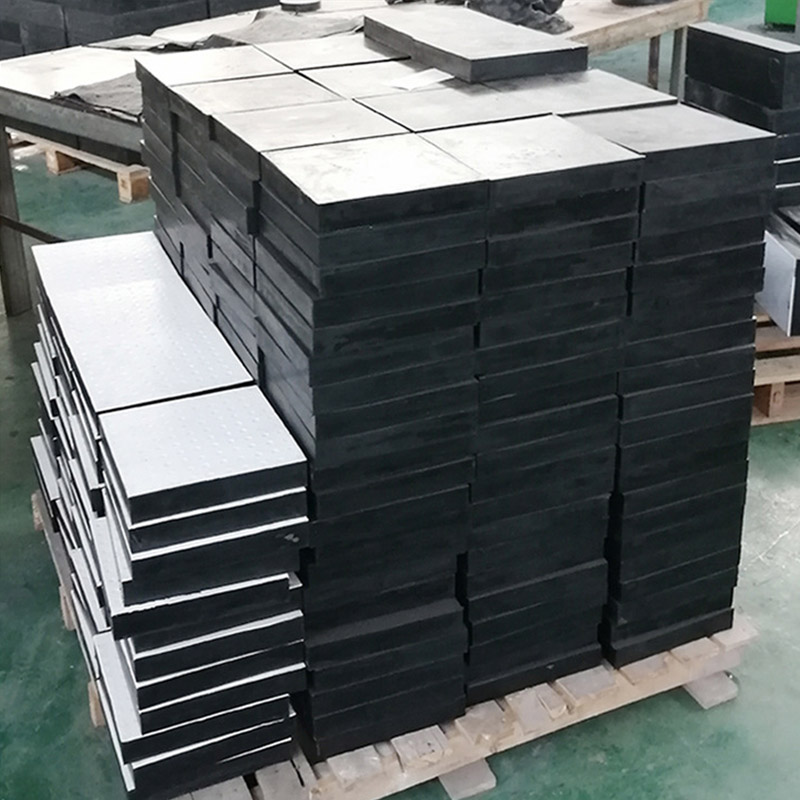 Why Do Some Bridge Bearing Pads Fail in Five Years While Others Last Fifty? A Root-Cause Analysis
 How Much Load Can a Bridge Bearing Pad Actually Carry? Engineering Data for Safe Girder Support
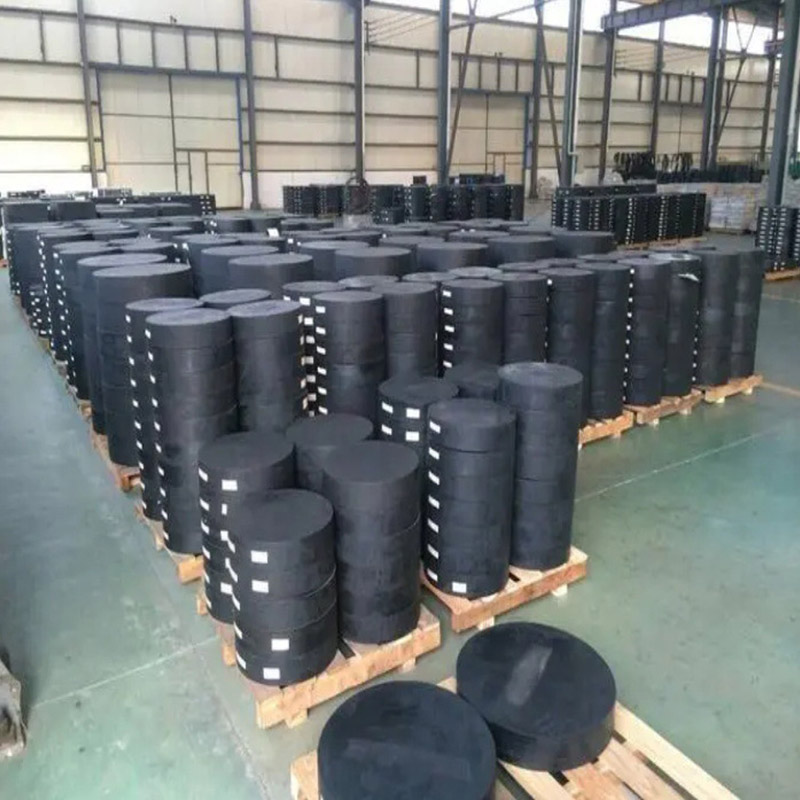 Is Your Bridge Bearing Pad Specified for the Wrong Rubber Grade? Why Elastomeric Bridge Bearing Pad Selection Decides 50-Year Deck Life
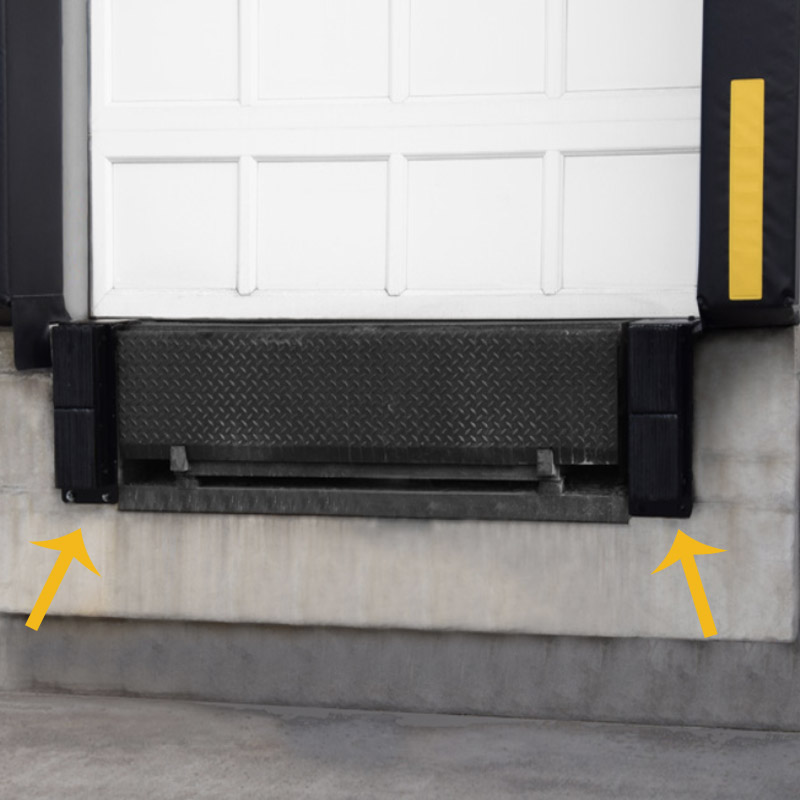 Can a Loading Dock Bumper Survive -30°C Winters and +50°C Summers? Here Is the Extreme-Weather Data