
In the realm of industrial manufacturing and everyday applications, rubber plugs serve as unsung heroes, fulfilling a multitude of roles from sealing pipelines to protecting electrical components. Their significance lies not just in their functionality but also in the delicate balance they strike between cost and performance. The material composition of these unassuming devices plays a pivotal role in determining their efficacy, durability, and ultimately, their value proposition. This article delves into the intricate relationship between rubber plug material, cost, and performance, highlighting the factors that influence material selection and the consequences of these choices.
Understanding Rubber Plug Materials
Rubber plugs are crafted from a variety of elastomeric materials, each possessing unique properties that make them suitable for different applications. Elastomers, known for their elasticity and ability to recover their original shape after deformation, encompass natural rubber, synthetic rubbers, and thermoplastic elastomers. The selection of the right elastomer is critical as it directly impacts the plug's resistance to temperature extremes, chemicals, abrasion, and compression set, among other factors.
Natural rubber, derived from the latex of rubber trees, offers excellent elasticity, tear resistance, and good abrasion resistance. However, it is susceptible to degradation by oils, ozone, and ultraviolet light. Synthetic rubbers, such as styrene-butadiene rubber (SBR), nitrile rubber (NBR), and ethylene-propylene-diene monomer (EPDM), have been engineered to overcome some of these limitations. For instance, NBR exhibits high resistance to oils and fuels, making it ideal for automotive and aerospace applications, while EPDM provides outstanding weathering resistance and is commonly used in outdoor applications.
Thermoplastic elastomers (TPEs) represent a relatively new class of materials that combine the elastic properties of rubbers with the processability of thermoplastics. They can be repeatedly melted and molded, offering design flexibility and cost-effectiveness. TPEs are known for their ease of recycling, which aligns with the growing trend towards sustainability in manufacturing.
Cost Considerations
The cost of rubber plug materials is influenced by several factors, including raw material availability, processing costs, and the specific properties required for the application. Natural rubber, though abundant in some regions, can be subject to price fluctuations due to weather conditions and political instability in producing countries. Synthetic rubbers, on the other hand, offer more consistent pricing but may involve higher production costs due to the complexity of their manufacturing processes.
TPEs often strike a balance between cost and performance. Their ability to be processed using conventional thermoplastic techniques reduces tooling and production costs. Furthermore, the potential for recycling TPE-based products can lead to long-term cost savings through reduced waste and disposal expenses.
When evaluating the cost of rubber plug materials, it is essential to consider the total cost of ownership. A cheaper material may initially seem attractive, but if it results in frequent replacements due to poor performance or failure under specific conditions, the long-term costs can escalate. Conversely, investing in a higher-quality material may lead to extended service life and reduced maintenance requirements, ultimately lowering the overall cost.
Performance Implications
The performance of a rubber plug is inherently linked to its material composition. Key performance indicators include sealing capability, durability, chemical resistance, and temperature stability.
Sealing capability is paramount in applications where preventing leaks is critical. The material must be able to conform to the surface it is sealing, maintain its shape under pressure, and resist extrusion. Elastomers with high elasticity and low compression set, such as EPDM or silicone, are often preferred for their sealing properties.
Durability refers to the plug's ability to withstand the rigors of its intended use without deteriorating. This includes resistance to abrasion, tear, and puncture. In harsh environments, where the plug may be exposed to sharp edges or abrasive particles, materials like NBR or polyurethane (PU) are favored for their toughness.
Chemical resistance is vital in applications where the plug will come into contact with corrosive substances. The material must be able to resist degradation, swelling, or softening when exposed to oils, solvents, acids, or bases. Specialty elastomers, such as fluoroelastomers (FKM) or perfluoroelastomers (FFKM), offer exceptional chemical resistance and are used in demanding industrial applications.
Temperature stability is another crucial factor. Rubber plugs must maintain their properties over a wide range of temperatures, from sub-zero conditions to high-heat environments. Materials like silicone or FKM exhibit excellent temperature resistance, making them suitable for extreme temperature applications.
Balancing Cost and Performance
The challenge lies in finding the optimal balance between cost and performance. This requires a thorough understanding of the application requirements and a careful evaluation of the available materials.
In some cases, a compromise may be necessary. For example, a material that offers superior chemical resistance may be more expensive and less elastic than an alternative. The decision-making process should consider the relative importance of each performance criterion and the potential consequences of failure.
Manufacturers often work closely with material suppliers to develop custom formulations that meet specific performance targets while keeping costs in check. This collaborative approach can lead to innovative solutions that push the boundaries of what is possible with standard off-the-shelf materials.
The impact of rubber plug material on cost and performance cannot be overstated. The choice of elastomer determines not only the initial cost but also the long-term value of the product. By carefully considering the application requirements and evaluating the properties of different materials, manufacturers can make informed decisions that strike the right balance between cost and performance.
As technology advances and new materials are developed, the options for rubber plug materials will continue to expand. The key is to stay abreast of these developments and leverage them to create products that meet the evolving needs of industries and consumers alike. Ultimately, the success of a rubber plug hinges on its ability to perform reliably and cost-effectively, and the material selection process is central to achieving this goal.
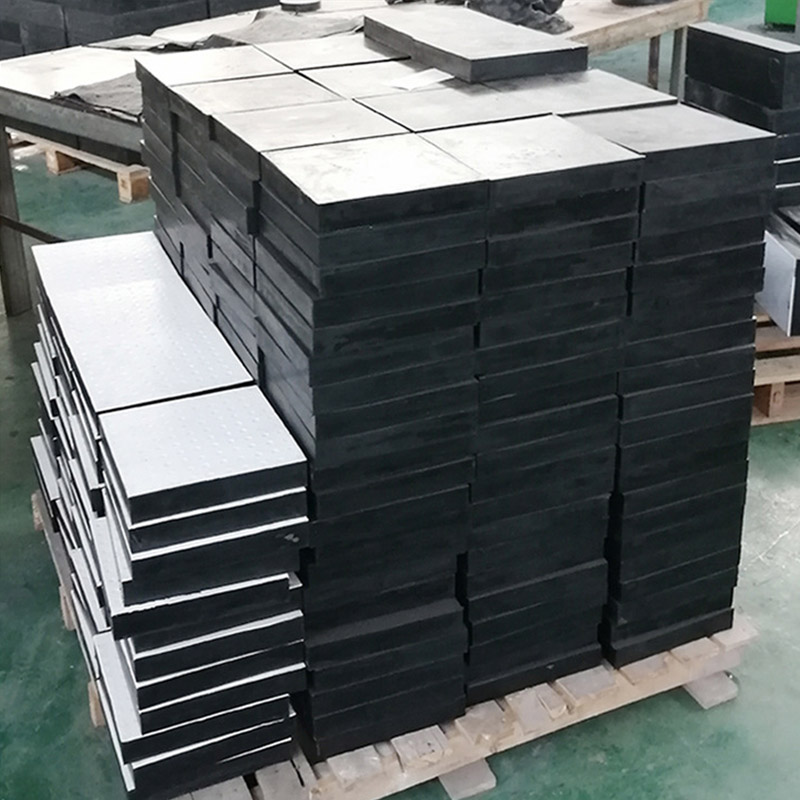 Why Do Some Bridge Bearing Pads Fail in Five Years While Others Last Fifty? A Root-Cause Analysis
 How Much Load Can a Bridge Bearing Pad Actually Carry? Engineering Data for Safe Girder Support
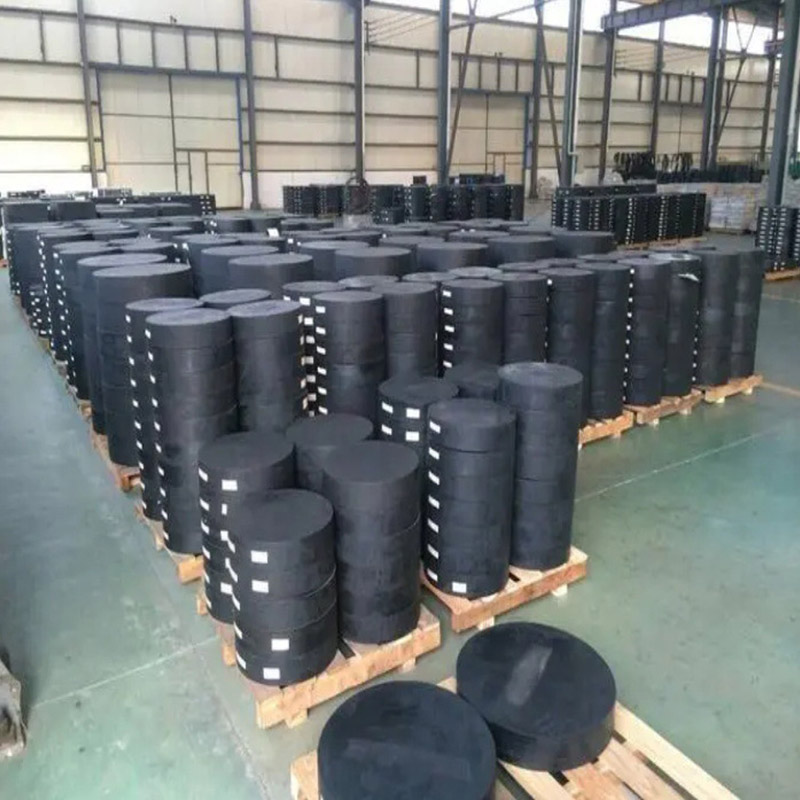 Is Your Bridge Bearing Pad Specified for the Wrong Rubber Grade? Why Elastomeric Bridge Bearing Pad Selection Decides 50-Year Deck Life
 Can a Loading Dock Bumper Survive -30°C Winters and +50°C Summers? Here Is the Extreme-Weather Data