
In the realm of engineering and industrial applications, pneumatic systems have long been revered for their versatility, efficiency, and reliability. Among the myriad of components that constitute these systems, the rubber pneumatic bag stands out as a simple yet ingenious invention. This unassuming device, often overlooked in the grand scheme of industrial machinery, plays a crucial role in various processes, from cushioning and lifting to clamping and forming. But what exactly is a rubber pneumatic bag, and how does it work? To delve into the intricacies of this mechanical marvel, we must first understand the fundamentals of pneumatics and then explore the specific mechanics that govern the operation of a rubber pneumatic bag.
The Basics of Pneumatics
Pneumatics is a branch of engineering that utilizes compressed gas—typically air—to power mechanical devices. Unlike hydraulic systems, which employ liquid under pressure, pneumatic systems rely on the compressibility of gas to transmit energy. The core components of any pneumatic system include a compressor to generate compressed air, a reservoir to store it, valves to control the flow of air, and actuators that convert the pneumatic energy into mechanical work. Actuators can take many forms, such as cylinders, motors, or, in our case, pneumatic bags.
Introducing the Rubber Pneumatic Bag
A rubber pneumatic bag, also known as an inflatable bladder or air bag, is a flexible, durable container made from rubber or a similar elastomeric material. It is designed to inflate and deflate rapidly in response to the introduction or release of compressed air. The bag's structure allows it to conform to the shape of the space it occupies, making it incredibly versatile for a wide range of applications. When deflated, it lies flat and unassuming; when inflated, it exerts force against its surroundings, providing lift, pressure, or cushioning as required.
The Working Principle
At its core, the operation of a rubber pneumatic bag hinges on the principle of Boyle's Law, which states that the pressure of a given quantity of gas is inversely proportional to its volume, provided the temperature remains constant. In simpler terms, when you compress a gas (reduce its volume), its pressure increases; conversely, when you allow the gas to expand (increase its volume), its pressure decreases.
In the context of a pneumatic bag, here's how this principle is applied:
Inflation Process:
Compressed air, typically supplied by an air compressor, is directed into the pneumatic bag through a valve.
As air enters the bag, it begins to inflate, causing the rubber walls to expand.
The pressure inside the bag increases initially but stabilizes as the volume of the bag increases, accommodating the incoming air.
The expanding bag exerts force outward, pushing against any objects or surfaces it comes into contact with. This force can be harnessed for lifting, clamping, or forming tasks.
Deflation Process:
To deflate the bag, the valve is opened to release the compressed air.
As air exits the bag, the rubber walls collapse inward, reducing the bag's volume.
The pressure inside the bag decreases, allowing the bag to return to its flattened state.
The release of air and the subsequent collapse of the bag remove the exerted force, enabling the system to reset or release the clamped/lifted object.
Key Components and Their Roles
Several components are integral to the efficient operation of a rubber pneumatic bag system:
Compressor: Provides the necessary compressed air, ensuring a consistent and reliable source of pneumatic power.
Reservoir: Stores compressed air, acting as a buffer to maintain pressure during peak demand and to smooth out fluctuations.
Valves: Control the flow of air into and out of the pneumatic bag. They can be manually operated, solenoid-activated, or pilot-controlled, depending on the application's requirements.
Hoses and Fittings: Connect the compressor, reservoir, valves, and pneumatic bag, ensuring a seamless transfer of compressed air.
Rubber Pneumatic Bag: The actuator that converts pneumatic energy into mechanical work, inflating and deflating to exert or release force.
Applications and Advantages
The versatility of rubber pneumatic bags makes them ideal for a multitude of applications across various industries:
Cushioning and Lifting: In manufacturing and assembly lines, pneumatic bags are used to cushion delicate components or to lift and position heavy objects with precision.
Clamping and Fixturing: They provide a secure and adjustable clamping force, holding workpieces in place during machining, welding, or assembly processes.
Forming and Shaping: In metalworking and composites industries, pneumatic bags can be used to form sheet metal or composite materials into complex shapes.
Packaging and Material Handling: They assist in packaging processes by securing products or in material handling by gripping and moving items.
The advantages of using rubber pneumatic bags are numerous:
Flexibility: They can conform to irregular shapes and surfaces, providing even pressure distribution.
Cost-Effectiveness: Compared to hydraulic systems, pneumatic systems are often less expensive to install and maintain.
Safety: Pneumatic bags offer a safe and controlled method of exerting force, reducing the risk of injury or damage to equipment.
Reliability: With few moving parts, pneumatic bags are less prone to wear and tear, ensuring long-term reliability.
In summary, a rubber pneumatic bag is a remarkable example of how simple principles of physics can be harnessed to create versatile and effective engineering solutions. By utilizing compressed air and the inherent properties of rubber, these bags can inflate and deflate to exert or release force, making them indispensable in a wide range of industrial applications.
Understanding the workings of a rubber pneumatic bag requires a grasp of the basics of pneumatics, the principle of Boyle's Law, and the roles of the various components involved. This knowledge not only illuminates the mechanics behind the bag's operation but also highlights its advantages and the reasons for its widespread use.
As technology advances, the applications for rubber pneumatic bags will undoubtedly continue to expand, further cementing their status as a staple in the world of pneumatics and industrial automation. Whether used for cushioning, lifting, clamping, or forming, these unassuming bags play a vital role in the efficient and effective operation of countless industrial processes.
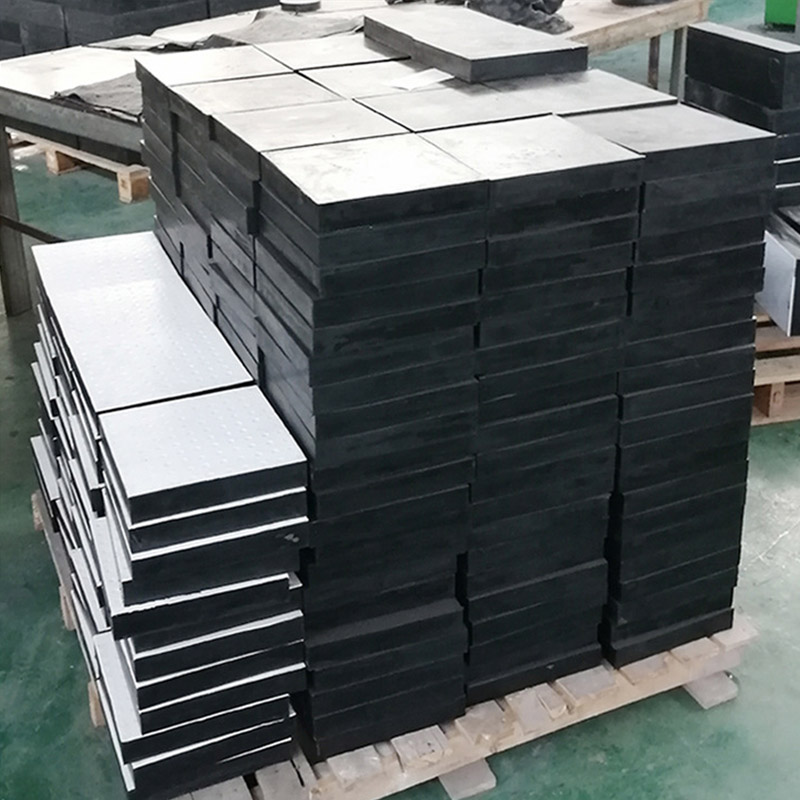 Why Do Some Bridge Bearing Pads Fail in Five Years While Others Last Fifty? A Root-Cause Analysis
 How Much Load Can a Bridge Bearing Pad Actually Carry? Engineering Data for Safe Girder Support
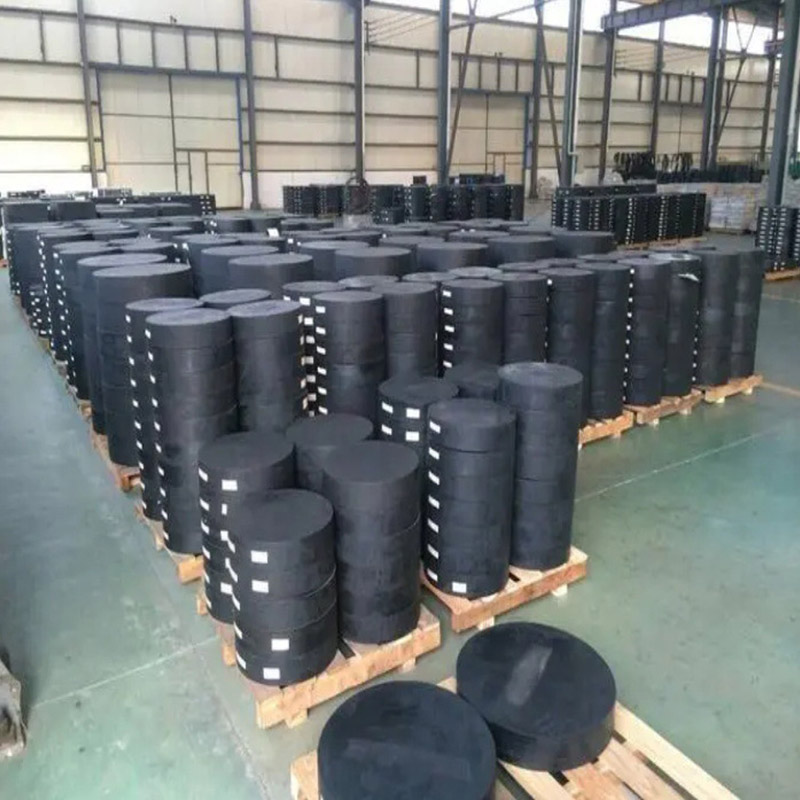 Is Your Bridge Bearing Pad Specified for the Wrong Rubber Grade? Why Elastomeric Bridge Bearing Pad Selection Decides 50-Year Deck Life
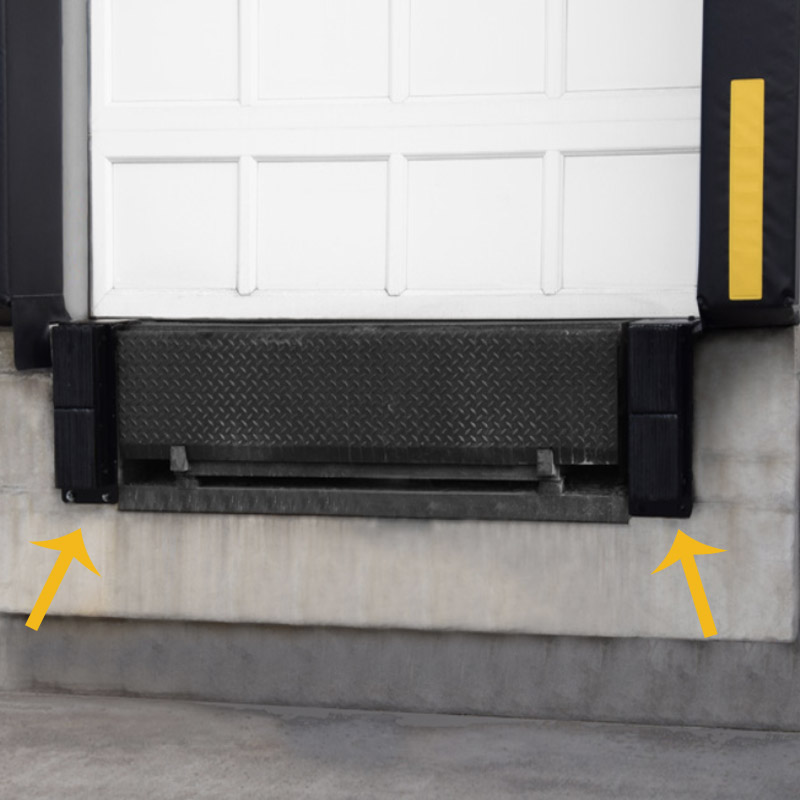 Can a Loading Dock Bumper Survive -30°C Winters and +50°C Summers? Here Is the Extreme-Weather Data