
In the vast realm of industrial and everyday applications, the concept of a rubber pneumatic bag might not immediately spring to mind as a cornerstone technology. Yet, these unassuming devices play a crucial role in a multitude of sectors, from transportation and logistics to construction and emergency response. To fully grasp the significance and versatility of rubber pneumatic bags, it's essential to delve into their design, functionality, and the myriad ways they contribute to modern operations.
At its core, a rubber pneumatic bag is a flexible, inflatable structure crafted from durable rubber or rubber-like materials. These bags are engineered to withstand significant pressure changes and environmental conditions, making them indispensable in scenarios where adaptability, strength, and portability are paramount. The term "pneumatic" derives from the Greek word "pneuma," meaning breath or wind, aptly describing the bag's reliance on air or gas pressure for its operational capabilities.
The Anatomy of a Rubber Pneumatic Bag
A typical rubber pneumatic bag comprises several key components, each meticulously designed to ensure optimal performance and longevity. The outer layer, often referred to as the shell, is made from high-strength, abrasion-resistant rubber compounds. This layer must be both elastic enough to expand and contract without rupturing and tough enough to resist punctures, tears, and the detrimental effects of exposure to harsh chemicals or extreme temperatures.
Inside the shell, reinforcement layers may be incorporated to enhance the bag's structural integrity. These layers can include woven fabrics or high-tensile-strength fibers, such as nylon or polyester, which provide additional support and prevent over-stretching. The choice of reinforcement materials and their configuration depends largely on the intended application and the specific pressures the bag will encounter.
An integral part of any pneumatic bag system is the valve. This component controls the influx and outflow of air or gas, enabling the bag to be inflated or deflated as required. Valves are precision-engineered to maintain a tight seal, preventing leaks and ensuring that the bag remains pressurized for extended periods. Some advanced valves are equipped with safety features, such as pressure relief mechanisms, to guard against over-inflation and potential ruptures.
How Do Rubber Pneumatic Bags Work?
The operational principle of a rubber pneumatic bag is relatively straightforward yet ingenious. When air or gas is pumped into the bag through the valve, the pressure inside increases, causing the bag to expand. This expansion can exert considerable force, making the bag useful for lifting, supporting, or securing loads. Conversely, when the pressure is released, the bag deflates and contracts, returning to its original, compact state.
The versatility of rubber pneumatic bags lies in their ability to adapt to various shapes and sizes, depending on the application. They can be customized in terms of length, diameter, and wall thickness to suit specific requirements. Furthermore, their flexibility allows them to conform to irregular surfaces, providing a snug fit and even distribution of pressure.
Applications Across Industries
The utility of rubber pneumatic bags spans numerous industries, each leveraging their unique properties to enhance efficiency, safety, and cost-effectiveness.
Transportation and Logistics:
In the logistics sector, rubber pneumatic bags are extensively used as load restraints. They can secure cargo within trailers, containers, and railway cars, preventing shifting and damage during transit. By inflating the bags to fill the gaps between loads, they provide a stable, cushioned support system that absorbs shocks and vibrations.
Construction:
On construction sites, pneumatic bags serve multiple purposes. They can be employed as temporary supports for structures, such as bridges or buildings, during renovation or repair work. By inflating the bags beneath a load, workers can safely lift and stabilize heavy components without the need for cranes or scaffolding. Additionally, these bags are used to form voids or create space for pouring concrete, enabling the construction of complex shapes and structures.
Emergency Response:
In emergency situations, rubber pneumatic bags are invaluable for rapid deployment and stabilization. They can be used to shore up collapsing structures, such as buildings damaged by earthquakes or explosions, providing temporary support until permanent repairs can be made. Their lightweight and portability make them ideal for quick response teams that need to act swiftly in hazardous environments.
Marine and Offshore:
In the marine industry, pneumatic bags are utilized for buoyancy and flotation applications. They can be inflated to provide additional lift for vessels or to support underwater structures during installation or maintenance. Their resistance to saltwater and corrosion makes them well-suited for offshore operations, where reliability and durability are critical.
Agriculture:
Agricultural machinery often incorporates rubber pneumatic bags for cushioning and shock absorption. They can be found in seats, suspension systems, and harvesting equipment, enhancing operator comfort and reducing the risk of damage to crops and machinery.
Environmental Considerations
As with any industrial product, the environmental impact of rubber pneumatic bags must be carefully considered. Manufacturers are increasingly adopting sustainable practices, such as using recyclable materials and minimizing waste during production. Furthermore, the long lifespan and reusability of these bags contribute to their environmental efficiency, reducing the need for frequent replacements and associated disposal issues.
Innovations and Future Trends
The field of rubber pneumatic bags is continuously evolving, driven by advancements in materials science, manufacturing techniques, and electronics. Innovations in valve design, for example, have led to the development of smart valves that can monitor pressure levels and adjust inflation or deflation automatically. These intelligent systems enhance safety and efficiency, reducing the need for manual intervention and minimizing the risk of human error.
Researchers are also exploring new materials that offer improved strength, flexibility, and resistance to extreme conditions. The integration of sensors and communication technologies into pneumatic bag systems promises to revolutionize their monitoring and control, enabling real-time data collection and remote management.
In conclusion, the rubber pneumatic bag is a versatile, robust, and indispensable tool in numerous industries. Its ability to adapt to various shapes and sizes, combined with its strength and portability, makes it an invaluable asset in transportation, construction, emergency response, and beyond. As technology continues to advance, we can expect to see even more innovative applications and improvements in the design and functionality of these remarkable devices. Whether lifting heavy loads, securing cargo, or stabilizing structures in distress, the rubber pneumatic bag stands as a testament to human ingenuity and the power of pneumatic principles in solving real-world challenges.
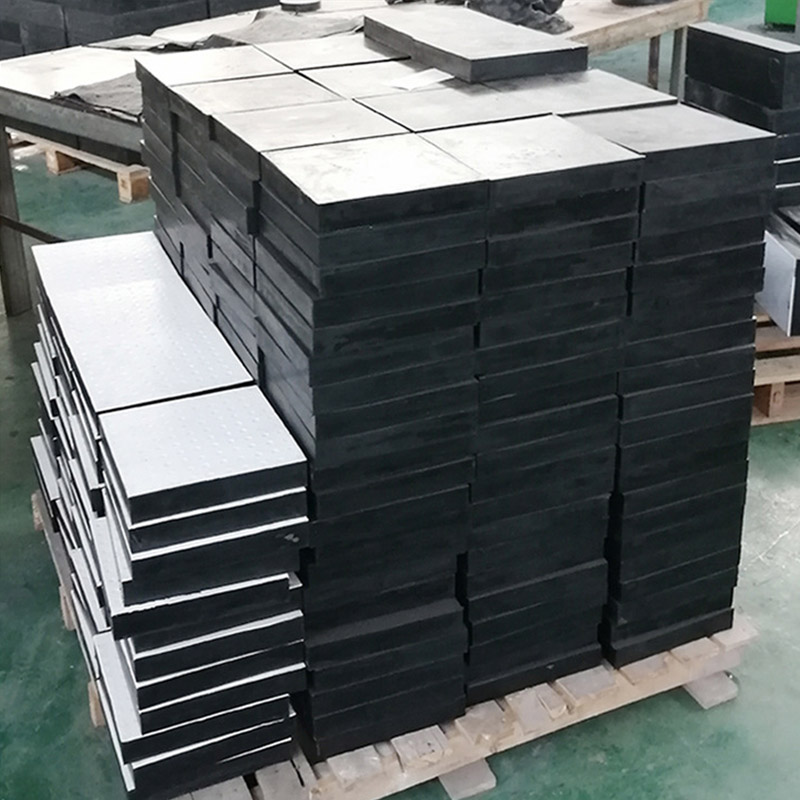 Why Do Some Bridge Bearing Pads Fail in Five Years While Others Last Fifty? A Root-Cause Analysis
 How Much Load Can a Bridge Bearing Pad Actually Carry? Engineering Data for Safe Girder Support
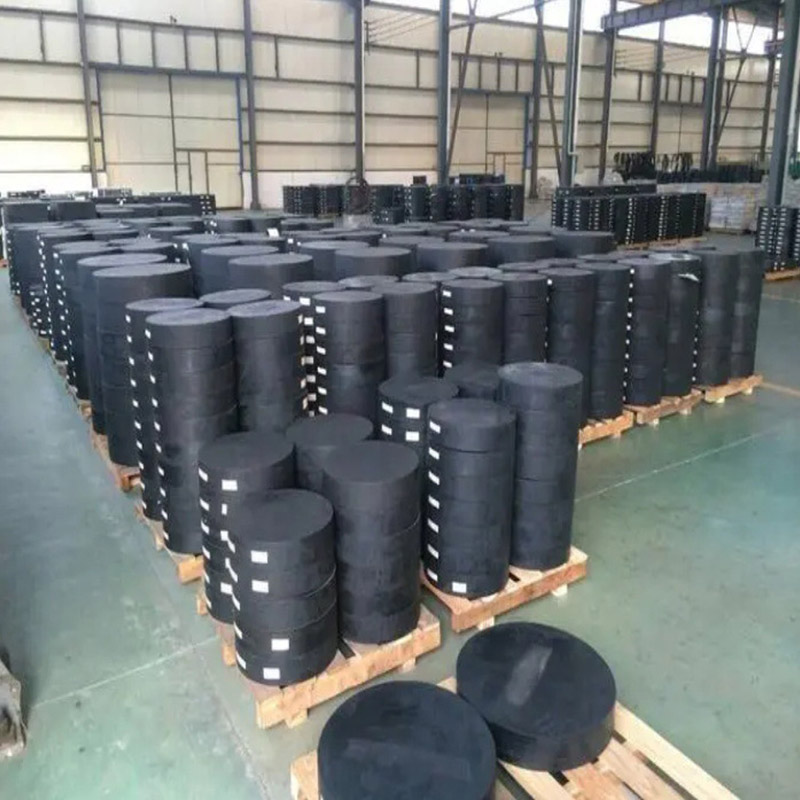 Is Your Bridge Bearing Pad Specified for the Wrong Rubber Grade? Why Elastomeric Bridge Bearing Pad Selection Decides 50-Year Deck Life
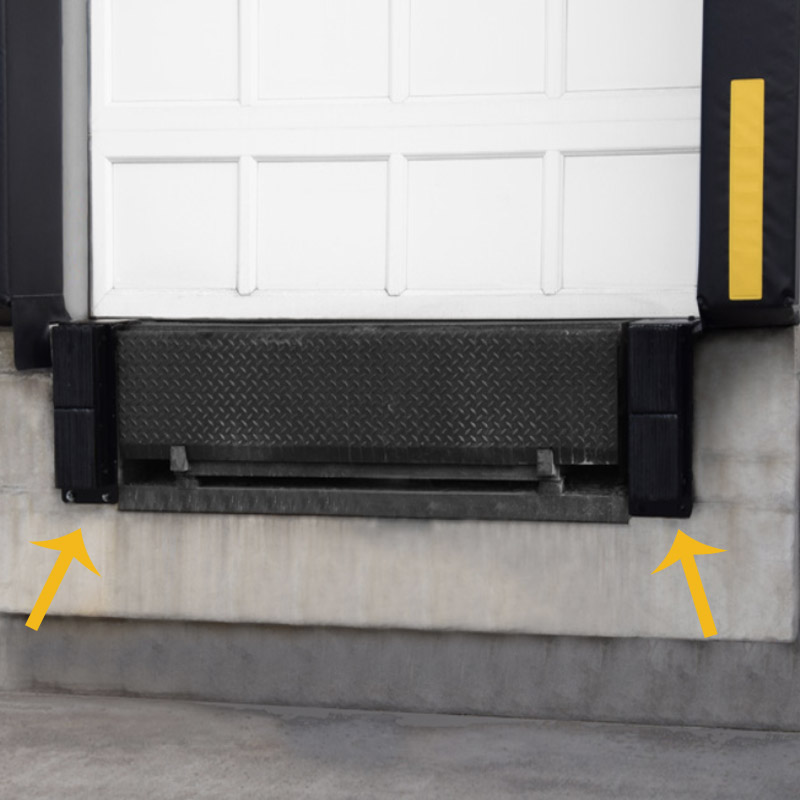 Can a Loading Dock Bumper Survive -30°C Winters and +50°C Summers? Here Is the Extreme-Weather Data