
Pneumatic bags, often constructed from robust materials like rubber, are integral components in various industries, ranging from aviation and automotive to logistics and packaging. These bags, also known as air bags or inflatable bladders, serve multiple purposes such as cushioning, lifting, and providing support. Due to their frequent use and exposure to harsh conditions, they may eventually develop leaks, tears, or punctures, leading to questions about their repairability. The answer to whether a rubber pneumatic bag can be repaired is multifaceted and depends on several factors, including the extent of the damage, the type of rubber used, and the specific application of the bag.
Understanding the Composition of Rubber Pneumatic Bags
Rubber pneumatic bags are typically made from synthetic or natural rubber compounds, each with unique properties tailored to the bag's intended use. Synthetic rubbers, such as neoprene, nitrile, and urethane, offer excellent resistance to oils, chemicals, and abrasion, making them suitable for industrial applications. Natural rubber, on the other hand, provides high elasticity and tear strength, ideal for applications requiring frequent stretching and contraction.
The construction of these bags often involves multiple layers of rubber, reinforced with fabric or cord to enhance their strength and durability. The choice of materials and design significantly impacts the bag's performance and its susceptibility to damage. Understanding the composition is crucial when considering repairs, as different materials may require specific repair techniques and materials.
Assessing the Damage
The first step in determining whether a rubber pneumatic bag can be repaired is to assess the extent of the damage. Minor issues, such as small punctures or surface cuts, are generally more straightforward to repair than significant tears or structural damage. It's essential to inspect the bag thoroughly, both externally and internally, to identify all potential damage points.
In some cases, the damage may be localized and easily accessible, allowing for a straightforward repair process. However, if the damage extends to reinforced areas or affects the bag's structural integrity, the repair may be more complex and potentially uneconomical.
Repair Techniques
Several repair techniques can be employed to fix damaged rubber pneumatic bags, depending on the nature and severity of the damage. Some common methods include:
Patching: This involves applying a patch over the damaged area. Patches can be made from similar rubber materials or specialized repair kits designed for pneumatic applications. The key to successful patching is ensuring the patch adheres securely to the bag's surface, often requiring the use of adhesives or vulcanization processes.
Stitching: For tears or cuts that are not too deep, stitching can be an effective repair method. Specialized threads and needles designed for rubber materials are used to close the wound. Stitching requires precision to avoid further damaging the bag or compromising its structural integrity.
Bonding: Certain types of rubber can be bonded together using specialized adhesives. This method is particularly useful for small punctures or delaminations where a patch or stitching may not be feasible. The success of bonding depends on the adhesive's compatibility with the rubber material and the preparation of the bonding surfaces.
Vulcanization: This is a more advanced repair technique that involves heating the rubber and a repair patch or material to a high temperature, causing them to bond at a molecular level. Vulcanization provides a strong, permanent repair but requires specialized equipment and expertise.
Factors Affecting Repairability
Several factors can influence the repairability of a rubber pneumatic bag:
Location of Damage: Damage to critical areas, such as seams, reinforced sections, or high-stress points, may be more difficult to repair effectively.
Type of Rubber: The specific rubber compound used can affect the repair process. Some rubbers may be more compatible with certain adhesives or repair techniques than others.
Age and Condition: Older bags or those in poor overall condition may be less amenable to repair due to material degradation or widespread damage.
Safety Considerations: In applications where safety is paramount, such as aerospace or automotive, the repair must meet strict standards and may require certification by a qualified technician.
Economic Considerations
The cost-effectiveness of repairing a rubber pneumatic bag versus replacing it is another critical consideration. Minor repairs may be economically viable, especially if the bag is relatively new or expensive. However, extensive damage or repairs that compromise the bag's performance or safety may make replacement the more prudent choice.
Preventive Measures
To minimize the need for repairs, it's essential to implement preventive measures. Regular inspections can help identify potential issues early, allowing for prompt repairs before they escalate. Proper handling, storage, and usage can also extend the lifespan of rubber pneumatic bags. Additionally, using bags designed for specific applications and environments can reduce the risk of damage.
In conclusion, a rubber pneumatic bag can indeed be repaired, provided the damage is not extensive and the repair method is appropriate for the type and location of the damage. The success of the repair depends on several factors, including the materials used, the repair technique employed, and the overall condition of the bag. Economic considerations and safety standards also play a significant role in the decision-making process.
When faced with a damaged rubber pneumatic bag, it's advisable to consult with a professional who specializes in pneumatic system repairs. They can assess the damage, recommend the most suitable repair method, and ensure the repair meets all necessary safety and performance standards. By taking proactive measures to maintain and repair these bags, industries can extend their lifespan, reduce replacement costs, and minimize downtime, ultimately contributing to greater operational efficiency and sustainability.
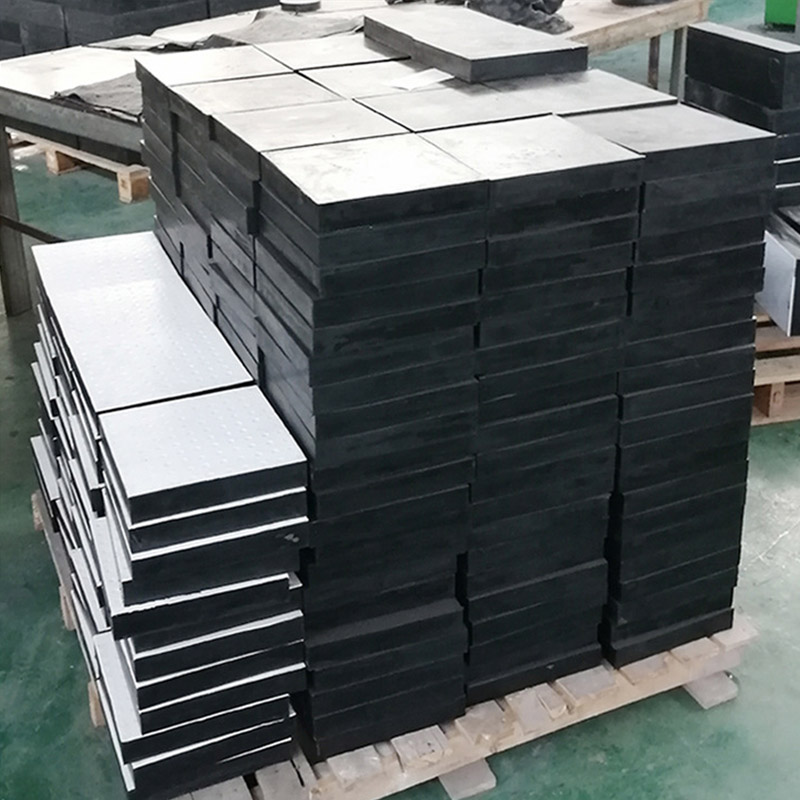 Why Do Some Bridge Bearing Pads Fail in Five Years While Others Last Fifty? A Root-Cause Analysis
 How Much Load Can a Bridge Bearing Pad Actually Carry? Engineering Data for Safe Girder Support
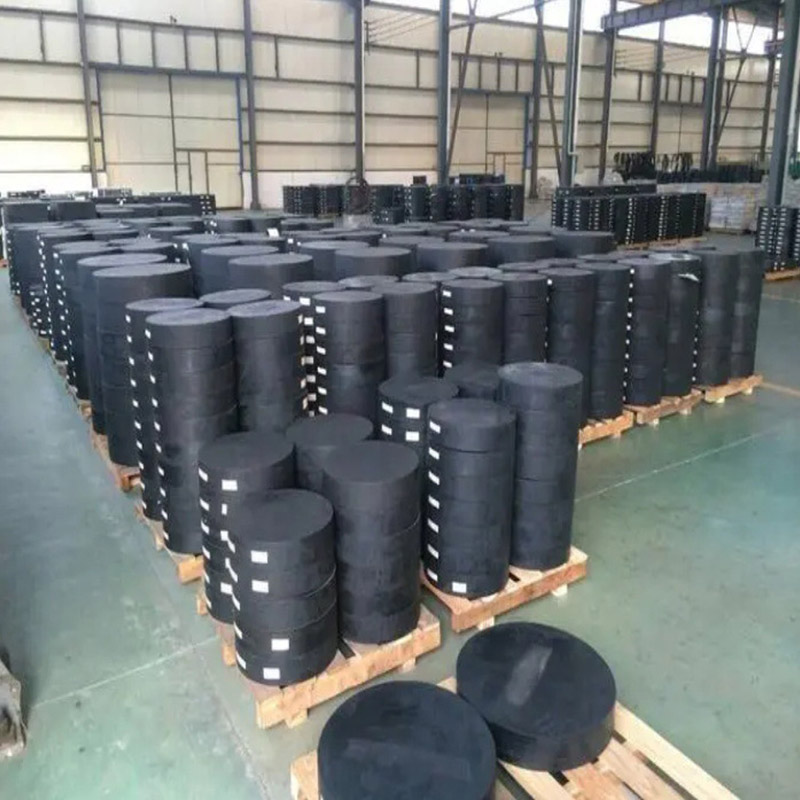 Is Your Bridge Bearing Pad Specified for the Wrong Rubber Grade? Why Elastomeric Bridge Bearing Pad Selection Decides 50-Year Deck Life
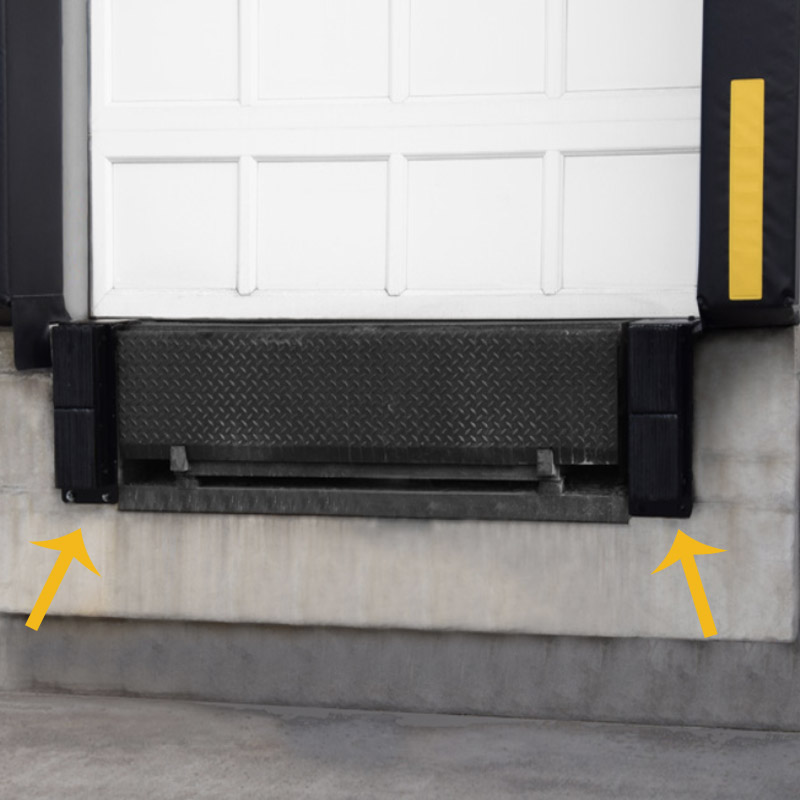 Can a Loading Dock Bumper Survive -30°C Winters and +50°C Summers? Here Is the Extreme-Weather Data