
In the realm of industrial and engineering applications, rubber pneumatic bags, also known as inflatable bladders or air bags, serve a multitude of purposes. From providing cushioning and support in heavy-lifting operations to acting as actuators in various mechanical systems, these versatile devices have become indispensable in numerous industries. However, determining the cost of a rubber pneumatic bag is not a straightforward task, as it is influenced by a myriad of factors that span across design, material composition, manufacturing process, and intended use. This article delves into the intricacies of pricing a rubber pneumatic bag, aiming to shed light on the key cost drivers and the considerations one must make when procuring such equipment.
Material Composition: The Foundation of Cost
The material from which a rubber pneumatic bag is constructed is arguably the most significant determinant of its cost. Rubber, in its broadest sense, encompasses a wide range of elastomers, each with unique properties tailored to specific applications. Natural rubber, for instance, offers excellent elasticity and resilience but may be susceptible to environmental degradation over time. Synthetic rubbers, such as neoprene, nitrile, or EPDM (ethylene propylene diene monomer), provide enhanced resistance to oils, chemicals, and temperature extremes, albeit often at a higher cost due to their specialized formulations.
The choice of material not only affects the bag's performance characteristics but also its durability and lifespan. A bag made from high-quality, premium-grade rubber will invariably carry a higher price tag but is likely to outlast a cheaper alternative, ultimately reducing long-term maintenance and replacement costs. Manufacturers often balance the need for durability against cost constraints, leading to a variety of rubber blends that offer a compromise between performance and price.
Design Complexity: A Double-Edged Sword
The design of a rubber pneumatic bag is another crucial factor influencing its cost. Simple, single-chamber bags used for basic lifting or cushioning tasks are relatively inexpensive to produce. They typically feature straightforward construction with minimal seams and fewer design elements, which streamlines the manufacturing process and reduces labor costs.
Conversely, complex designs that incorporate multiple chambers, reinforced walls, or integrated fittings for attachment and control systems can significantly drive up the cost. These features require precision engineering, additional materials, and more intricate manufacturing techniques, all of which contribute to a higher price point. The benefits of such designs, however, include improved functionality, better load distribution, and enhanced safety, making them indispensable in applications where precision and reliability are paramount.
Manufacturing Process: Quality Comes at a Price
The manufacturing process of a rubber pneumatic bag also plays a pivotal role in determining its cost. High-quality bags are often produced using advanced molding and vulcanization techniques that ensure consistent material thickness, strong seam integrity, and overall durability. These processes require sophisticated equipment, skilled labor, and rigorous quality control measures, all of which add to the production costs.
In contrast, low-cost manufacturers may opt for less precise methods, such as hand-layering or less controlled vulcanization processes, which can result in bags with inconsistent material properties and shorter lifespans. While these bags may be cheaper initially, their reduced durability and potential for failure can lead to higher long-term costs due to frequent replacements and downtime.
Size and Capacity: Bigger Isn't Always Better
The size and capacity of a rubber pneumatic bag are direct correlates of its cost. Larger bags require more material, longer production times, and additional handling and shipping costs, all of which contribute to a higher price. Similarly, bags designed to withstand higher pressures or carry heavier loads must be constructed with thicker, more robust materials, further increasing their cost.
However, it's important to note that the cost-effectiveness of a bag is not solely determined by its size or capacity. A larger bag may offer economies of scale in terms of material usage per unit area but could be overkill for a particular application, leading to unnecessary expenditure. Conversely, a smaller, specialized bag may be more expensive on a per-unit basis but perfectly suited for a specific task, making it a more cost-effective choice in the long run.
Intended Use: Application-Specific Costs
The intended use of a rubber pneumatic bag is a final, yet equally important, consideration when assessing its cost. Bags designed for industrial applications, such as lifting heavy machinery or stabilizing structures during construction, must meet stringent safety standards and often require custom features that drive up their cost. Similarly, bags used in medical or aerospace applications may need to adhere to even more rigorous specifications, further increasing their price.
On the other hand, bags intended for less demanding applications, such as packaging or temporary cushioning, can be produced more economically. These bags may not require the same level of durability or precision as their industrial counterparts, allowing manufacturers to use less expensive materials and simpler designs.
In conclusion, the cost of a rubber pneumatic bag is a complex interplay of material composition, design complexity, manufacturing process, size and capacity, and intended use. Each of these factors contributes to the overall price, often requiring a delicate balance between performance, durability, and cost-effectiveness.
When procuring a rubber pneumatic bag, it's essential to consider not just the initial purchase price but also the long-term costs associated with maintenance, repairs, and replacements. Investing in a high-quality bag may incur a higher upfront cost but can result in significant savings over time due to its extended lifespan and reduced need for replacements.
Ultimately, the cost of a rubber pneumatic bag is a reflection of its value in a given application. By carefully evaluating the specific requirements of your project and weighing the various cost drivers, you can make an informed decision that balances performance, durability, and cost, ensuring that you get the best possible return on your investment.
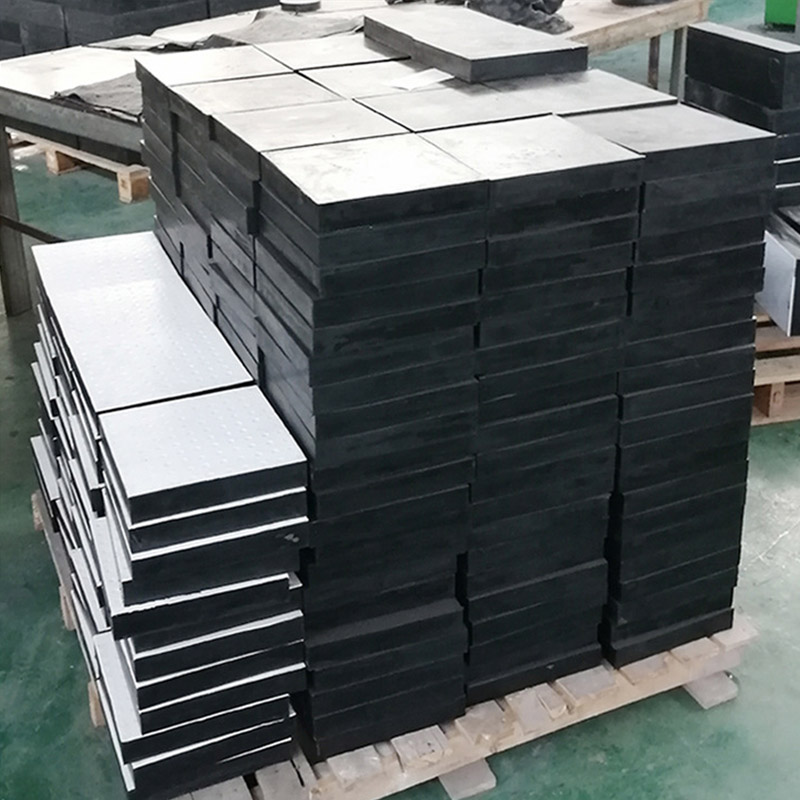 Why Do Some Bridge Bearing Pads Fail in Five Years While Others Last Fifty? A Root-Cause Analysis
 How Much Load Can a Bridge Bearing Pad Actually Carry? Engineering Data for Safe Girder Support
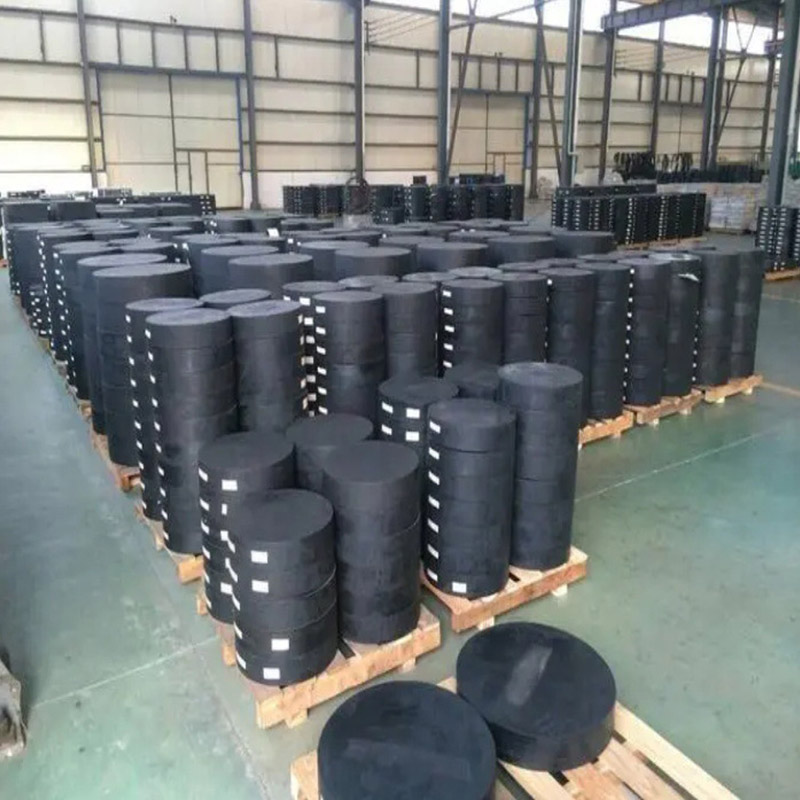 Is Your Bridge Bearing Pad Specified for the Wrong Rubber Grade? Why Elastomeric Bridge Bearing Pad Selection Decides 50-Year Deck Life
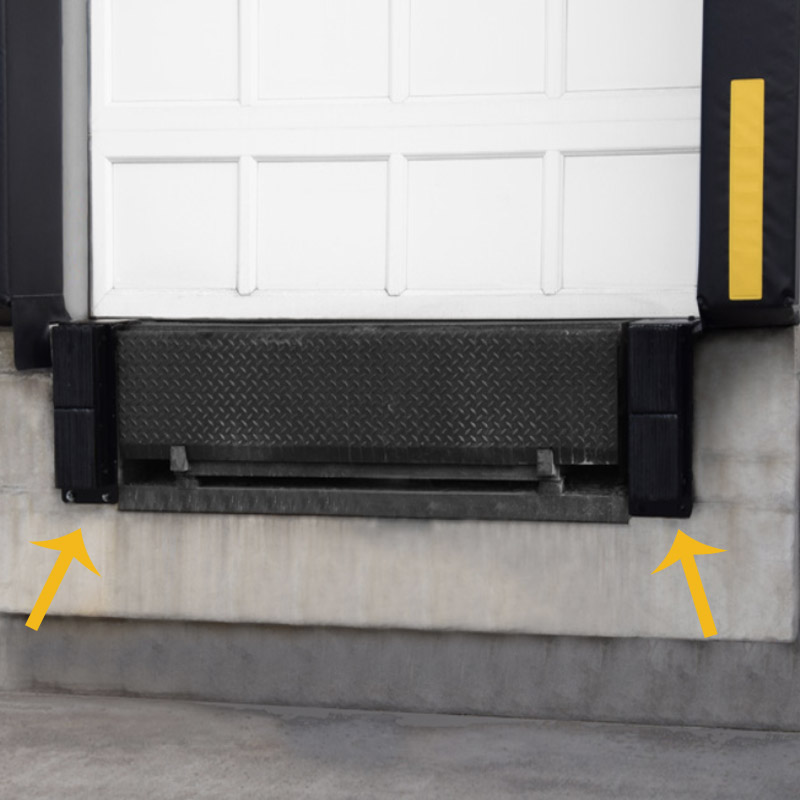 Can a Loading Dock Bumper Survive -30°C Winters and +50°C Summers? Here Is the Extreme-Weather Data