
Rubber pneumatic bags, often used in various industrial, construction, and transportation applications for tasks such as lifting, securing, and cushioning heavy loads, are essential tools that require proper storage to maintain their functionality and longevity. Whether you're dealing with inflatable lifting bags, air cushions, or any other type of pneumatic bag, the way you store them can significantly impact their performance and lifespan. Improper storage can lead to material degradation, punctures, or even complete failure when in use. To ensure your rubber pneumatic bags remain in optimal condition, here are some comprehensive guidelines on how to store them effectively.
1. Clean and Dry Before Storage
Before you even think about storing your rubber pneumatic bags, it's crucial to clean and dry them thoroughly. Dirt, moisture, and other contaminants can accelerate the deterioration of the rubber material. Use a mild detergent and water to clean the surface, ensuring all crevices and seams are free of debris. Rinse well and allow the bags to air dry completely. Avoid using harsh chemicals or abrasives that could damage the rubber.
2. Inspect for Damage
Once clean and dry, carefully inspect each bag for any signs of damage. Look for cuts, punctures, abrasions, or any weaknesses in the material. Pay special attention to the seams and valve areas, as these are common points of failure. If you find any damage, repair it immediately using appropriate patching kits or consult the manufacturer for recommended repair procedures. Storing a damaged bag can worsen the issue and render it unusable when you need it most.
3. Avoid Extreme Temperatures
Temperature control is vital when storing rubber pneumatic bags. Exposure to extreme heat can cause the rubber to soften, deform, or even melt, while extremely cold temperatures can make the material brittle and more prone to cracking. Store your bags in a temperature-controlled environment, ideally between 50°F and 80°F (10°C and 27°C), to ensure they retain their elasticity and structural integrity.
4. Protect from UV Light
Ultraviolet (UV) light from the sun can have a detrimental effect on rubber materials, causing them to fade, crack, and lose their strength over time. When storing your pneumatic bags, choose a location away from direct sunlight or other sources of UV radiation. If you must store them in an area where they might be exposed to light, consider using opaque coverings or storing them in a closet or container that blocks UV rays.
5. Keep Away from Sharp Objects
Rubber pneumatic bags are susceptible to punctures and cuts, so it's essential to store them in a place free from sharp objects. This includes tools, metal edges, and any other items that could potentially pierce the rubber. Use padding or protective covers if necessary to create a barrier between the bags and potential hazards.
6. Proper Folding and Rolling
When not in use, rubber pneumatic bags should be folded or rolled carefully to avoid creating creases or folds that could weaken the material over time. If folding, ensure the folds are gentle and not too tight. If rolling, do so from one end to the other, keeping the roll as loose as possible to prevent stress on the rubber. Avoid twisting or kinking the bags, as this can cause permanent deformation.
7. Use Dust Covers or Storage Bags
To further protect your pneumatic bags from dust, dirt, and other contaminants, consider using dust covers or dedicated storage bags. These covers should be made from a breathable material to prevent moisture buildup while still providing adequate protection. Ensure the covers are clean and free from any sharp edges or zippers that could damage the bags.
8. Store in a Dry Environment
Moisture is the enemy of rubber pneumatic bags. High humidity or damp environments can promote the growth of mold and mildew, which can degrade the rubber and weaken its structure. Store your bags in a dry, well-ventilated area to minimize exposure to moisture. If you live in a particularly humid climate, consider using desiccants or moisture absorbers in the storage area to keep the environment as dry as possible.
9. Avoid Compression
While it may be tempting to stack heavy items on top of your pneumatic bags to save space, this can cause the rubber to compress and lose its shape. Over time, compressed rubber may not return to its original form, affecting the bag's performance. Store your bags in a way that avoids placing any weight on them, either by hanging them or laying them flat in a designated storage area.
10. Regular Inspection and Maintenance
Even when stored properly, rubber pneumatic bags should be inspected regularly to ensure they remain in good condition. Check for any signs of damage, wear, or degradation, and address any issues promptly. Additionally, periodically inflate and deflate the bags to keep the rubber supple and to check for any leaks or valve problems.
11. Label and Organize
To make it easier to find and retrieve the right bag when you need it, label each one clearly with its size, capacity, and any other relevant information. Organize your bags in a logical manner, such as by size or type, to streamline the storage and retrieval process. This will not only save you time but also reduce the risk of damage caused by handling and searching through multiple bags.
Proper storage of rubber pneumatic bags is essential to maintain their effectiveness and extend their lifespan. By following these guidelines—cleaning and drying, inspecting for damage, controlling temperature and light exposure, protecting from sharp objects, folding and rolling carefully, using dust covers, storing in a dry environment, avoiding compression, regular inspection and maintenance, and labeling and organizing—you can ensure your pneumatic bags are ready for use whenever you need them. Taking the time to store your bags correctly will not only save you money in the long run by reducing the need for replacements but also enhance safety and efficiency in your operations.
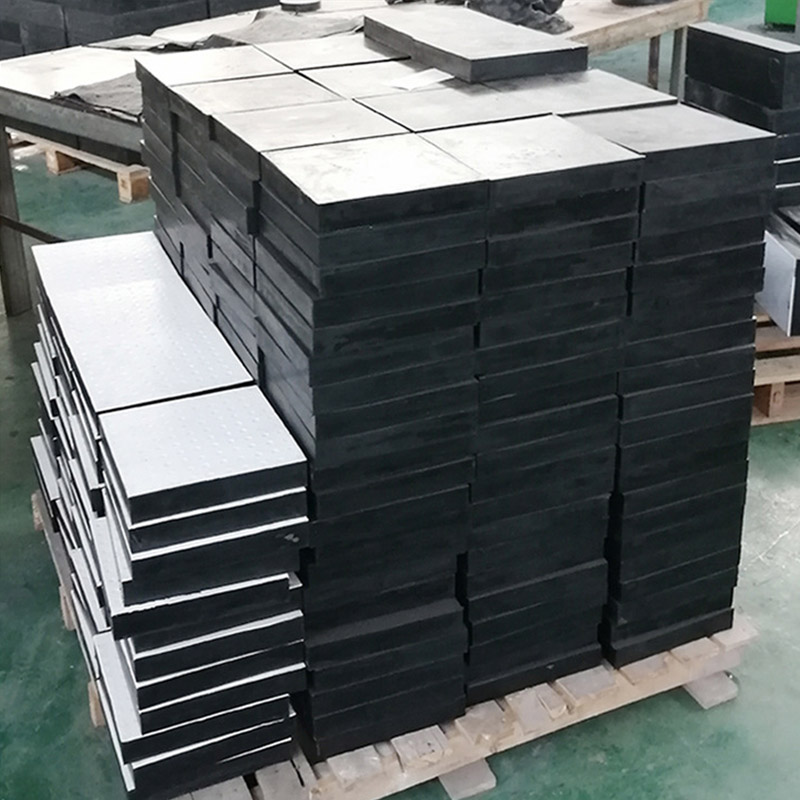 Why Do Some Bridge Bearing Pads Fail in Five Years While Others Last Fifty? A Root-Cause Analysis
 How Much Load Can a Bridge Bearing Pad Actually Carry? Engineering Data for Safe Girder Support
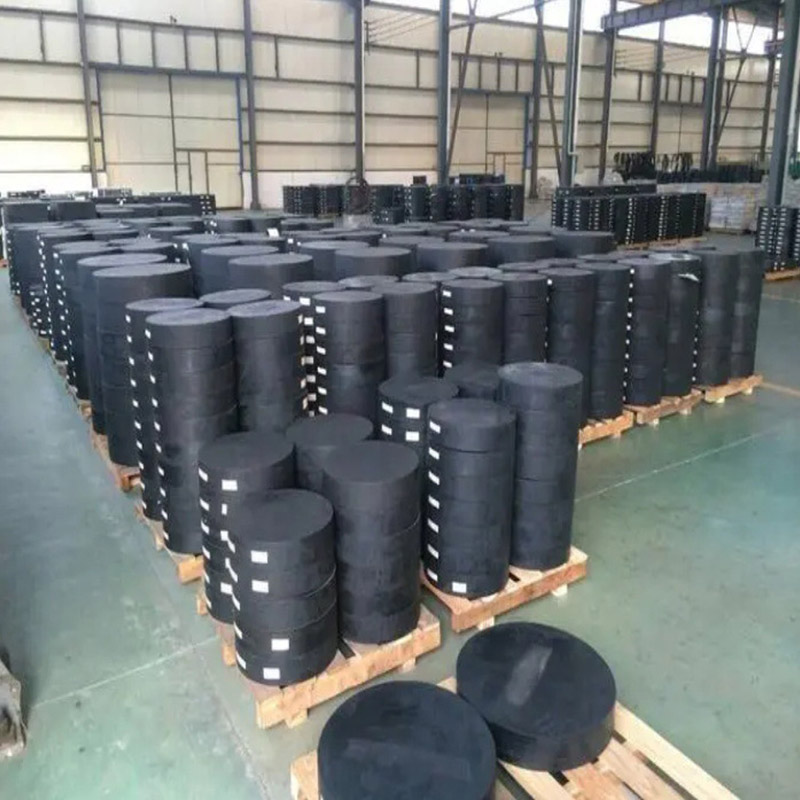 Is Your Bridge Bearing Pad Specified for the Wrong Rubber Grade? Why Elastomeric Bridge Bearing Pad Selection Decides 50-Year Deck Life
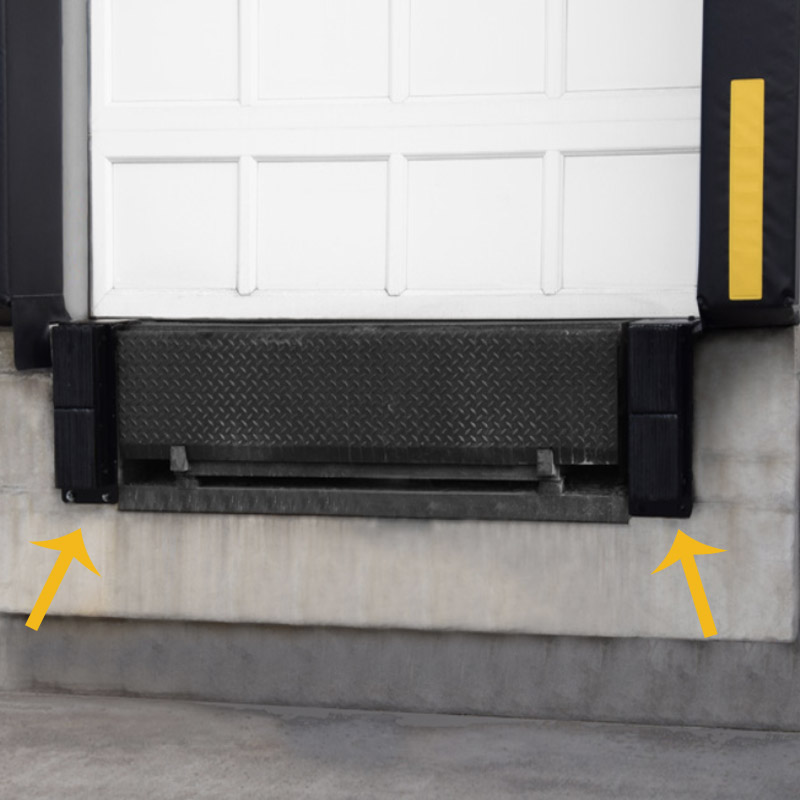 Can a Loading Dock Bumper Survive -30°C Winters and +50°C Summers? Here Is the Extreme-Weather Data