
Rubber pneumatic bags, also known as inflatable bladders or airbags, are versatile tools used in various industries for applications ranging from lifting and clamping to forming and pressing. Their flexibility, durability, and ability to conform to irregular shapes make them indispensable in many mechanical and industrial processes. However, selecting the appropriate pressure rating for a rubber pneumatic bag is crucial to ensure safety, efficiency, and longevity of the equipment. This article delves into the factors that influence the selection of pressure ratings for rubber pneumatic bags, providing a comprehensive guide to help you make an informed decision.
Understanding Pressure Ratings
Pressure rating refers to the maximum pressure that a rubber pneumatic bag can safely withstand without risk of rupture or failure. It is typically expressed in units of pressure, such as pounds per square inch (psi) or bars. The pressure rating is a critical specification because operating the bag at pressures exceeding its rating can lead to catastrophic failures, posing risks to personnel and equipment.
Factors Influencing Pressure Rating Selection
Several factors must be considered when selecting the pressure rating for a rubber pneumatic bag. These factors include the intended application, material properties, environmental conditions, and safety margins.
1. Intended Application
The primary consideration when choosing a pressure rating is the specific application for which the pneumatic bag will be used. Different applications require varying levels of pressure to achieve the desired outcome. For instance:
Lifting and Clamping: Applications involving heavy loads may require higher pressures to generate sufficient lifting force or clamping pressure.
Forming and Pressing: Processes that involve shaping or pressing materials may demand precise control over pressure to achieve the desired form and finish.
Understanding the specific requirements of your application is essential to selecting a pneumatic bag with an appropriate pressure rating.
2. Material Properties
The material from which the rubber pneumatic bag is constructed plays a significant role in determining its pressure rating. Different materials have varying strengths, elasticities, and resistance to pressure. Common materials used in the construction of pneumatic bags include natural rubber, synthetic rubber, and reinforced rubber composites.
Natural Rubber: Known for its elasticity and flexibility, natural rubber can withstand moderate pressures but may be susceptible to degradation over time.
Synthetic Rubber: Offers improved resistance to chemicals, oils, and temperature extremes, making it suitable for higher pressure applications.
Reinforced Rubber Composites: These materials incorporate reinforcing agents, such as fibers or fabrics, to enhance their strength and pressure-resisting capabilities.
When selecting a material, it is important to consider its compatibility with the working fluid (typically air), as well as its resistance to environmental factors that may affect its performance.
3. Environmental Conditions
The operating environment can significantly impact the pressure rating of a rubber pneumatic bag. Factors such as temperature, humidity, and exposure to chemicals or abrasives can affect the material's properties and its ability to withstand pressure.
Temperature: Extreme temperatures can cause the material to expand or contract, altering its pressure-resisting capabilities. High temperatures may weaken the material, while low temperatures can make it more brittle.
Humidity: Moisture can penetrate the material, causing it to swell or degrade, which can reduce its pressure rating.
Chemicals and Abrasives: Exposure to harsh chemicals or abrasives can damage the material, compromising its structural integrity and pressure resistance.
Assessing the environmental conditions in which the pneumatic bag will operate is crucial to selecting a material and pressure rating that can withstand these conditions.
4. Safety Margins
Incorporating safety margins into the pressure rating selection process is essential to ensure the safe operation of the pneumatic bag. A safety margin is an additional amount of pressure capacity built into the system to account for unexpected loads, pressure spikes, or material degradation over time.
Industry standards and best practices often recommend a safety margin of at least 25% above the maximum expected operating pressure. This margin provides a buffer to prevent the pneumatic bag from operating at or near its maximum pressure rating, reducing the risk of failure.
Steps to Select the Appropriate Pressure Rating
Selecting the appropriate pressure rating for a rubber pneumatic bag involves a systematic approach. Here are the steps to guide you through the process:
Define the Application Requirements: Clearly understand the specific requirements of your application, including the desired lifting or clamping force, forming or pressing pressure, and any other relevant parameters.
Evaluate Material Options: Research and evaluate the different materials available for constructing pneumatic bags. Consider their strength, elasticity, resistance to pressure, and compatibility with the working fluid and environmental conditions.
Assess Environmental Conditions: Identify and assess the environmental conditions in which the pneumatic bag will operate. Consider factors such as temperature, humidity, and exposure to chemicals or abrasives that may affect the material's properties and pressure resistance.
Determine the Maximum Operating Pressure: Based on the application requirements and material properties, determine the maximum operating pressure that the pneumatic bag will need to withstand.
Apply Safety Margins: Incorporate a safety margin of at least 25% above the maximum operating pressure to account for unexpected loads, pressure spikes, or material degradation over time.
Select the Pressure Rating: Choose a rubber pneumatic bag with a pressure rating that meets or exceeds the calculated maximum operating pressure, including the safety margin.
Consult with Manufacturers: If unsure about the selection process or the specific requirements of your application, consult with reputable manufacturers or industry experts. They can provide valuable insights and recommendations based on their experience and expertise.
Selecting the appropriate pressure rating for a rubber pneumatic bag is a critical decision that can impact the safety, efficiency, and longevity of your equipment. By considering the intended application, material properties, environmental conditions, and safety margins, you can make an informed decision that meets the specific requirements of your application. Following a systematic approach and consulting with manufacturers or industry experts can further ensure that you select a pneumatic bag with the right pressure rating for your needs. Remember, safety should always be the top priority when working with pneumatic equipment, and selecting the correct pressure rating is a fundamental aspect of ensuring a safe and successful operation.
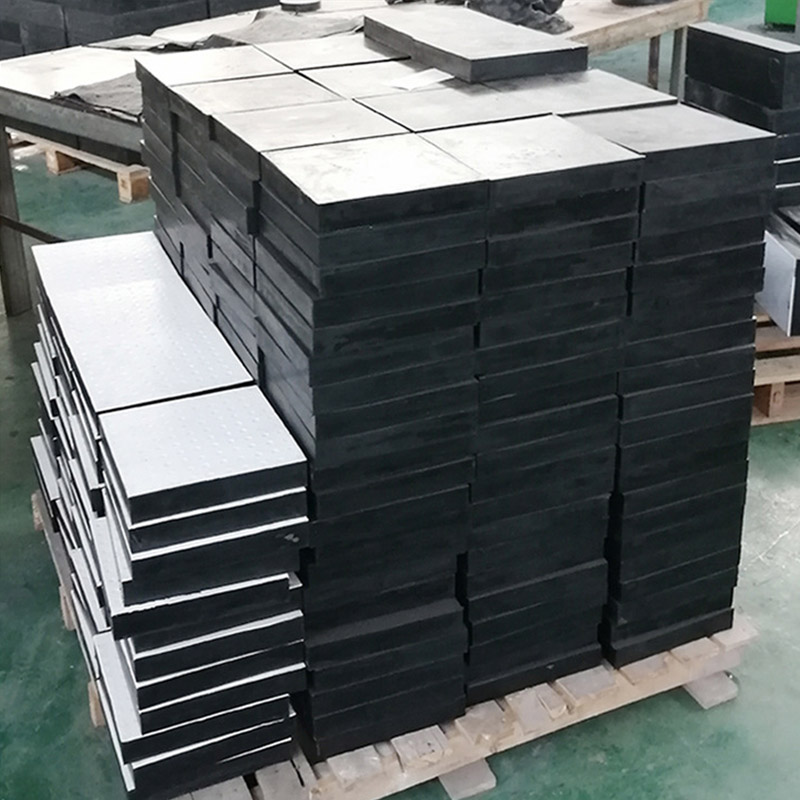 Why Do Some Bridge Bearing Pads Fail in Five Years While Others Last Fifty? A Root-Cause Analysis
 How Much Load Can a Bridge Bearing Pad Actually Carry? Engineering Data for Safe Girder Support
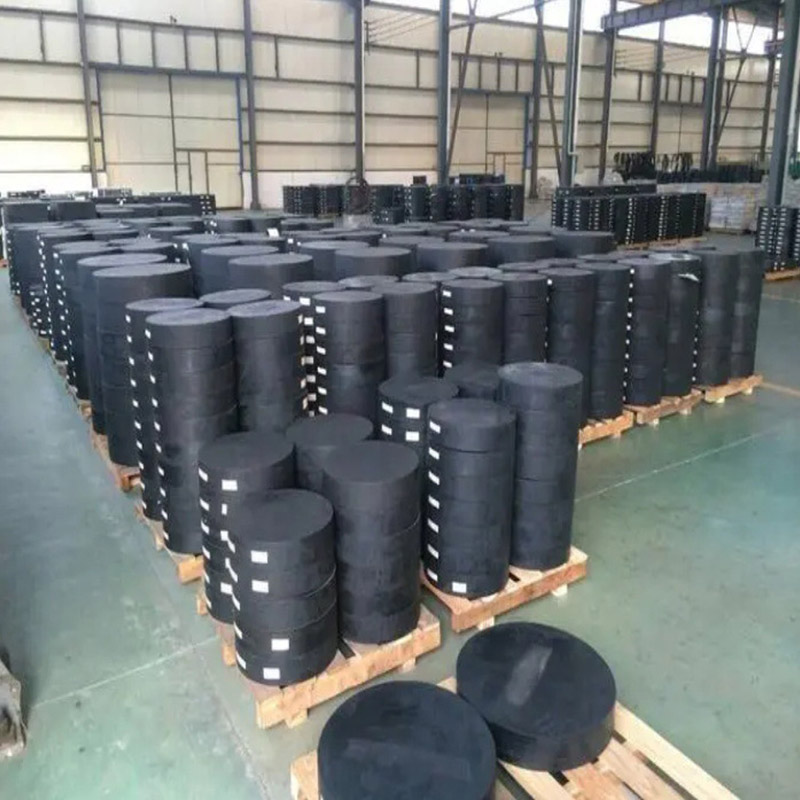 Is Your Bridge Bearing Pad Specified for the Wrong Rubber Grade? Why Elastomeric Bridge Bearing Pad Selection Decides 50-Year Deck Life
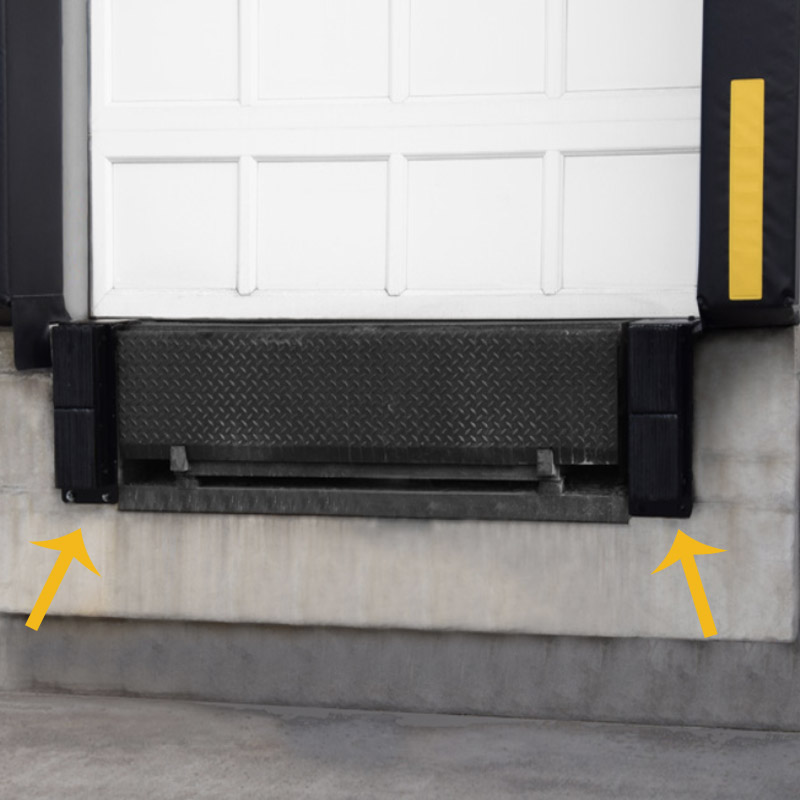 Can a Loading Dock Bumper Survive -30°C Winters and +50°C Summers? Here Is the Extreme-Weather Data