
In the realm of industrial and engineering applications, pneumatic systems play a pivotal role in automating processes, enhancing efficiency, and ensuring precision. Among the myriad components that constitute these systems, pneumatic bags, particularly those made of rubber, have emerged as a versatile and highly effective solution. This article delves into the advantages of rubber pneumatic bags over other types, exploring their unique properties, applications, and the benefits they offer in various industries.
1. Flexibility and Adaptability
One of the foremost advantages of rubber pneumatic bags is their inherent flexibility. Unlike rigid pneumatic cylinders or metal-based components, rubber bags can conform to irregular shapes and surfaces. This adaptability makes them ideal for applications where a tight fit or custom contouring is necessary. For instance, in clamping fixtures, rubber pneumatic bags can evenly distribute pressure around complex geometries, ensuring a secure and damage-free grip.
Moreover, the flexibility of rubber bags allows for easy integration into existing machinery and equipment. They can be custom-molded or tailored to fit specific spaces, reducing the need for extensive modifications or custom-built components. This adaptability not only saves time but also minimizes costs associated with retrofitting or redesigning equipment.
2. Lightweight and Compact Design
Rubber pneumatic bags are significantly lighter than their metallic counterparts. This lightweight nature facilitates easier handling, installation, and maintenance. In industries where weight is a critical factor, such as aerospace or automotive, rubber pneumatic bags offer a viable solution without compromising on performance or durability.
Furthermore, the compact design of rubber pneumatic bags enables them to be used in confined spaces where traditional pneumatic devices may not fit. This makes them particularly suitable for applications in robotics, where space optimization is crucial for maneuverability and precision.
3. Enhanced Durability and Longevity
Rubber, as a material, possesses excellent resistance to wear and tear, abrasions, and environmental factors such as moisture and chemicals. This durability ensures that rubber pneumatic bags can withstand harsh operating conditions and maintain their performance over an extended period. In contrast, metallic components may corrode or degrade when exposed to certain environments, leading to frequent replacements and increased maintenance costs.
The elasticity of rubber also allows pneumatic bags to absorb shocks and vibrations, protecting them from damage and extending their lifespan. This makes them an ideal choice for applications where the equipment is subject to constant movement or impact, such as in construction or mining industries.
4. Cost-Effectiveness
The initial cost of rubber pneumatic bags may be comparable to other types of pneumatic components. However, their long-term cost-effectiveness becomes evident when considering factors such as maintenance, replacement frequency, and energy consumption. Due to their durability and resistance to wear, rubber pneumatic bags require less frequent repairs or replacements, reducing downtime and associated costs.
Additionally, rubber pneumatic bags are often more energy-efficient than their metallic counterparts. The material's ability to expand and contract with minimal friction results in lower energy consumption during operation. This can lead to significant savings on energy bills, especially in industries with extensive pneumatic systems.
5. Versatility in Applications
Rubber pneumatic bags find applications across a wide range of industries, including automotive, aerospace, construction, manufacturing, and robotics. Their versatility stems from their ability to be customized in terms of size, shape, and pressure capacity. This makes them suitable for various tasks such as clamping, lifting, pressing, and even acting as actuators in robotic systems.
In the automotive industry, rubber pneumatic bags are used for pressing and clamping components during assembly. In aerospace, they assist in the precise positioning and alignment of parts. In construction, they are employed for lifting and supporting heavy structures. The versatility of rubber pneumatic bags allows them to be tailored to specific needs, making them a valuable asset in diverse industrial settings.
6. Improved Safety and Reliability
Safety is a paramount concern in any industrial application. Rubber pneumatic bags offer several safety advantages over other types of pneumatic components. Their flexible nature allows for a gradual and controlled release of pressure, reducing the risk of sudden impacts or injuries. This is particularly important in applications where operators may be in close proximity to the pneumatic system.
Furthermore, the reliability of rubber pneumatic bags is enhanced by their resistance to environmental factors and their ability to maintain consistent performance over time. This reliability ensures that the pneumatic system operates smoothly and efficiently, minimizing the risk of accidents or malfunctions.
7. Ease of Maintenance
Maintaining pneumatic systems can be a time-consuming and costly process. However, rubber pneumatic bags simplify this task due to their straightforward design and construction. Unlike complex metallic components, rubber bags do not require extensive lubrication, cleaning, or specialized tools for maintenance.
In the event of a puncture or tear, rubber pneumatic bags can often be repaired easily and quickly, reducing downtime and associated costs. This ease of maintenance makes them a preferred choice for industries where operational continuity is critical.
8. Environmental Benefits
Rubber is a sustainable material that can be recycled and reused, making rubber pneumatic bags an environmentally friendly option. In contrast, metallic components may require more energy-intensive recycling processes or may end up as waste if not properly disposed of.
Moreover, the long lifespan and durability of rubber pneumatic bags contribute to reduced waste generation and resource consumption. By choosing rubber pneumatic bags, industries can demonstrate their commitment to sustainability and environmental responsibility.
In conclusion, rubber pneumatic bags offer a multitude of advantages over other types of pneumatic components. Their flexibility, lightweight design, enhanced durability, cost-effectiveness, versatility in applications, improved safety and reliability, ease of maintenance, and environmental benefits make them a superior choice for various industrial and engineering applications.
As industries continue to seek innovative solutions to enhance efficiency, precision, and sustainability, rubber pneumatic bags emerge as a versatile and highly effective option. Their ability to adapt to diverse tasks and operating conditions ensures that they will remain a staple in pneumatic systems for years to come. By leveraging the unique properties of rubber, industries can optimize their pneumatic systems, reduce costs, and improve overall performance.
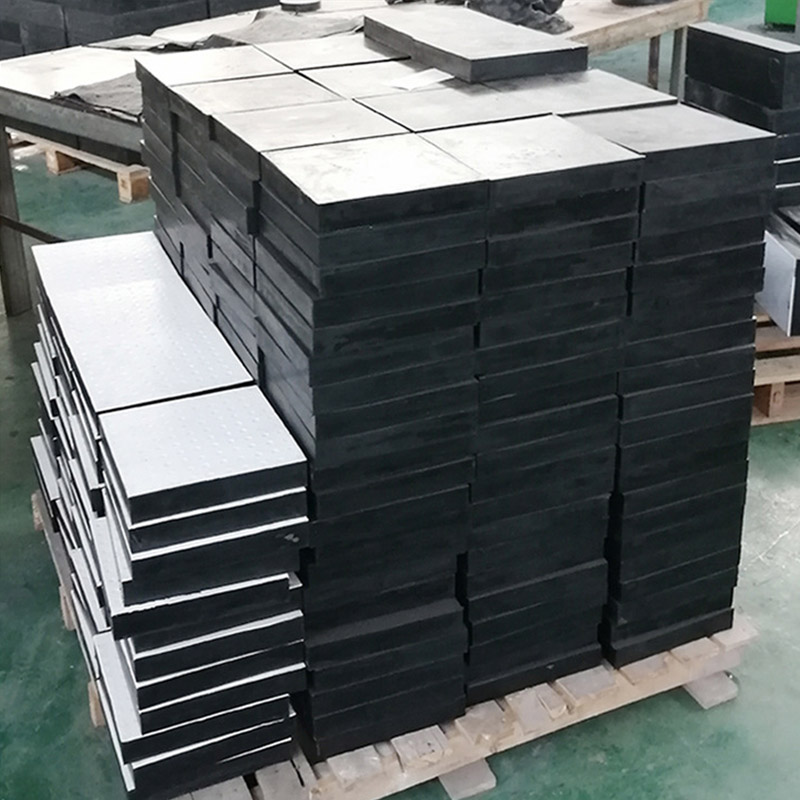 Why Do Some Bridge Bearing Pads Fail in Five Years While Others Last Fifty? A Root-Cause Analysis
 How Much Load Can a Bridge Bearing Pad Actually Carry? Engineering Data for Safe Girder Support
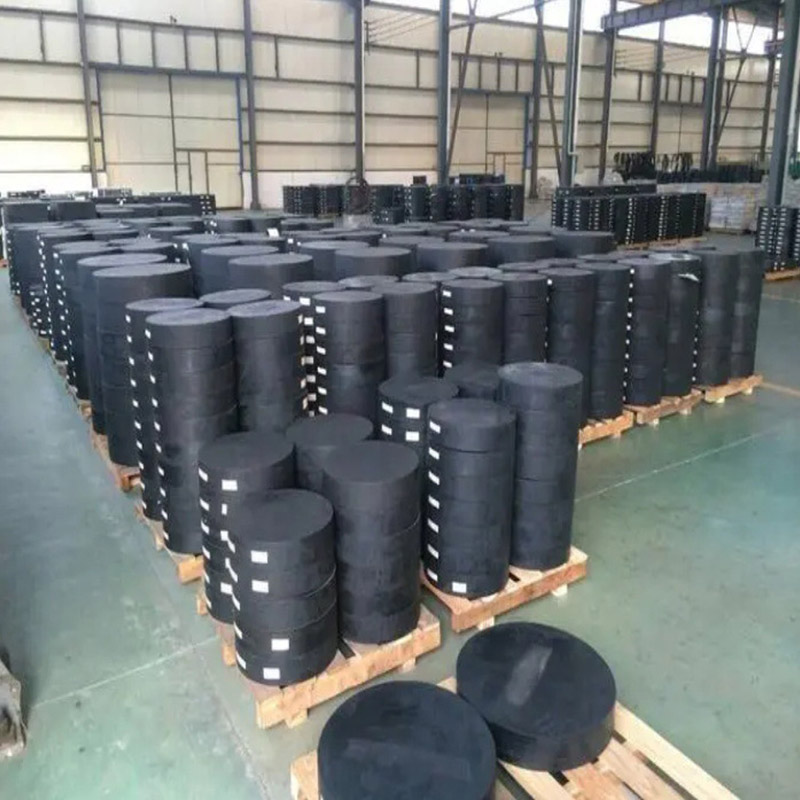 Is Your Bridge Bearing Pad Specified for the Wrong Rubber Grade? Why Elastomeric Bridge Bearing Pad Selection Decides 50-Year Deck Life
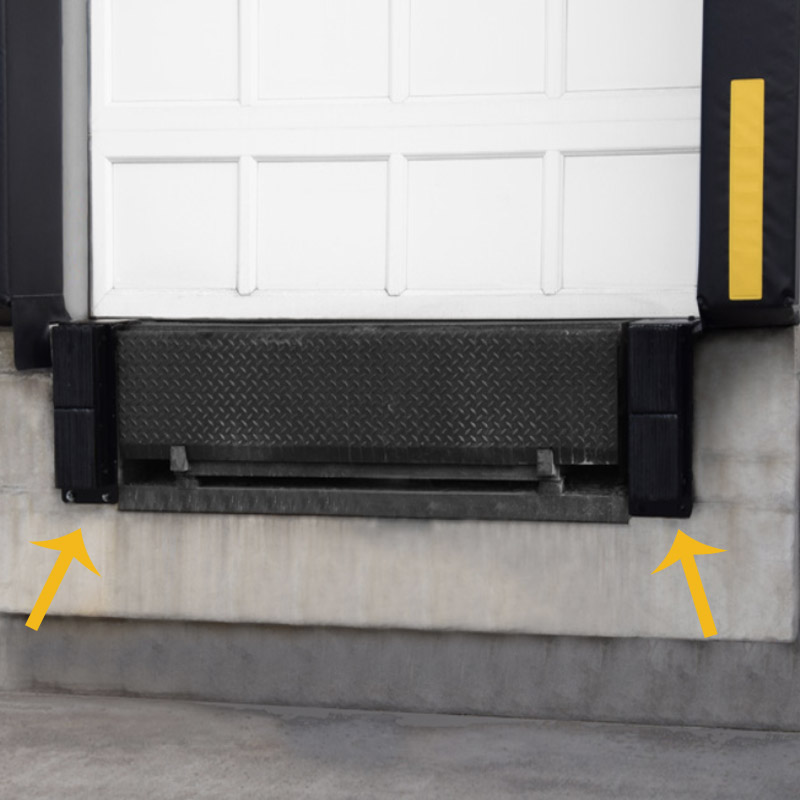 Can a Loading Dock Bumper Survive -30°C Winters and +50°C Summers? Here Is the Extreme-Weather Data