
In the realm of industrial and commercial applications, pneumatic systems have long been relied upon for their efficiency, versatility, and reliability. Among the various components that constitute these systems, rubber pneumatic bags, also known as inflatable bladders or airbags, have gained considerable prominence. They are utilized in a myriad of applications, ranging from providing cushioning in packaging and transportation to acting as actuators in machinery and automation. However, with their increasing popularity, concerns regarding their safety have also surfaced. This article delves into the safety aspects of rubber pneumatic bags, examining their design, materials, operational principles, potential risks, and the measures in place to ensure their safe use.
Understanding Rubber Pneumatic Bags
Rubber pneumatic bags are essentially flexible, inflatable structures made from durable rubber or elastomer materials. They are designed to expand and contract when filled with or deprived of compressed air, making them ideal for applications where variable force or pressure is required. These bags come in various shapes, sizes, and pressure ratings, tailored to meet the specific demands of different applications.
The construction of rubber pneumatic bags involves multiple layers of rubber, often reinforced with fabric or wire mesh to enhance their strength and durability. The choice of material is critical, as it must withstand the internal pressures, resist wear and tear, and be compatible with the surrounding environment. Manufacturers employ rigorous testing procedures to ensure that the materials used meet the required standards for strength, elasticity, and chemical resistance.
Operational Principles
The operational principle of rubber pneumatic bags is relatively straightforward. When compressed air is introduced into the bag, it expands, exerting force on the surrounding structures or objects. Conversely, when the air is released, the bag contracts, allowing for easy removal or adjustment. This principle makes rubber pneumatic bags highly versatile, as they can be used to apply precise and controlled force in various scenarios.
In industrial settings, rubber pneumatic bags are often integrated into automated systems, where they play a crucial role in processes such as clamping, lifting, pressing, and packaging. Their ability to provide consistent and adjustable force makes them a preferred choice over traditional mechanical components, which may be less flexible or require more maintenance.
Safety Considerations
While rubber pneumatic bags offer numerous advantages, their safe use is paramount. Several factors must be considered to ensure that these bags operate safely and effectively:
Pressure Ratings: Each rubber pneumatic bag is designed to withstand a specific maximum pressure. Exceeding this pressure can lead to rupture or failure, posing a risk to personnel and equipment. Therefore, it is essential to adhere strictly to the manufacturer's recommended pressure ratings and to use pressure regulators to maintain safe operating pressures.
Material Compatibility: The rubber material used in pneumatic bags must be compatible with the substances they will come into contact with. Exposure to certain chemicals, oils, or solvents can degrade the rubber, weakening its structure and reducing its lifespan. Manufacturers provide detailed information on material compatibility, which should be consulted before selecting a bag for a particular application.
Installation and Maintenance: Proper installation and regular maintenance are crucial for the safe operation of rubber pneumatic bags. The bags should be securely mounted to prevent them from dislodging during use. Regular inspections should be conducted to check for signs of wear, damage, or leakage. Any issues should be addressed promptly to avoid potential hazards.
Environmental Conditions: The operating environment can significantly affect the performance and safety of rubber pneumatic bags. Extreme temperatures, humidity, or exposure to UV radiation can accelerate material degradation and reduce the bag's lifespan. It is important to consider these factors when selecting and installing pneumatic bags.
Operator Training: Personnel who work with rubber pneumatic bags should receive adequate training on their proper use, maintenance, and potential hazards. They should be familiar with the equipment's operating procedures, safety guidelines, and emergency response measures.
Potential Risks and Mitigation Measures
Despite the best efforts to ensure their safety, rubber pneumatic bags can pose certain risks if not used correctly. Some of the potential risks include:
Rupture or Explosion: Overinflation or exposure to excessive pressure can cause the bag to rupture or explode, releasing stored energy and potentially causing injury or damage. To mitigate this risk, pressure regulators, safety valves, and pressure relief devices should be used to maintain safe operating pressures.
Projectile Hazards: In the event of a rupture, fragments of the bag or surrounding materials can become projectiles, posing a risk to nearby personnel. To minimize this risk, protective barriers or shielding should be installed around the pneumatic system.
Air Leakage: Leakage of compressed air from the bag can reduce its effectiveness and pose a slipping or falling hazard if the bag is used to support or clamp objects. Regular inspections and maintenance can help identify and address leakage issues promptly.
Environmental Impact: The disposal of used rubber pneumatic bags can pose an environmental hazard if not handled properly. Manufacturers and users should follow established procedures for the safe disposal or recycling of these materials.
In conclusion, rubber pneumatic bags are safe to use when properly designed, installed, and maintained. Their versatility, efficiency, and reliability make them a valuable component in many industrial and commercial applications. However, their safe use requires a thorough understanding of their operational principles, potential risks, and the measures necessary to mitigate these risks.
Manufacturers play a crucial role in ensuring the safety of rubber pneumatic bags by adhering to strict design and testing standards. Users, in turn, must follow the manufacturer's guidelines for installation, operation, and maintenance. By working together, manufacturers and users can ensure that rubber pneumatic bags continue to provide safe and effective solutions for a wide range of applications.
Ultimately, the safety of rubber pneumatic bags depends on a combination of factors, including material selection, design, installation, maintenance, and operator training. By addressing these factors comprehensively, the risks associated with the use of rubber pneumatic bags can be minimized, allowing them to continue to play a vital role in modern industrial and commercial operations.
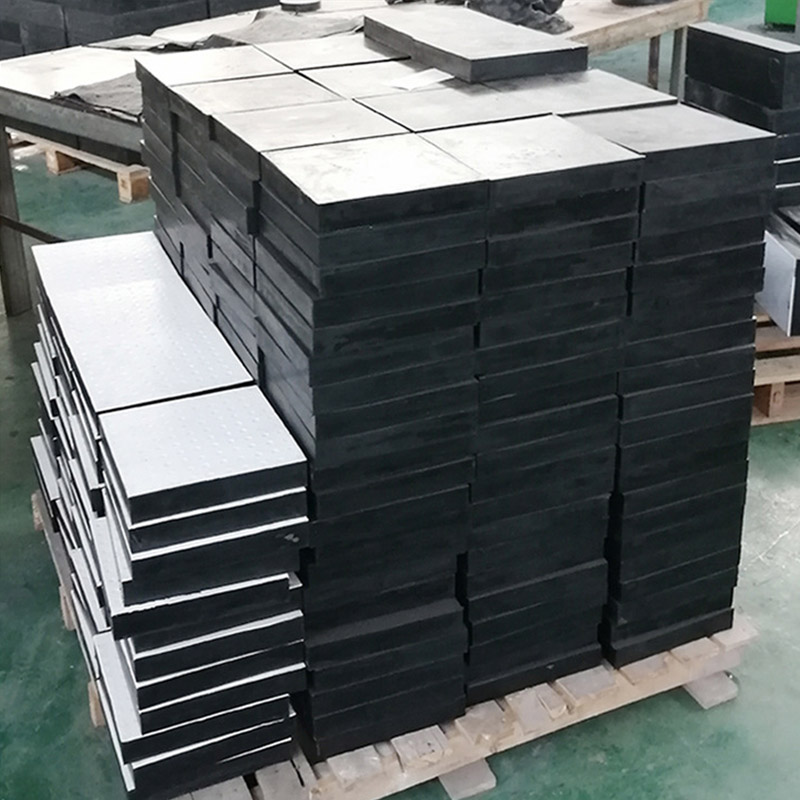 Why Do Some Bridge Bearing Pads Fail in Five Years While Others Last Fifty? A Root-Cause Analysis
 How Much Load Can a Bridge Bearing Pad Actually Carry? Engineering Data for Safe Girder Support
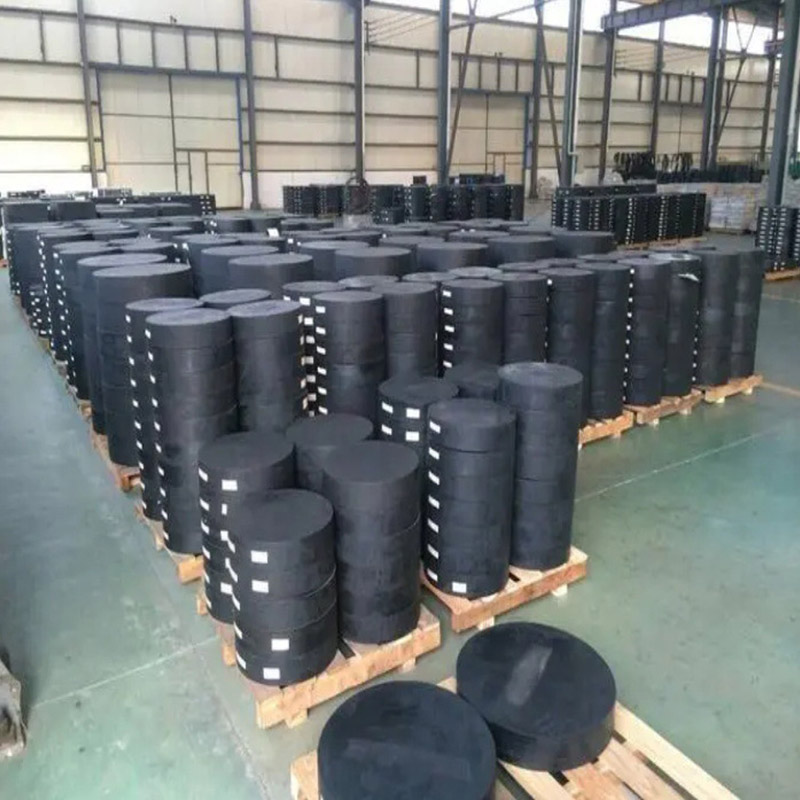 Is Your Bridge Bearing Pad Specified for the Wrong Rubber Grade? Why Elastomeric Bridge Bearing Pad Selection Decides 50-Year Deck Life
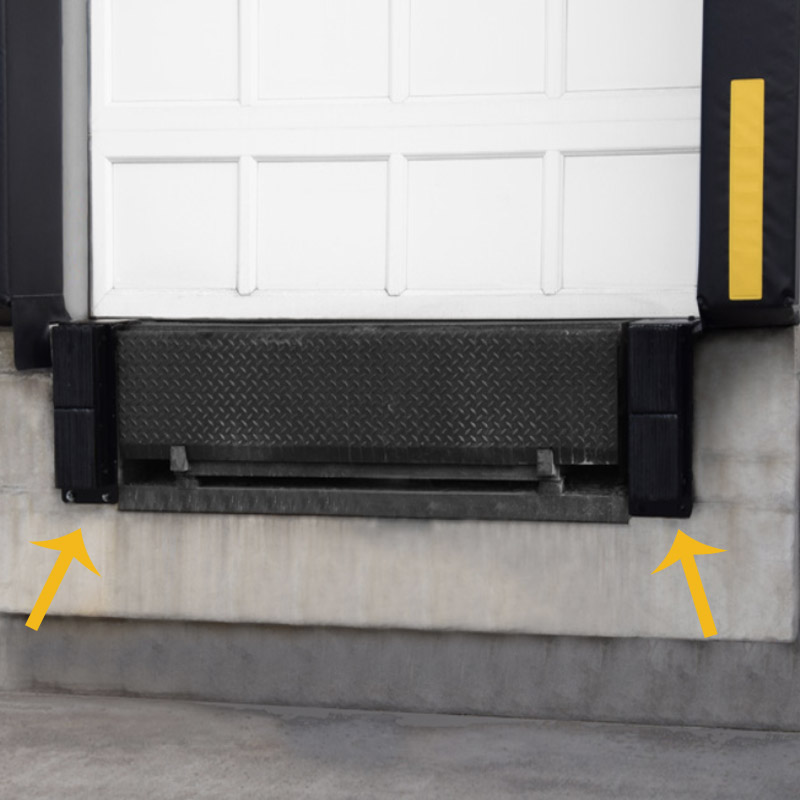 Can a Loading Dock Bumper Survive -30°C Winters and +50°C Summers? Here Is the Extreme-Weather Data