
Rubber pneumatic bags, often utilized in various industrial and mechanical applications for their durability and flexibility, require proper maintenance to ensure longevity and optimal performance. Over time, these bags can accumulate dirt, grime, and other contaminants that may affect their functionality. Cleaning a rubber pneumatic bag might seem like a straightforward task, but it necessitates a meticulous approach to avoid damaging the material or compromising its integrity. This article outlines a comprehensive guide on how to effectively clean a rubber pneumatic bag while preserving its quality and extending its lifespan.
Understanding the Importance of Cleaning
Before diving into the cleaning process, it's crucial to understand why keeping your rubber pneumatic bag clean is essential. These bags are often subjected to harsh environments, exposure to chemicals, and physical wear and tear. Contaminants can渗透 into the rubber, causing it to degrade faster, leading to potential leaks or ruptures. A clean bag not only operates more efficiently but also reduces the risk of unexpected failures, which can be costly and time-consuming to repair.
Gathering the Necessary Supplies
To clean a rubber pneumatic bag properly, you'll need a few essential supplies. Here's a list of items you should have on hand:
Mild Detergent: Choose a gentle, non-abrasive detergent that won't harm the rubber material.
Soft Sponge or Cloth: Avoid using abrasive scrubbers that could scratch the surface of the bag.
Warm Water: Warm water helps to loosen dirt and grime more effectively than cold water.
Bucket: For mixing the cleaning solution and rinsing the sponge or cloth.
Dry Cloth or Towel: For wiping down the bag after cleaning to remove excess moisture.
Rubber Gloves: To protect your hands from any chemicals or irritants in the cleaning solution.
Preparing the Cleaning Solution
Begin by preparing the cleaning solution. Fill a bucket with warm water and add a small amount of mild detergent. Stir the mixture gently to create a sudsy solution. It's important not to use too much detergent, as excessive soap can leave a residue that may attract dirt and make the bag more difficult to clean in the future.
Cleaning the Exterior of the Bag
Inspection: Start by inspecting the exterior of the bag for any visible signs of damage or heavy soiling. This will help you identify areas that may require extra attention during the cleaning process.
Wetting the Sponge/Cloth: Dip the soft sponge or cloth into the cleaning solution, ensuring it's not dripping wet. Wring it out slightly to avoid oversaturating the rubber.
Gentle Cleaning: Wipe down the exterior of the bag using gentle, circular motions. Pay close attention to creases and seams where dirt and grime can accumulate. Avoid applying too much pressure, as this could damage the rubber.
Rinsing: Periodically rinse the sponge or cloth in clean water to remove any dirt or debris that has been lifted from the bag. This prevents you from spreading dirt around and ensures a thorough cleaning.
Repeat if Necessary: If the bag is heavily soiled, you may need to repeat the cleaning process several times to remove all the dirt and grime.
Cleaning the Interior of the Bag
Cleaning the interior of a rubber pneumatic bag can be more challenging due to its inaccessible nature. However, it's equally important to ensure the inside is free of contaminants.
Access Points: Check if the bag has any access points, such as valves or openings, that allow you to insert a cleaning tool. If so, use a long, soft brush or cloth attached to a stick to reach the interior surfaces.
Gentle Scrubbing: If you can access the interior, gently scrub the surfaces using the same mild detergent solution. Be cautious not to damage any internal components or seams.
Rinsing: Rinse the interior thoroughly to remove all traces of soap and dirt. If possible, use a hose or a similar device to flush out the inside of the bag.
Drying: After cleaning, ensure the interior is completely dry before reusing the bag. Moisture left inside can lead to mold growth or other damage.
Drying the Bag
Exterior Drying: Use a dry cloth or towel to wipe down the exterior of the bag, removing as much moisture as possible. Allow the bag to air dry in a well-ventilated area away from direct sunlight or heat sources, which can cause the rubber to degrade.
Interior Drying: If you've cleaned the interior, you may need to use a clean, dry cloth or a compressed air source to remove moisture. Ensure all surfaces are thoroughly dried to prevent any issues.
Storage and Maintenance Tips
Proper Storage: Store the cleaned and dried rubber pneumatic bag in a cool, dry place away from direct sunlight and extreme temperatures. Avoid storing it in areas where it could be exposed to chemicals or other contaminants.
Regular Inspection: Periodically inspect the bag for signs of wear, damage, or contamination. Address any issues promptly to prevent more significant problems from developing.
Lubrication: If the bag has moving parts or seals, apply a suitable lubricant as recommended by the manufacturer to keep them in good working condition.
Avoid Harsh Chemicals: When cleaning or maintaining the bag, always avoid using harsh chemicals, solvents, or abrasives that could damage the rubber.
Cleaning a rubber pneumatic bag is a relatively simple process, but it requires careful attention to detail and the use of appropriate materials. By following the steps outlined in this guide, you can effectively remove dirt and grime, ensuring your bag remains in excellent condition for years to come. Regular maintenance and proper storage will further extend the lifespan of your rubber pneumatic bag, reducing the need for costly replacements and minimizing downtime in your operations. Remember, a well-maintained bag is a reliable bag, and reliability is key in any industrial or mechanical application.
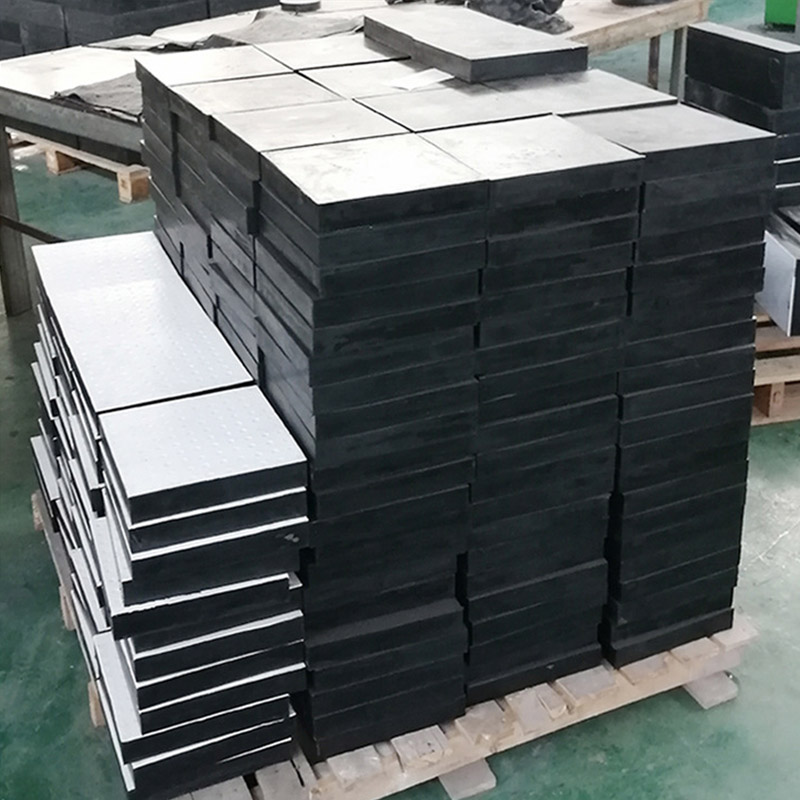 Why Do Some Bridge Bearing Pads Fail in Five Years While Others Last Fifty? A Root-Cause Analysis
 How Much Load Can a Bridge Bearing Pad Actually Carry? Engineering Data for Safe Girder Support
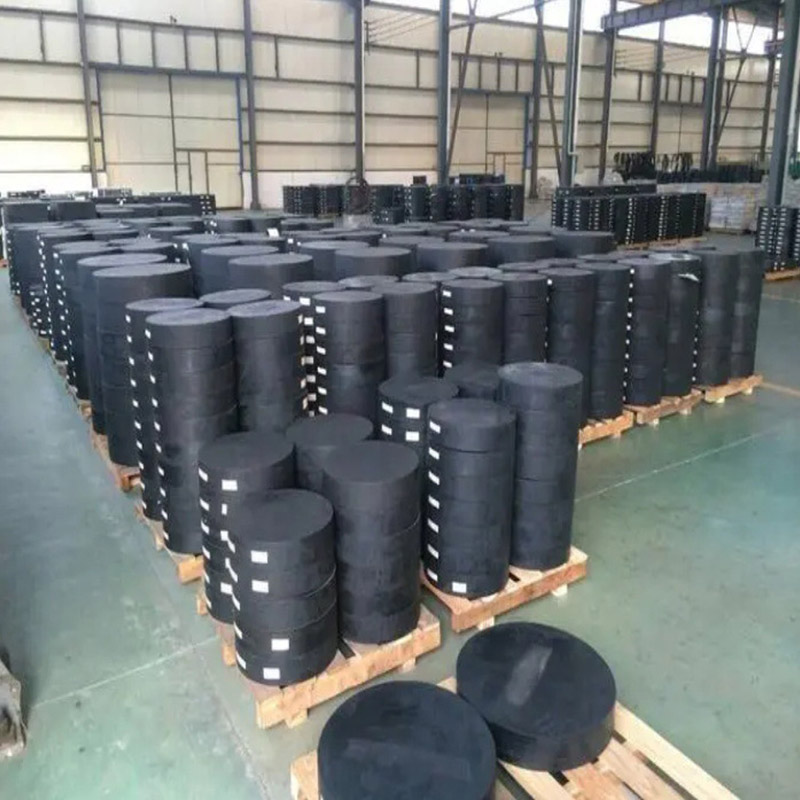 Is Your Bridge Bearing Pad Specified for the Wrong Rubber Grade? Why Elastomeric Bridge Bearing Pad Selection Decides 50-Year Deck Life
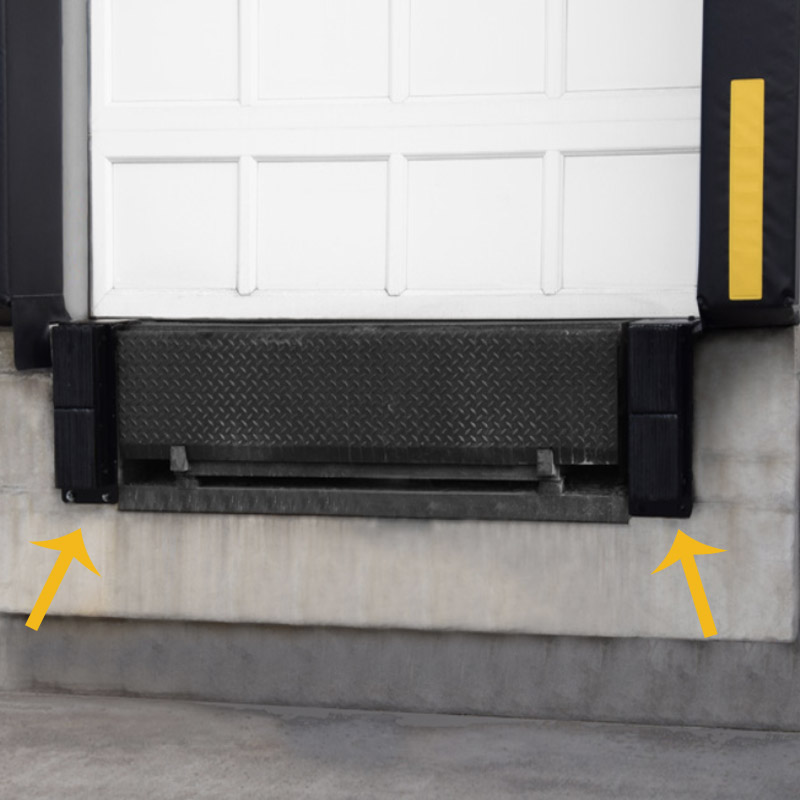 Can a Loading Dock Bumper Survive -30°C Winters and +50°C Summers? Here Is the Extreme-Weather Data