
Rubber pneumatic bags, also known as inflatable rubber bladders or airbags, are versatile tools utilized across various industries for a multitude of applications. From providing support and cushioning in packaging and transportation to acting as actuators in mechanical systems, these bags rely on the pressure of compressed air or other gases to function effectively. One of the critical aspects of using rubber pneumatic bags is understanding the pressure they can withstand, as this determines their suitability for different tasks and ensures safe operation.
To delve into the pressure-withstanding capabilities of rubber pneumatic bags, it is essential to consider several factors that influence their strength and durability. These factors include the material composition, design and construction, manufacturing process, and the specific application for which the bag is intended.
Material Composition
The material from which a rubber pneumatic bag is made is a fundamental determinant of its pressure-bearing capacity. Rubber, in its various forms, exhibits different properties that affect the bag's overall strength. Natural rubber, for instance, is known for its elasticity and tear resistance, making it suitable for applications requiring high flexibility. On the other hand, synthetic rubbers like nitrile, neoprene, or chloroprene offer enhanced resistance to oils, chemicals, and temperature extremes, which can be crucial in industrial settings.
The thickness of the rubber material also plays a significant role. Thicker walls can withstand higher pressures but may reduce the bag's flexibility. Conversely, thinner walls provide greater flexibility but may be more prone to rupturing under high pressure. Manufacturers often strike a balance between thickness and flexibility to suit specific applications, ensuring the bag can endure the expected pressure without compromising its performance.
Design and Construction
The design and construction of a rubber pneumatic bag are equally important in determining its pressure-withstanding capabilities. The shape of the bag, whether it is cylindrical, spherical, or custom-made, affects how pressure is distributed across its surface. A well-designed bag will have uniform wall thickness and reinforced seams to prevent weak points that could lead to failure under pressure.
Reinforcement materials, such as fabric or wire mesh, are sometimes incorporated into the rubber to enhance its strength. These reinforcements provide additional support, allowing the bag to withstand higher pressures while maintaining its structural integrity. The choice of reinforcement material and its integration into the bag's design can significantly impact its pressure rating.
Manufacturing Process
The manufacturing process of rubber pneumatic bags also contributes to their pressure-withstanding abilities. High-quality manufacturing ensures that the bag is free from defects, such as bubbles, cracks, or uneven wall thickness, which could compromise its strength. Manufacturers employ various techniques, including molding, extrusion, and vulcanization, to produce bags with consistent properties and reliable performance.
Quality control measures during and after the manufacturing process are crucial. Rigorous testing and inspection procedures help identify and eliminate defective bags, ensuring that only those capable of withstanding the specified pressure are released into the market.
Application-Specific Considerations
The intended application of a rubber pneumatic bag is another vital factor to consider when assessing its pressure-withstanding capabilities. Different applications impose varying levels of pressure and other environmental conditions that the bag must endure. For example, a bag used in packaging to protect fragile items during transit may only need to withstand relatively low pressures, whereas a bag used in an industrial setting to actuate heavy machinery may need to withstand much higher pressures.
In some cases, the bag may be exposed to cyclic loading, where it repeatedly inflates and deflates under pressure. This can lead to fatigue over time, reducing the bag's pressure-withstanding capacity. Manufacturers often specify the maximum number of cycles a bag can endure before it is expected to fail, allowing users to select a bag that meets their durability requirements.
Determining Pressure Ratings
To provide users with clear guidance on the pressure-withstanding capabilities of rubber pneumatic bags, manufacturers typically assign pressure ratings to their products. These ratings indicate the maximum pressure the bag can safely withstand without risk of rupture or failure. It is important to note that these ratings are based on controlled testing conditions and may not account for all the variables encountered in real-world applications.
Users should always consult the manufacturer's specifications to determine the appropriate pressure rating for their specific application. In some cases, it may be necessary to select a bag with a higher pressure rating than required to provide a safety margin and account for potential variations in operating conditions.
Safety Considerations
Operating rubber pneumatic bags within their specified pressure ratings is crucial for ensuring safety. Exceeding the maximum pressure can lead to rupture, which can cause injury or damage to surrounding equipment. To prevent overpressurization, users should employ pressure regulators, gauges, and other safety devices to monitor and control the pressure within the bag.
Regular inspection and maintenance of rubber pneumatic bags are also essential for maintaining their safety and performance. Signs of wear, damage, or aging should be promptly addressed to prevent potential failures. Replacing worn or damaged bags with new ones that meet the required pressure ratings is the best way to ensure continued safe operation.
In conclusion, the pressure a rubber pneumatic bag can withstand is influenced by several factors, including material composition, design and construction, manufacturing process, and application-specific considerations. By understanding these factors and consulting the manufacturer's specifications, users can select a bag that is capable of withstanding the pressures encountered in their specific application. Adhering to safe operating practices and maintaining the bag in good condition will help ensure its reliability and longevity, allowing it to perform effectively and safely in a variety of settings.
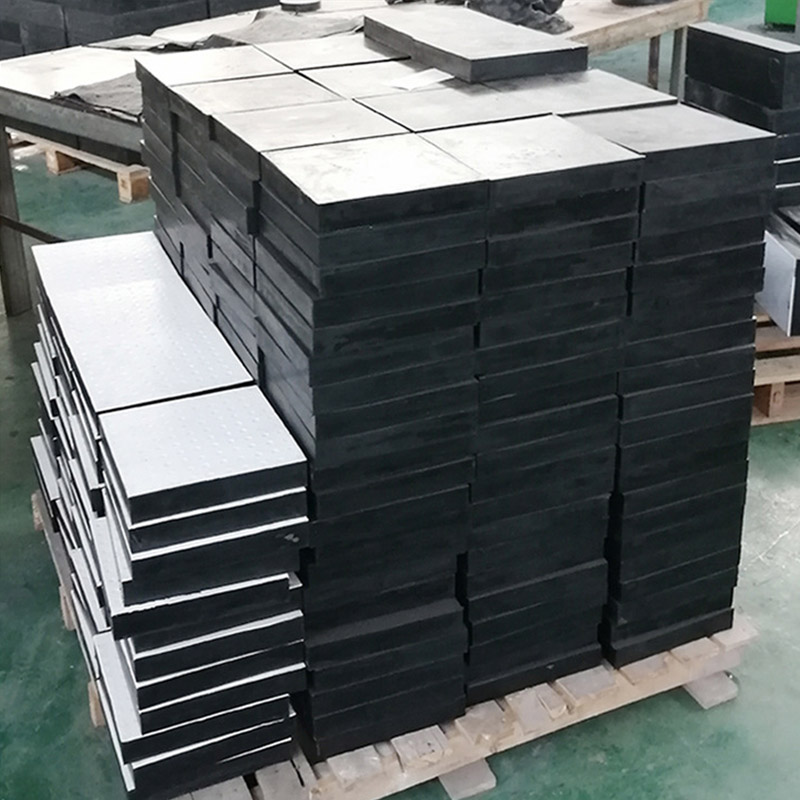 Why Do Some Bridge Bearing Pads Fail in Five Years While Others Last Fifty? A Root-Cause Analysis
 How Much Load Can a Bridge Bearing Pad Actually Carry? Engineering Data for Safe Girder Support
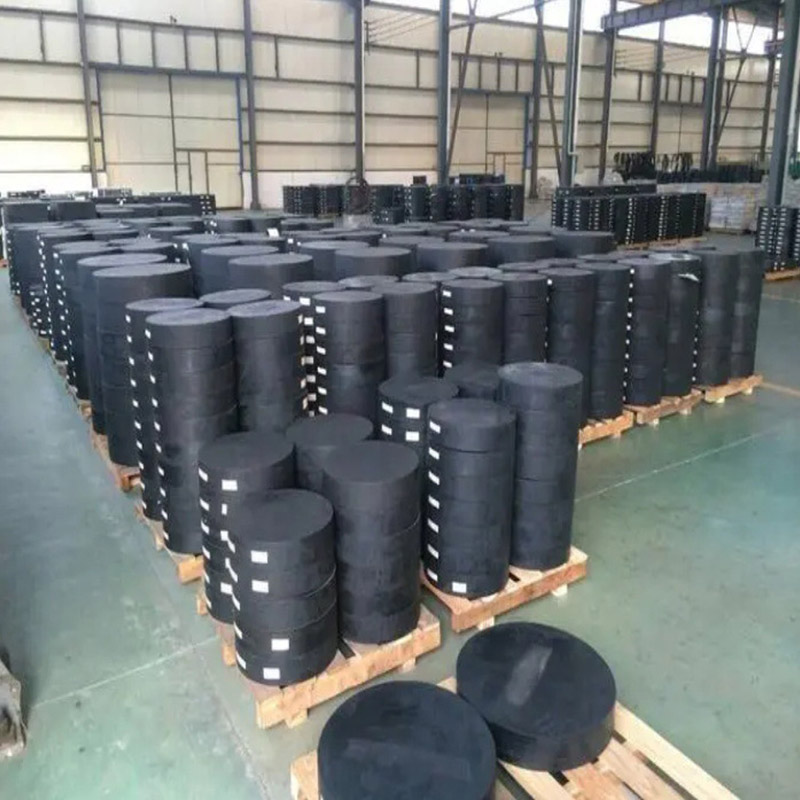 Is Your Bridge Bearing Pad Specified for the Wrong Rubber Grade? Why Elastomeric Bridge Bearing Pad Selection Decides 50-Year Deck Life
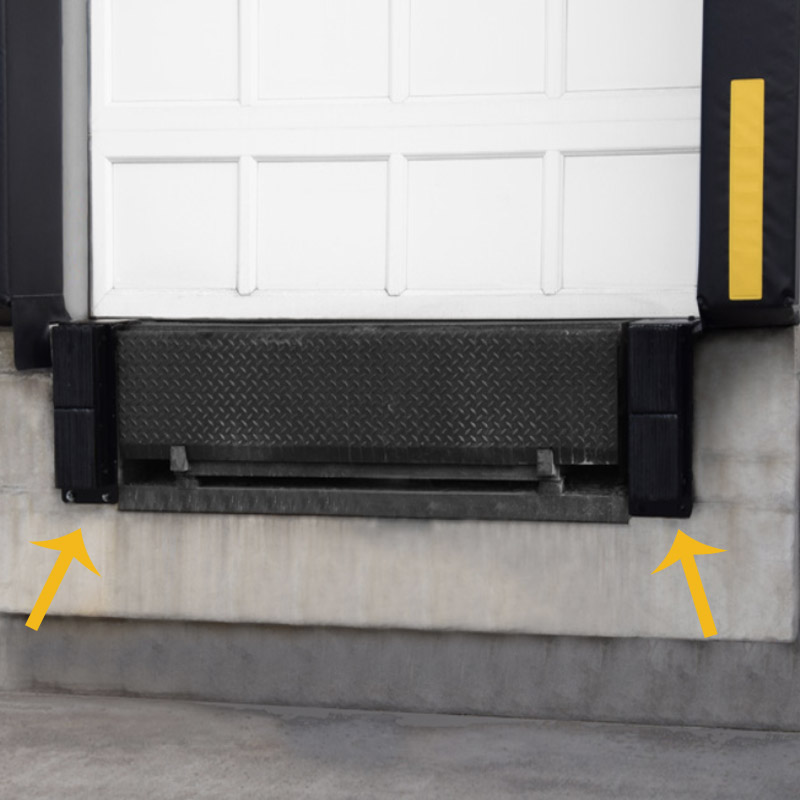 Can a Loading Dock Bumper Survive -30°C Winters and +50°C Summers? Here Is the Extreme-Weather Data