
A Bookend Rubber Dam, also known as a Reinforced or Segmented Rubber Dam, is a technologically advanced variation of the standard inflatable rubber weir. Its defining feature is a series of reinforced, vertical "spine" sections that are mechanically fastened along the dam's length, creating a structure reminiscent of a book's spine and pages. This design significantly enhances structural integrity and operational performance under challenging hydraulic conditions, making it suitable for sites with high heads, long spans, or significant dynamic loads.

Structure and Design Principle
Unlike a conventional cylindrical rubber bladder, the Bookend Rubber Dam comprises multiple independent, adjacent inflatable segments or cells. The key innovation lies in the vertical reinforced spines—rigid structural elements, typically made of steel or high-strength composite, that are securely anchored to the foundation and separate the inflatable cells. The high-strength rubber fabric is then attached to both sides of these spines, forming a line of interconnected cells.
Core Components:
Vertical Spine Plates: The backbone of the structure, providing rigid vertical support and anchorage points.
Reinforced Rubber Cells: Individual inflatable compartments between the spines, made from multi-layered fabric-reinforced rubber (EPDM/Chloroprene + Polyester).
Robust Foundation: A reinforced concrete base designed to withstand the concentrated loads transferred by the spine plates.
Independent Inflation System: Each cell or groups of cells can have separate air/water supply lines and valves, allowing for segmented control.
Enhanced Anchorage System: Heavy-duty anchor bolts and clamping assemblies secure the spine plates and rubber membranes.
Operational Mechanism
The dam operates on the same fundamental inflation/deflation principle. To raise the barrier, the individual cells are filled with air or water, causing them to inflate and lift uniformly. The rigid spine plates prevent lateral bulging or oscillation, ensuring the crest line remains stable and straight. Deflation is achieved by evacuating the medium from the cells. The segmented design allows for differential operation—where one section can be lowered for flow passage while adjacent sections remain raised.
Key Advantages and Features
Superior Structural Stability: The spine plates act as deep beams, drastically reducing horizontal deflection and vibration caused by high-velocity flow, waves, or wind, leading to a longer service life.
Accurate Crest Profile Control: Maintains a precise, consistent crest elevation even under varying loads, essential for accurate flow measurement and level control.
Enhanced Safety and Redundancy: The segmented cell design provides inherent redundancy. A puncture or leak in one cell results in only a local loss of height, not a total collapse, allowing for safer, planned maintenance.
Applicable for Higher Heads: The reinforced structure makes this design suitable for effective heads typically ranging from 3 meters up to 6 meters or more, exceeding the practical limits of standard cylindrical dams.
Reduced Downstream Scour: The stable, non-oscillating crest creates a more consistent hydraulic jump and energy dissipation pattern, minimizing erosive turbulence downstream.
Durability in Harsh Conditions: Ideal for sites with heavy debris, ice flows, or significant wave action, as the rigid spines protect against impact and tearing.
Why Choose a Bookend Rubber Dam? Compelling Reasons for Selection
The decision to select a Bookend Rubber Dam over a standard cylindrical type is driven by specific project challenges and performance requirements:
For Sites with Very High Water Heads: When a water level differential exceeds 3 meters, the standard dam's cylindrical shape becomes less stable. The Bookend's rigid reinforcement is the optimal solution to handle the increased hydrostatic pressure without excessive deformation.
For Long Span Lengths: On wide rivers or channels (spans >50m), standard dams can experience significant mid-span sagging. The vertical spines act as intermediate supports, maintaining crest alignment and structural integrity across the entire length.
For Dynamic or Fluctuating Loads: In locations with rapidly changing flows, boat wakes, or wave action, the enhanced stability prevents damaging "flapping" or resonance, ensuring reliable long-term operation.
For Critical Applications Requiring Fail-Safe Performance: In water supply or flood control where failure is not an option, the cell-based redundancy ensures continued partial operation even during a localized failure, allowing for controlled management of the situation.
For Improved Hydraulic Performance: Projects requiring precise crest control for flow measurement or minimal downstream erosion will benefit from the stable, well-defined profile maintained by the spine structure.
Typical Applications
Medium-High Head Water Diversion and Intake Structures.
Long-Span River Regulation and Flood Control Barriers.
Tidal Barrages and Estuary Control Gates.
Stormwater Retention Basin Control Structures.
Canal Headworks and Check Structures requiring precise level management.
Conclusion
The Bookend Rubber Dam represents the high-performance tier of inflatable weir technology. It integrates the inherent flexibility and operational benefits of rubber dams with the structural rigor of traditional gates. While involving a higher initial investment than standard designs, it provides unmatched stability, durability, and safety for demanding applications. Choosing a Bookend Rubber Dam is the definitive engineering solution when project conditions push the limits of conventional inflatable dams, ensuring reliable performance under high pressure, across long spans, and in dynamic water environments.
 How Much Load Can a Bridge Bearing Pad Actually Carry? Engineering Data for Safe Girder Support
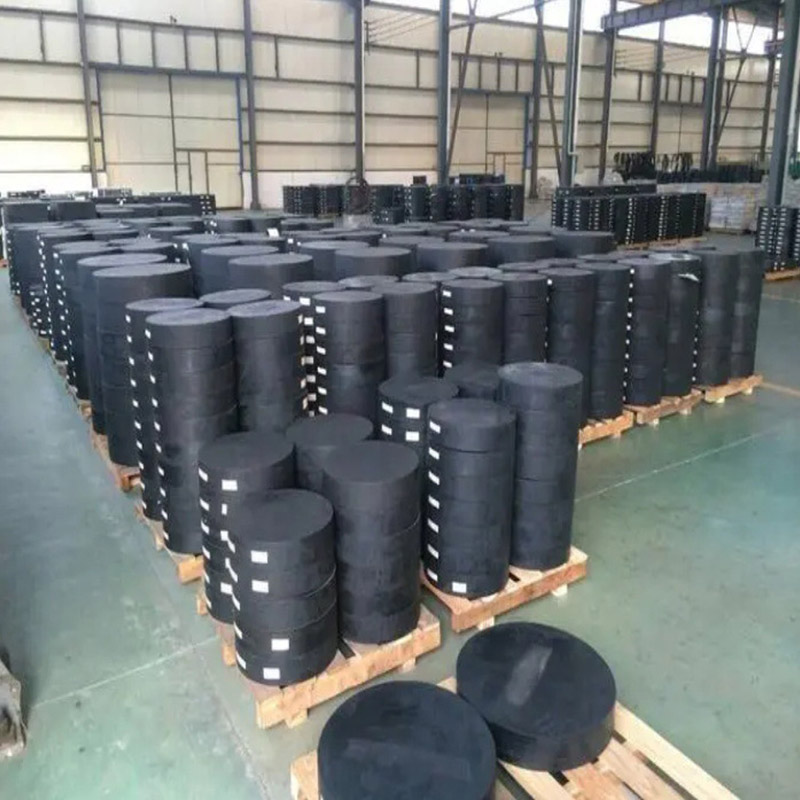 Is Your Bridge Bearing Pad Specified for the Wrong Rubber Grade? Why Elastomeric Bridge Bearing Pad Selection Decides 50-Year Deck Life
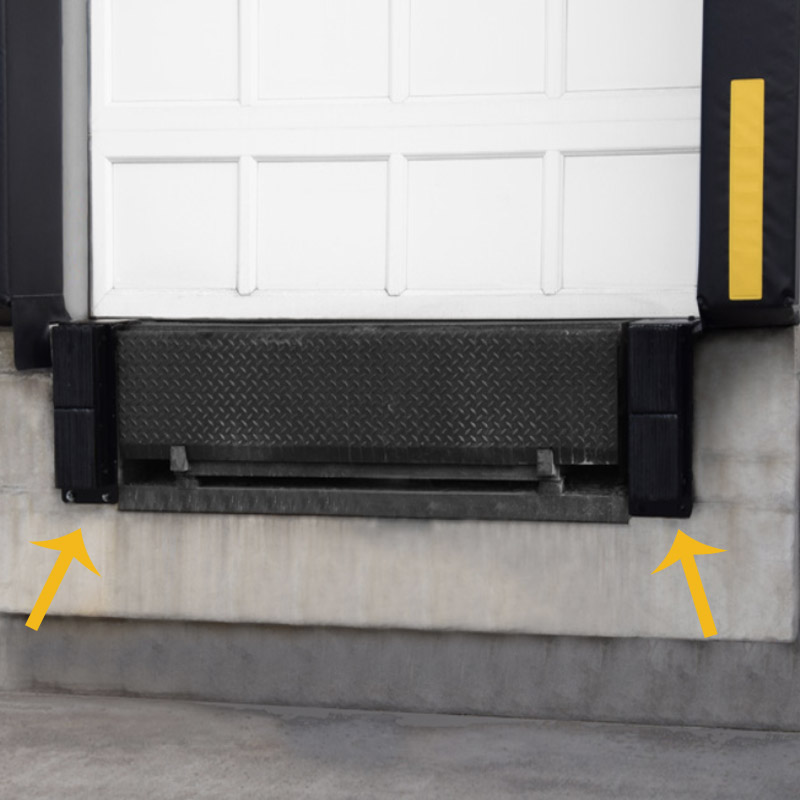 Can a Loading Dock Bumper Survive -30°C Winters and +50°C Summers? Here Is the Extreme-Weather Data
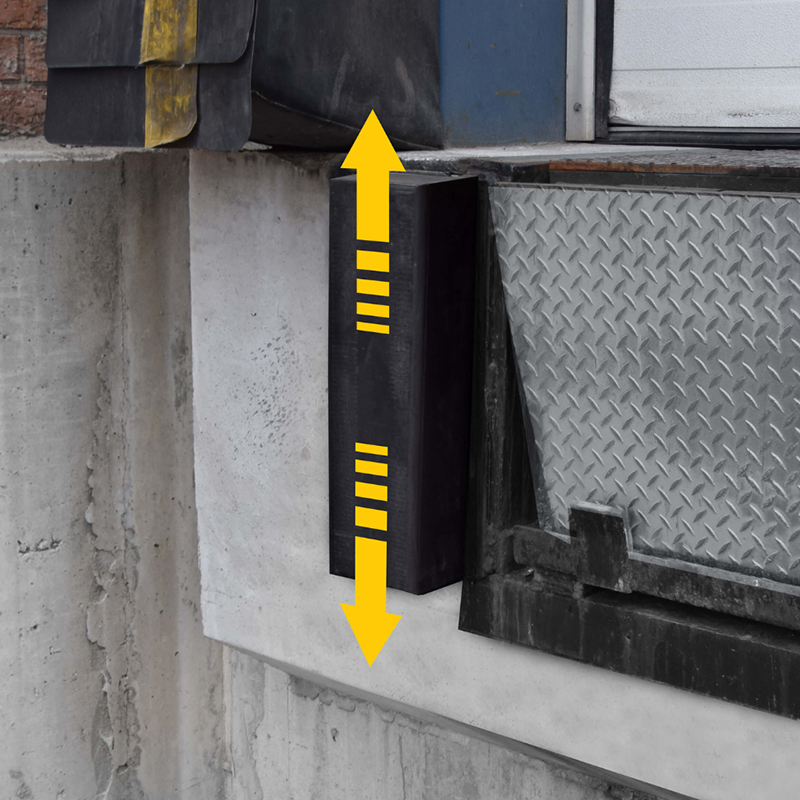 Are Your Dock Bumpers Specified for the Wrong Impact Profile? Why a Loading Dock Bumper with a Steel Face Outperforms in Real Traffic