
Mobile Inflatable Rubber Dams are innovative, versatile, and cost-effective hydraulic control structures designed for temporary or semi-permanent water management applications. Unlike traditional fixed weirs or inflatable rubber dams anchored to foundations, the mobile version is characterized by its portability, ease of deployment, and rapid installation/dismantling. This product is ideal for emergency flood control, temporary water diversion for construction or irrigation, environmental projects, and situations requiring flexible flow regulation without permanent infrastructure.

Product Structure & Components
A standard Mobile Inflatable Rubber Dam system typically consists of the following key components:
Rubber Dam Body: The core element is a high-strength, multi-layered fabric-reinforced rubber bag, similar to those used in fixed inflatable dams. It is manufactured from durable synthetic rubber (like EPDM or chloroprene) and reinforced with high-tensile fabric (polyester or nylon) to withstand hydraulic pressure, abrasion, UV radiation, and environmental factors.
Inflatable/Deflatable System: The dam is equipped with an internal air bladder or is designed to be inflated directly with water or air. A compact, integrated pumping unit (air compressor or water pump) is provided for inflation. A deflation valve system allows for quick lowering.
Anchoring & Stabilization Frame: The unique "mobile" aspect comes from a specially designed, modular steel or aluminum frame/skid. The rubber dam body is securely attached to this frame. The frame provides structural stability, distributes loads, and incorporates anchoring points.
Anchoring System: For deployment, the unit uses ground anchors (screw-in, driven, or deadman anchors), ballast tanks (which can be filled with water or sand), or attachment points to existing structures. This secures the dam against floating and sliding.
Control Panel: A user-friendly, often weatherproof control panel houses the pump controls, pressure gauges, and safety valves for automated or manual operation of inflation/deflation.
Accessories: May include protective aprons (upstream/downstream), flow seals for the ends, and transport wheels or lifting lugs integrated into the frame for mobility.
Key Features & Advantages
Rapid Deployment: Can be installed and made operational within hours, not days or weeks, crucial for emergency response.
High Mobility & Reusability: The integrated frame allows the entire unit to be transported (by truck, trailer, or even helicopter for smaller units) and redeployed at multiple sites as needed, offering excellent cost-efficiency over time.
Flexible Operation: The height of the water barrier is easily adjustable by varying the internal pressure (inflation level). The dam can be fully lowered to allow unobstructed passage of flow or debris when not in use.
Minimal Site Preparation: Requires minimal civil works. The foundation needs only to be reasonably level and clear of sharp objects, eliminating the need for complex concrete foundations.
Effective Sealing: The flexible rubber conforms well to uneven riverbeds, creating an effective seal and minimizing seepage.
Environmental Friendliness: When deflated, it presents virtually no barrier to aquatic life or natural stream flow. Its temporary nature minimizes long-term ecological impact.
Durability: Constructed with robust, weather-resistant materials suitable for long-term outdoor use across various climates.
Primary Applications
Emergency Flood Control & Protection: Rapidly deployed to create temporary flood barriers, protect critical infrastructure, or direct floodwaters.
Construction & Maintenance: Used for dewatering sites, creating cofferdams, or diverting water for bridge, pipeline, or culvert work.
Agricultural Water Management: Temporarily raises upstream water levels for irrigation intakes or creates storage in channels.
Environmental Management: Used for creating temporary wetlands, controlling water levels for habitat restoration, or managing sedimentation in ponds.
Event Water Management: Useful for creating temporary rowing courses, regulating water levels for sporting events, or controlling flow for public festivities near water bodies.
Operational Principle
The mobile rubber dam operates on a simple principle. Once positioned transversely across a channel or desired location, it is anchored securely. The pump is then activated to inflate the rubber bladder with air or water. As it inflates, the dam rises from its folded position on the frame to form a vertical, water-retaining barrier. The pressure inside is regulated to achieve the desired crest height and withstand the upstream water pressure. To lower the barrier, the deflation valves are opened, allowing the dam to slowly collapse flat onto its base frame, restoring free flow.
Specifications & Customization
Mobile Rubber Dams are highly customizable. Key specifications include:
Length: Typically modular, from 5 meters up to 50 meters or more by connecting units.
Height: Common operational heights range from 0.5 meters to 2.0 meters.
Inflation Medium: Air (faster operation) or Water (more stable in cold climates).
Anchoring Type: Chosen based on bed material (e.g., screw anchors for soil, ballast for hard surfaces).
Conclusion
The Mobile Inflatable Rubber Dam is a paradigm shift in temporary hydraulic engineering, offering unparalleled flexibility, speed, and cost savings. It empowers engineers, farmers, emergency services, and project managers to implement effective water control solutions with minimal lead time and environmental footprint. Its reusability and robust design make it a smart, sustainable investment for any organization facing dynamic water management challenges.
 How Much Load Can a Bridge Bearing Pad Actually Carry? Engineering Data for Safe Girder Support
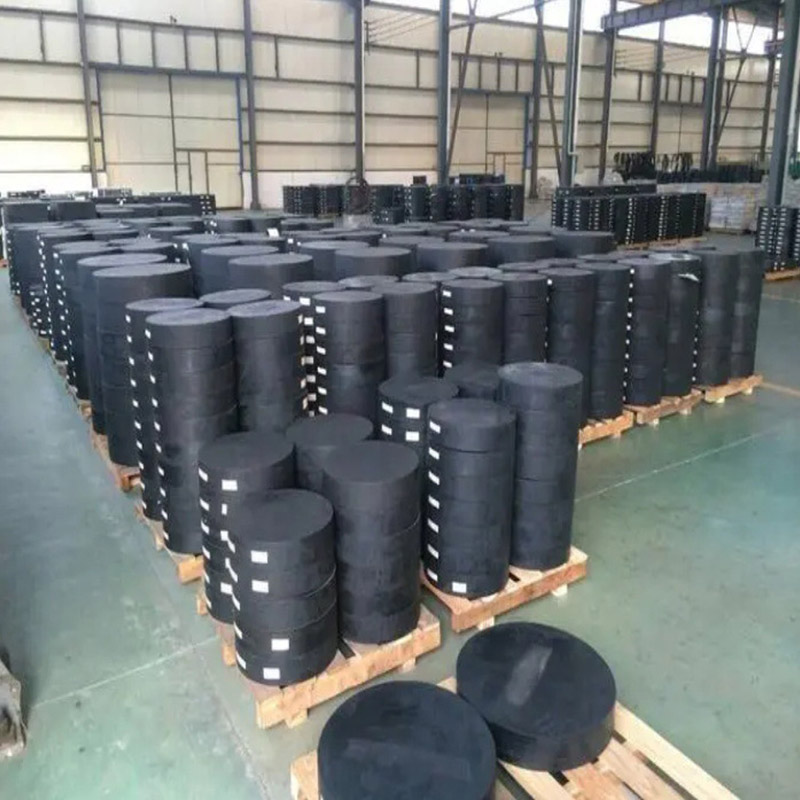 Is Your Bridge Bearing Pad Specified for the Wrong Rubber Grade? Why Elastomeric Bridge Bearing Pad Selection Decides 50-Year Deck Life
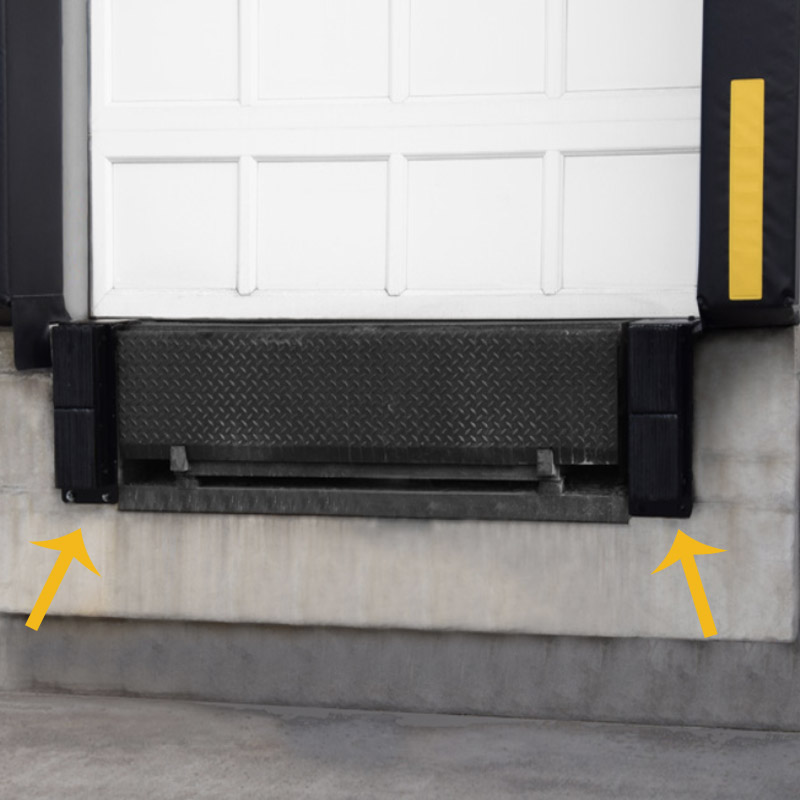 Can a Loading Dock Bumper Survive -30°C Winters and +50°C Summers? Here Is the Extreme-Weather Data
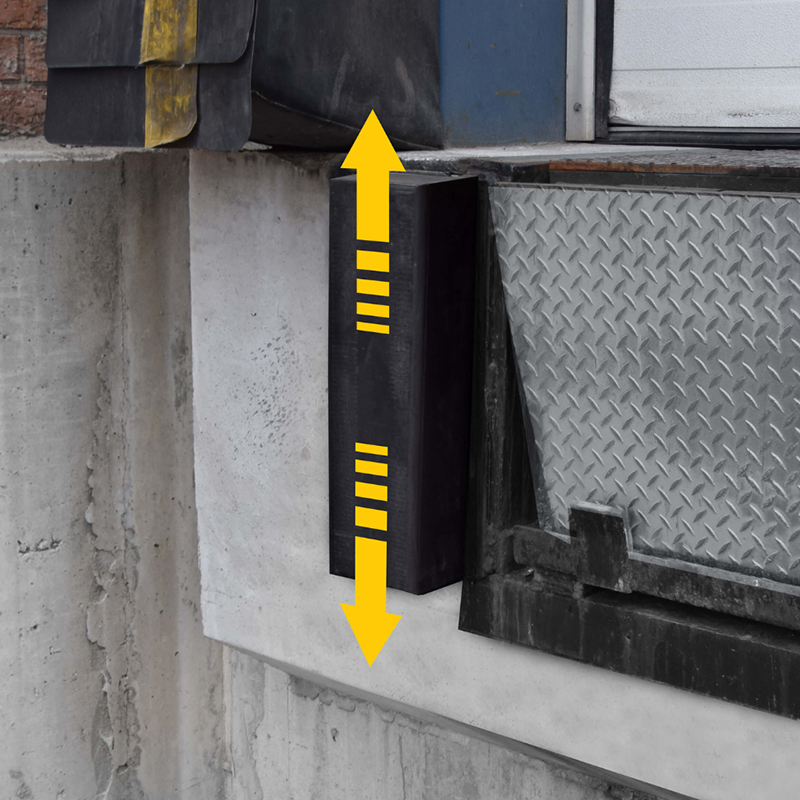 Are Your Dock Bumpers Specified for the Wrong Impact Profile? Why a Loading Dock Bumper with a Steel Face Outperforms in Real Traffic