
An Inflatable Rubber Dam is a modern, flexible hydraulic control structure designed to regulate water flow and level in rivers, canals, reservoirs, and other water systems. It consists of a robust, cylindrical rubber fabric bag anchored to a concrete foundation. By inflating or deflating the bag with air, water, or a combination of both, the dam’s height can be adjusted in real time, providing precise and dynamic water management. This innovative technology has increasingly replaced traditional rigid gates and weirs due to its versatility, cost-effectiveness, and operational simplicity.

Product Structure and Components
A standard Inflatable Rubber Dam system typically consists of the following key components:
Rubber Membrane: The core component is a high-strength, multi-layered fabric-reinforced rubber bag. It is typically made from synthetic rubber compounds (such as EPDM or chloroprene) and reinforced with polyester or nylon fabric plies, providing exceptional tensile strength, elasticity, and resistance to abrasion, ozone, UV radiation, and weathering.
Foundation Slab: A reinforced concrete foundation to which the rubber membrane is securely attached using anchor bolts and clamping plates. This slab withstands hydraulic forces and ensures a watertight seal at the base.
Inflation/Deflation System: This includes intake pipes, pumps (air compressors or water pumps), control valves, and air/water supply lines. The system allows for filling the bladder to raise the dam and emptying it to lower it.
Control Unit: An automated or manual control panel houses the instrumentation for operating the pumps and valves, often equipped with remote monitoring and control capabilities.
Protective and Ancillary Features: These may include upstream and downstream concrete or rubber aprons to dissipate energy, side abutment seals, trash racks to prevent debris damage, and protective coatings or covers for extended lifespan.
Working Principle
The operational principle is elegantly simple. In its default or "lowered" state, the rubber bladder lies flat and deflated on the foundation, allowing unrestricted flow of water and sediment over it. To impound water, a medium (air, water, or a combination) is pumped into the bladder via the filling system. As the bladder inflates, it rises to a predetermined height, forming a flexible, watertight barrier that obstructs the flow and raises the upstream water level. The dam’s crest height is precisely controlled by adjusting the internal pressure. For rapid lowering, the medium is released through exhaust valves, causing the dam to collapse back onto its foundation.
Key Advantages (A Crucial Section)Emergency Flood Control & Protection:
The Inflatable Rubber Dam offers a compelling array of benefits over conventional fixed-crest weirs and steel gates:Construction & Maintenance:
Cost-Effectiveness: Significant savings in both initial capital investment and long-term maintenance. It requires less massive concrete work than traditional weirs and eliminates the need for expensive steel gates, hoists, and complex support structures.
Operational Flexibility & Precision: The crest height is infinitely adjustable within its design range. This allows for precise control of upstream water levels, adaptable flow regulation according to seasonal demands, and real-time response to flood events by partial or complete deflation.
Excellent Sealing & Conformity: The flexible rubber conforms perfectly to the foundation and any minor irregularities, creating a highly effective seal that minimizes leakage—a common issue with mechanical gate seals.
Minimal Maintenance: With no hinges, rolling parts, or metal components in constant contact with water, the system is not prone to rust, jamming, or severe mechanical wear. Maintenance primarily involves periodic inspection and cleaning of the membrane.
Debris and Ice Passage: When fully deflated, the dam presents a smooth, sloping surface that allows ice floes, floating debris, and bed load sediment to pass over easily, preventing blockage and localized flooding.
Environmental Friendliness: Its deflated state restores a natural, unobstructed river cross-section, facilitating fish migration and maintaining ecological continuity. The operation is quiet and does not involve oil hydraulics that could cause contamination.
Aesthetic Appeal: The low-profile structure, especially when deflated, is visually unobtrusive and blends better with natural landscapes compared to bulky steel installations.
Safety: In the event of a power failure or extreme flood, the dam can be designed to deflate automatically via fail-safe valves, acting as a fusible plug to prevent overtopping and catastrophic failure of the structure itself.
Primary Applications
Water Supply & Irrigation: Raising water levels to ensure reliable intake for canals and pumping stations.
Flood Control & Management: Acting as a controllable barrier to attenuate flood peaks or divert floodwaters; can be lowered in advance of a major event.
Hydropower: Creating small head differences for mini-hydropower plants.
Environmental & Recreational Projects: Maintaining water levels in urban landscapes, creating or restoring wetland habitats, and forming recreational lakes.
Effluent Treatment & Pollution Control: Containing and managing water in treatment ponds.
Saline Intrusion Barriers: Preventing the upstream movement of saltwater in estuaries.
Specifications and Customization
These air inflatable rubber dams are highly customizable. Standard heights range from 0.5m to over 5.0m, and lengths can exceed 100m by joining multiple sections. The choice of inflation medium (air offers faster operation; water provides greater stability and freeze resistance) and specific material grades are determined based on site hydraulics, environmental conditions, and operational requirements.
Conclusion
The Inflatable Rubber Dam represents a mature, reliable, and intelligent solution for modern water resource engineering. It successfully marries simplicity of concept with sophisticated performance, offering unmatched control, durability, and economic and environmental benefits. For engineers and water authorities seeking a versatile, low-maintenance, and efficient alternative to traditional regulating structures, the inflatable rubber dam stands out as the superior choice for a wide range of applications.
 How Much Load Can a Bridge Bearing Pad Actually Carry? Engineering Data for Safe Girder Support
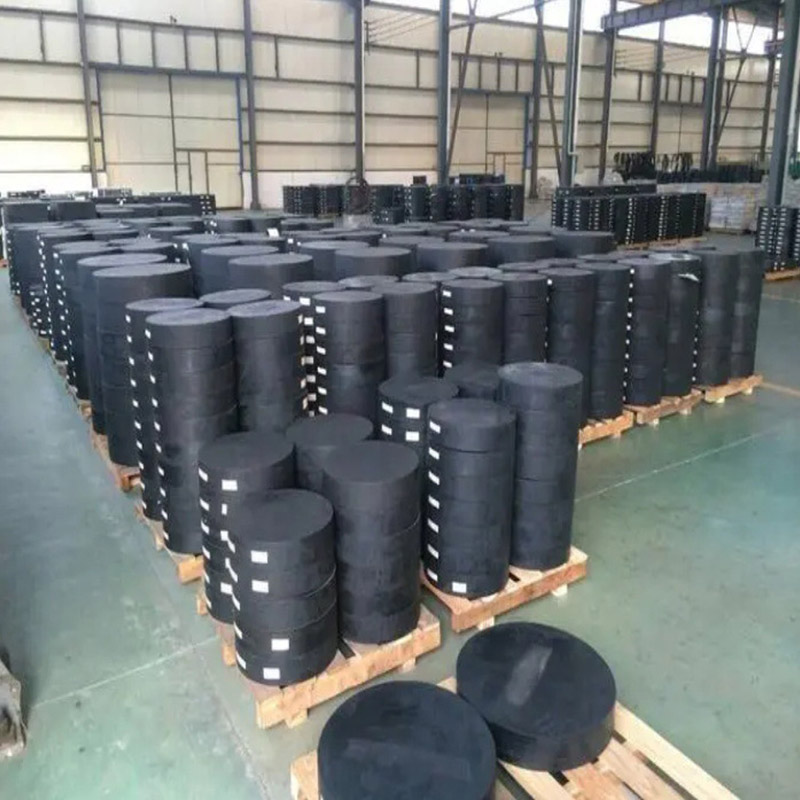 Is Your Bridge Bearing Pad Specified for the Wrong Rubber Grade? Why Elastomeric Bridge Bearing Pad Selection Decides 50-Year Deck Life
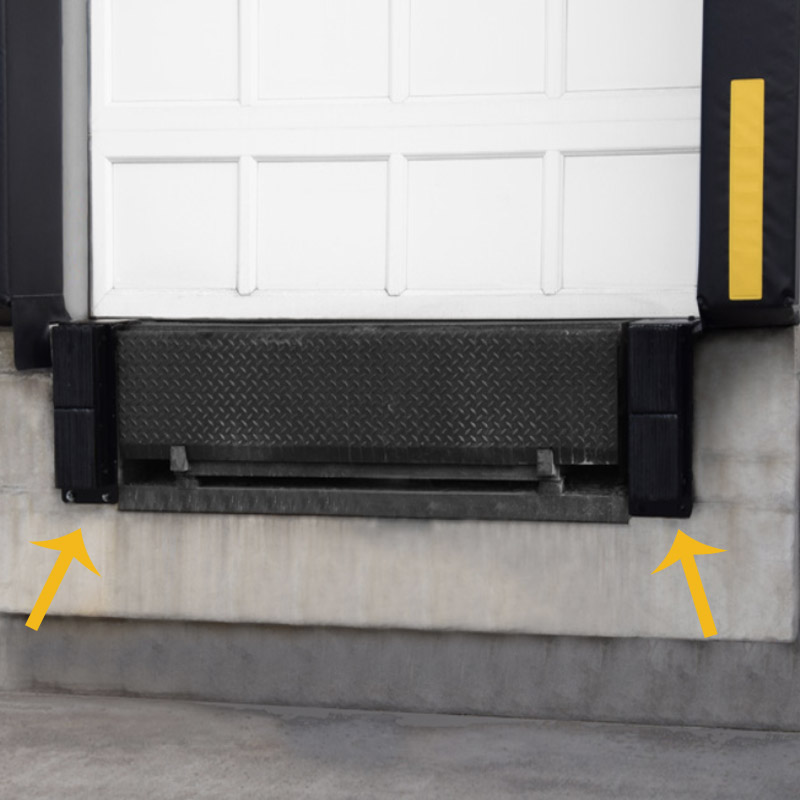 Can a Loading Dock Bumper Survive -30°C Winters and +50°C Summers? Here Is the Extreme-Weather Data
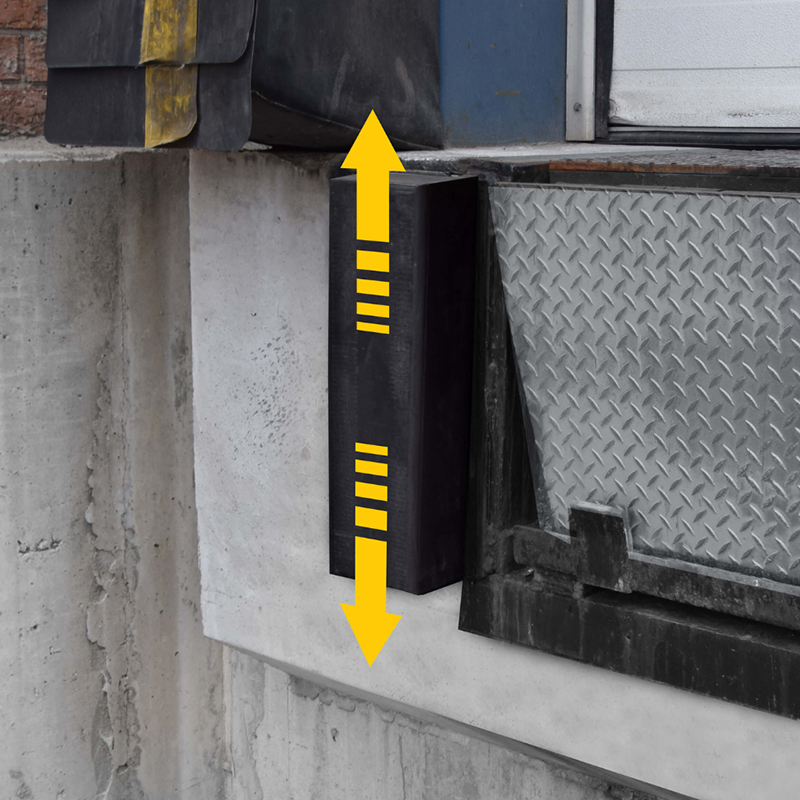 Are Your Dock Bumpers Specified for the Wrong Impact Profile? Why a Loading Dock Bumper with a Steel Face Outperforms in Real Traffic