
Discover the innovative Spoiler Rubber Dam technology. Learn how this efficient hydraulic structure provides precise water level control with lower energy requirements. Perfect for irrigation, environmental projects, and water management systems.

What is a Spoiler Rubber Dam?
A Spoiler Rubber Dam is a specialized type of inflatable rubber dam characterized by its unique, integrated "spoiler" or baffle plate system. Unlike conventional cylindrical rubber dams, this design features a built-in rigid or semi-rigid element that optimizes flow characteristics and enhances structural stability. Combining the flexibility of reinforced rubber with the hydrodynamic advantages of engineered baffles, Spoiler Rubber Dams offer superior performance in precise water level regulation, energy dissipation, and operational efficiency for various hydraulic applications.
Technical Design and Core Components
The innovative design of the Spoiler Rubber Dam integrates several key elements:
Main Rubber Bladder: A high-strength, multi-layered fabric-reinforced rubber tube (typically EPDM-based) that forms the primary water-retaining barrier.
Integrated Spoiler/Baffle System: A rigid or reinforced plate permanently attached to the downstream side of the rubber bladder. This spoiler can be made of stainless steel, aluminum, or reinforced composite materials.
Anchoring and Foundation System: Reinforced concrete foundation with specialized anchorages designed to withstand the additional hydraulic forces created by the spoiler effect.
Inflation/Deflation Mechanism: Air or water filling system with control valves, pumps, and piping integrated with the baffle structure.
Protective and Sealing Elements: Specialized end seals, protective coatings, and impact-resistant layers designed to work with the spoiler configuration.
Operational Mechanism
Raised Position: When inflated, the main rubber bladder rises while the integrated spoiler plate extends downstream. The spoiler creates controlled turbulence and optimizes the water's flow pattern over the structure.
Flow Regulation: Water flows over both the rubber bladder and the spoiler plate, with the spoiler helping to stabilize the nappe (the sheet of water flowing over the dam) and prevent oscillations.
Lowered Position: During deflation, the entire structure collapses flat, with the spoiler plate designed to fold or settle in a way that doesn't impede sediment or debris passage.
Key Advantages of Spoiler Rubber Dams
Enhanced Hydraulic Performance: The spoiler plate improves flow characteristics, reduces vibrations, and minimizes the risk of damaging resonance that can occur with conventional rubber dams.
Superior Energy Dissipation: Integrated design provides better energy dissipation at the toe of the dam, reducing the need for additional stilling basins and minimizing downstream erosion.
Increased Structural Stability: The spoiler acts as a stabilizing element, reducing oscillations and improving performance under high-velocity flow conditions.
Improved Sediment Management: The design promotes better sediment passage when deflated and can be configured to optimize sediment distribution patterns.
Reduced Maintenance Requirements: More stable operation leads to less wear and tear, while the spoiler can protect the rubber bladder from direct impact of floating debris.
Lower Operating Pressures: The spoiler's aerodynamic effect can allow for lower internal pressures to maintain the same crest height, resulting in energy savings and reduced stress on the rubber membrane.
Why Choose a Spoiler Rubber Dam?
Selecting a Spoiler Rubber Dam provides specific advantages for challenging hydraulic applications:
For Sites with Hydraulic Instability Issues: Choose this design when conventional rubber dams experience problematic vibrations, fluttering, or inconsistent performance due to complex flow patterns.
For Projects Requiring Precise Hydraulic Control: The spoiler's stabilizing effect makes this design ideal for applications requiring exact water level maintenance, such as water supply intakes or irrigation headworks.
When Downstream Erosion is a Concern: The integrated energy dissipation capability makes Spoiler Rubber Dams preferable for sites where protecting downstream channels from scouring is critical.
For Locations with Variable Flow Conditions: The design performs well under both low and high flow conditions, maintaining stability across a wide operational range.
For Enhanced Safety in Critical Applications: The increased stability and controlled flow characteristics provide additional safety margins for important infrastructure projects.
Technical Specifications and Customization
Spoiler Rubber Dams are engineered to project-specific requirements:
Operational Heights: 0.5 to 4.0 meters
Span Lengths: Up to 100+ meters in continuous sections
Spoiler Configurations: Various angles, lengths, and materials
Control Systems: From manual to fully automated with remote monitoring
Material Options: Different rubber compounds and reinforcement materials based on environmental conditions
Applications
Irrigation and Water Supply Systems: Providing stable water level control for intake structures.
Environmental Flow Management: Maintaining precise water levels for ecological preservation.
Hydropower and Energy Projects: Efficient water regulation for small to medium hydro installations.
Flood Control Systems: Rapid deployment for temporary flood protection with improved stability.
Industrial Water Management: Process water control for manufacturing and treatment facilities.
Recreational Water Features: Creating stable water levels for lakes, ponds, and water parks.
Conclusion
The Spoiler Rubber Dam represents a significant advancement in inflatable dam technology, addressing common limitations of conventional designs through intelligent engineering. By integrating a spoiler or baffle system directly into the rubber dam structure, this innovative solution provides superior hydraulic performance, enhanced stability, and improved operational efficiency. While requiring slightly more complex engineering and fabrication, the long-term benefits of reduced maintenance, better performance under variable conditions, and increased safety make Spoiler Rubber Dams an excellent choice for demanding water control applications. For projects where precise hydraulic control, stability, and longevity are priorities, the Spoiler Rubber Dam offers a technically superior solution that balances innovation with practical performance.
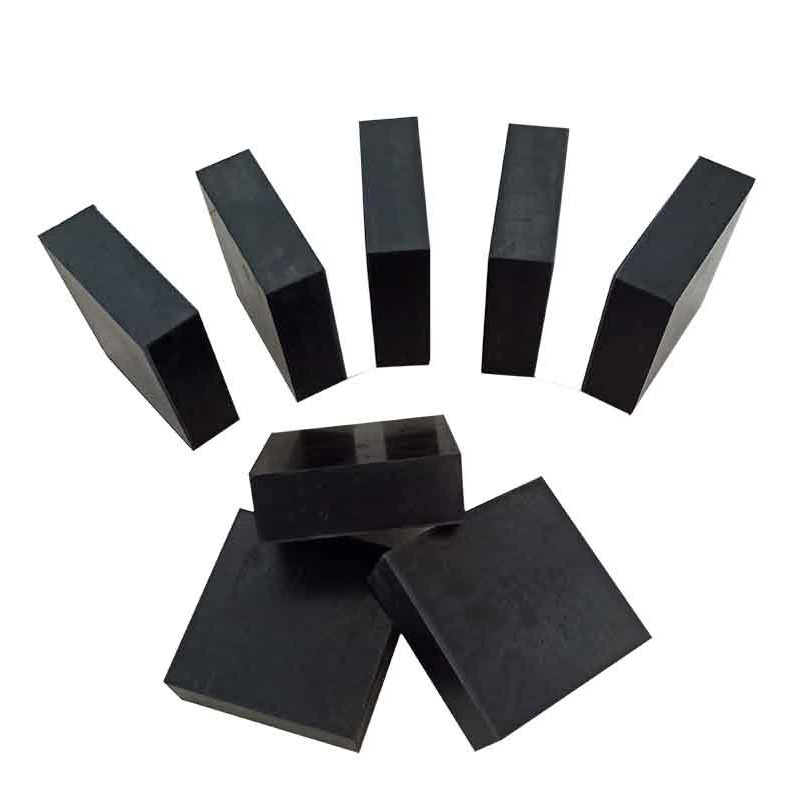 How Bridge Bearing Pad Standards Have Changed in 20 Years — and What Your Next Specification Must Include
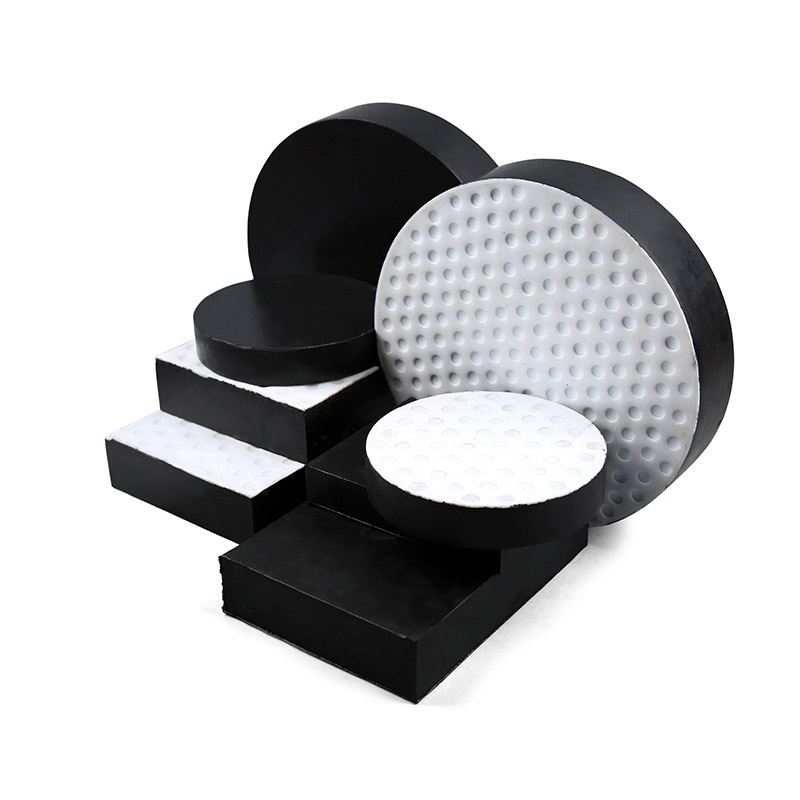 Plain vs. Steel-Laminated Bridge Bearing Pad: Which One Belongs on Your Structure?
 Specifying a Bridge Bearing Pad for 50 Years of Service: Rubber Grade, Shape Factor, and the Temperature Chart Most Buyers Skip
 We Replaced Our Bridge Bearing Pad Twice in Ten Years. The Third Time, We Changed the Spec Instead.