
Rubber waterstops are a critical component in many construction projects, particularly in waterproofing joints between concrete structures such as walls, floors, and slabs. These flexible, rubber-based materials act as barriers to prevent water ingress, ensuring the longevity and structural integrity of buildings, tunnels, bridges, and other infrastructure. While rubber waterstops are designed to be durable, they still require proper maintenance to function effectively over time. This blog will explore the essential maintenance requirements for rubber waterstops, highlighting why regular care is crucial and how to implement it correctly.
Understanding the Role of Rubber Waterstops
Before diving into maintenance, it’s essential to understand why rubber waterstops are used. These materials are installed at construction joints to seal gaps where concrete sections meet. Their primary function is to resist water pressure and prevent leaks, which could otherwise cause significant damage, including corrosion of reinforcement bars, mold growth, and structural instability. Rubber waterstops are chosen for their elasticity, which allows them to accommodate minor movements in the structure without compromising their sealing capabilities. However, this flexibility also means they can be susceptible to wear and tear if not properly maintained.
Environmental Factors and Their Impact
One of the primary reasons rubber waterstops require maintenance is exposure to environmental elements. Over time, UV radiation, extreme temperatures, moisture, and chemical exposure can degrade the rubber material. For instance, prolonged exposure to sunlight can cause the rubber to harden and crack, reducing its ability to seal effectively. Similarly, chemical exposure from groundwater or construction materials can accelerate deterioration. In regions with harsh winters, freeze-thaw cycles can also weaken the waterstop’s integrity. Regular maintenance helps identify and address these issues before they lead to severe structural problems.
Cleaning and Inspection Routines
A fundamental aspect of rubber waterstop maintenance is regular cleaning and inspection. Debris, dirt, and other contaminants can accumulate on the surface of the waterstop, potentially blocking its sealing edges or providing a breeding ground for mold and mildew. Cleaning should be done using mild, non-abrasive solutions to avoid damaging the rubber. Soft brushes or cloths are ideal for removing surface dirt. After cleaning, a thorough inspection should be conducted to check for signs of wear, such as cracks, tears, or hardening. Pay special attention to areas where the waterstop is bent or compressed, as these spots are more prone to damage.
Addressing Minor Repairs Promptly
Minor damages to rubber waterstops should never be ignored. Small cracks or tears can quickly escalate into larger issues if left unattended. For minor repairs, specialized rubber sealants or patches designed for waterstops can be used. These products are formulated to bond well with rubber materials and provide a flexible, waterproof repair. It’s crucial to follow the manufacturer’s instructions carefully when applying these repairs to ensure a durable fix. In cases where the damage is extensive or the waterstop is significantly aged, professional consultation may be necessary to determine if replacement is the best course of action.
Protecting Against Chemical Exposure
As mentioned earlier, chemical exposure can significantly shorten the lifespan of rubber waterstops. In environments where the waterstop may come into contact with aggressive chemicals, such as in industrial facilities or areas with contaminated groundwater, additional protective measures may be required. Applying a chemical-resistant coating or barrier can help shield the rubber from harmful substances. It’s also advisable to monitor the surrounding environment for any changes that could increase the risk of chemical exposure, such as nearby construction activities or spills.
The Importance of Proper Installation
While not strictly a maintenance task, proper installation plays a vital role in the longevity of rubber waterstops. Incorrect installation can lead to premature failure, making subsequent maintenance more challenging and costly. Key considerations during installation include ensuring the waterstop is positioned correctly within the joint, avoiding over-compression or stretching, and using appropriate anchoring methods to keep it in place. Consulting with experienced professionals or referring to industry guidelines can help ensure a successful installation that minimizes future maintenance needs.
Long-Term Storage and Handling Guidelines
For rubber waterstops that are not immediately used or are stored for extended periods, proper handling and storage are essential to maintain their quality. Waterstops should be stored in a cool, dry place away from direct sunlight and sources of heat. They should be kept flat or rolled gently to prevent creasing or deformation. When handling waterstops, avoid sharp objects or tools that could puncture or tear the material. Following these guidelines helps preserve the waterstop’s elasticity and sealing capabilities until it’s ready for installation.
Conclusion
Rubber waterstops are an indispensable part of many construction projects, providing critical waterproofing protection to joints in concrete structures. However, their effectiveness relies heavily on regular maintenance. By understanding the role of rubber waterstops, recognizing the impact of environmental factors, implementing cleaning and inspection routines, addressing minor repairs promptly, protecting against chemical exposure, ensuring proper installation, and following long-term storage guidelines, property owners and construction professionals can extend the lifespan of these vital components and prevent costly water damage. Remember, prevention is always better than cure when it comes to maintaining the integrity of your structure’s waterproofing system. Regular maintenance is a small investment that can yield significant returns in terms of safety, durability, and peace of mind.
 Is Your Dock Bumper Damaging Your Trailers? How Laminated Rubber with Steel Corners Protects Both Sides
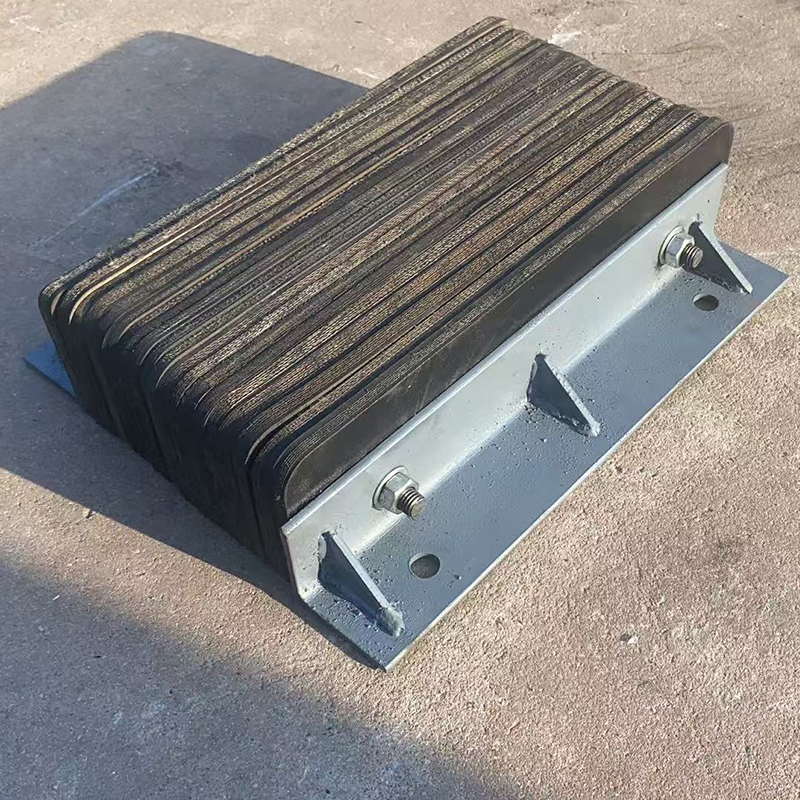 Can a Laminated Rubber Dock Bumper Handle Both Heavy Trucks and Forklift Traffic?
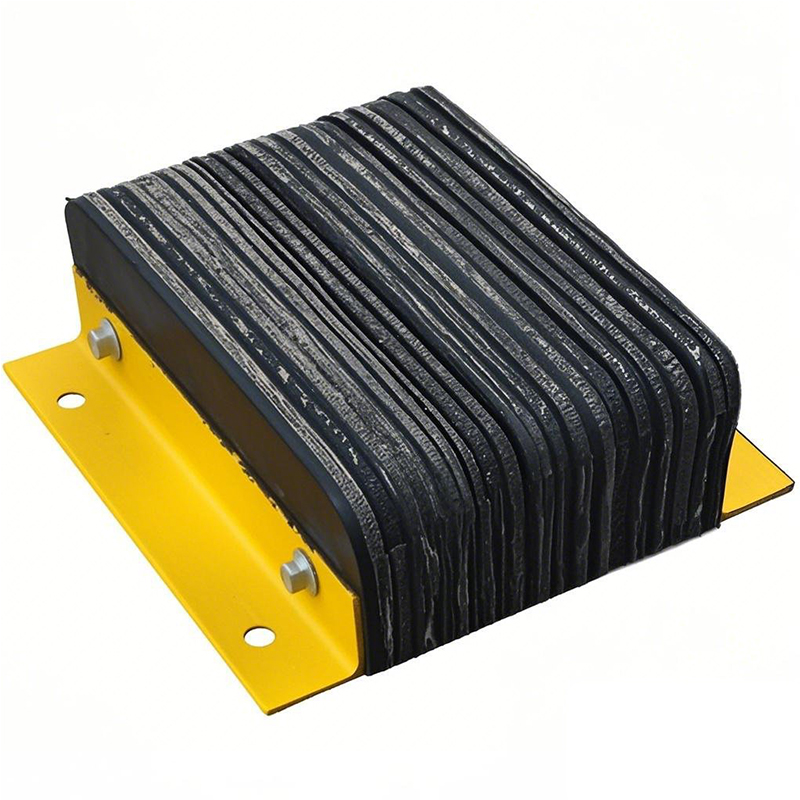 How Does a Laminated Rubber Dock Bumper Protect Your Facility Better Than Solid Rubber?
 Are You Still Using Solid Rubber? Why a Laminated Rubber Dock Bumper with Steel Corners Is the Smarter Investment?