Discover how a
Laminated Rubber Dock Bumper with steel corners withstands mixed-use impacts from semi-trailers, forklifts, and pallet jacks. Ideal for busy warehouses with diverse vehicle types.
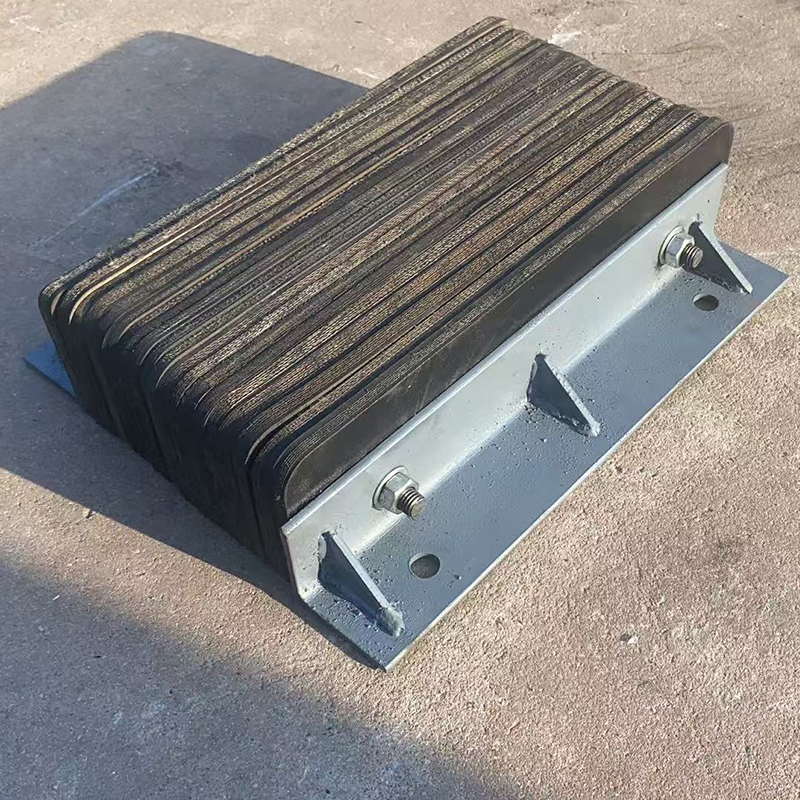
Mixed Fleet, One Solution: Why Laminated Rubber Dock Bumpers Excel in Multi-Vehicle Environments
Modern loading docks rarely serve a single vehicle type. Within a single shift, a dock position may see 80,000-pound semi-trailers backing in, forklifts maneuvering with loaded pallets, and hand-pushed pallet jacks navigating tight spaces. Each vehicle type delivers a different impact profile: heavy, slow compression from trailers; sharp, concentrated strikes from forklift masts; and repetitive minor bumps from manual equipment. The Laminated Rubber Dock Bumper with steel corner reinforcement is uniquely suited to handle this full spectrum of threats.
The Multi-Load Challenge: Why One Material Isn't Enough
A solid rubber bumper designed to absorb a heavy trailer impact will feel overly stiff to a lightweight pallet jack, transmitting unnecessary shock. Conversely, a soft bumper comfortable for pedestrian equipment will bottom out and transfer full force to the building when a fully loaded semi-trailer contacts it. The laminated construction solves this dilemma through graduated stiffness.
Each rubber layer in a laminated bumper has a defined compression modulus. Under light loads, only the outermost layers compress, providing a soft response for small equipment. As the impact force increases, deeper layers engage progressively, stiffening the bumper to handle heavier loads without bottoming out. This variable-rate response makes the Laminated Rubber Dock Bumper inherently adaptive to different vehicle weights.
Steel Corners: Not Just for Trailers
The steel corner reinforcement serves a dual purpose in mixed-traffic environments:
Against Semi-Trailers: The steel plates prevent the rubber from being pinched and torn when a trailer corner catches the bumper edge during angled backing.
Against Forklifts: Forklift masts and carriage edges are sharp and unforgiving. The steel armor prevents gouging and slicing that would quickly destroy an unprotected rubber corner.
Against Pallet Jacks: Repeated minor impacts from pallet jack wheels and frames gradually erode rubber edges. Steel corners eliminate this cumulative wear mechanism entirely.
Performance Observations from Mixed-Use Facilities
Distribution centers serving both over-the-road trucking and internal material handling report consistent findings after switching to laminated bumpers with steel corners:
Uniform Wear Patterns: Unlike solid rubber bumpers that develop localized depressions from specific vehicle types, laminated bumpers show even surface wear across the entire face, indicating balanced load distribution.
Reduced Column Damage: Corner columns protected by steel-armored laminated bumpers exhibit fewer cracks and spalls in the concrete base, as the bumper absorbs and spreads impact forces more effectively than solid rubber.
Consistent Dock Leveler Alignment: Facilities note that overhead doors and dock levelers maintain proper alignment longer when laminated bumpers are installed, because the bumpers do not compress unevenly over time.
Design Features That Matter for Mixed Fleets
When selecting a Laminated Rubber Dock Bumper for a multi-vehicle dock, prioritize these specifications:
| Feature |
Why It Matters for Mixed Traffic |
| Laminate count per inch |
More layers = finer graduation of stiffness for different vehicle weights |
| Steel corner wrap extent |
Full corner coverage protects against both heavy trailer scrape and sharp forklift contact |
| Bolt pattern density |
Four or more bolts prevent shifting under asymmetric loads from angled impacts |
| Rubber durometer range |
Shore A 65-75 provides optimal balance between soft response and heavy-load capacity |
| Fabric reinforcement type |
High-tenacity polyester interlayers resist stretching under repeated flexing |
Installation Strategies for High-Traffic Positions
Not all dock positions experience the same mix of vehicles. Tailor your installation approach accordingly:
Primary Receiving Doors: These see the heaviest trailer traffic plus constant forklift activity. Install the largest available laminated bumper with full steel corner wraps on all four edges.
Shipping Doors: Forklift traffic dominates here, with occasional trailer contact. Standard laminated bumpers with steel corners on the two vertical edges provide adequate protection.
Cross-Dock Positions: These positions experience the widest variety of impact angles due to multiple trailer configurations. Use bumpers with extended steel corner plates that wrap around both the front face and side edges.
Interior Column Protectors: For columns inside the warehouse that are struck by forklifts only, a thinner laminated bumper with steel corners offers protection without protruding excessively into aisles.
Maintenance Considerations for Long-Term Performance
A well-designed laminated bumper requires minimal maintenance, but a simple inspection routine ensures maximum service life:
Monthly Visual Check: Look for any separation between the rubber layers or between the rubber and steel plates. Early detection of delamination allows for replacement before complete failure.
Quarterly Bolt Torque Verification: Impact forces can loosen mounting bolts over time. Check torque values and retighten as needed to maintain a firm connection to the structure.
Annual Surface Assessment: Measure the remaining rubber thickness at the most worn point. If the rubber has compressed to less than 60% of its original thickness, consider replacement before the steel corners contact the building structure.
Environmental Adaptability
The laminated construction also offers advantages in challenging environmental conditions:
Cold Storage Facilities: The layered design resists the embrittlement that affects solid rubber in freezer environments. Each layer flexes independently, preventing the cracking that occurs when a monolithic block freezes.
Outdoor Docks: UV radiation and ozone degrade rubber surfaces over time. Laminated bumpers with replaceable outer layers allow the sacrificial surface to be renewed without replacing the entire assembly.
Wash-Down Areas: The steel corners on quality bumpers are hot-dip galvanized to resist corrosion from frequent water exposure and chemical cleaning agents.
Conclusion

 How Much Load Can a Bridge Bearing Pad Actually Carry? Engineering Data for Safe Girder Support
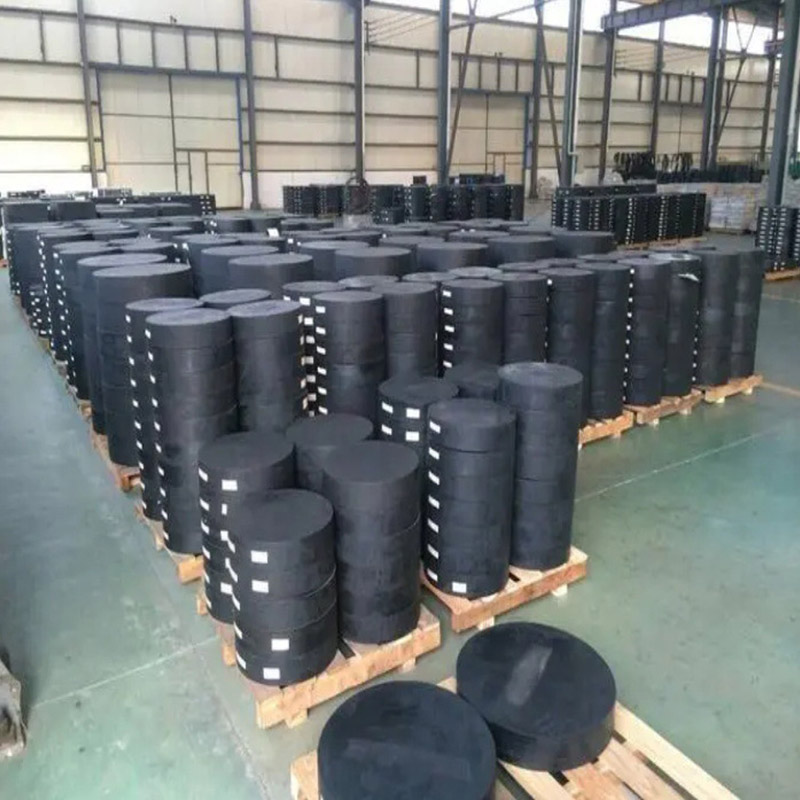 Is Your Bridge Bearing Pad Specified for the Wrong Rubber Grade? Why Elastomeric Bridge Bearing Pad Selection Decides 50-Year Deck Life
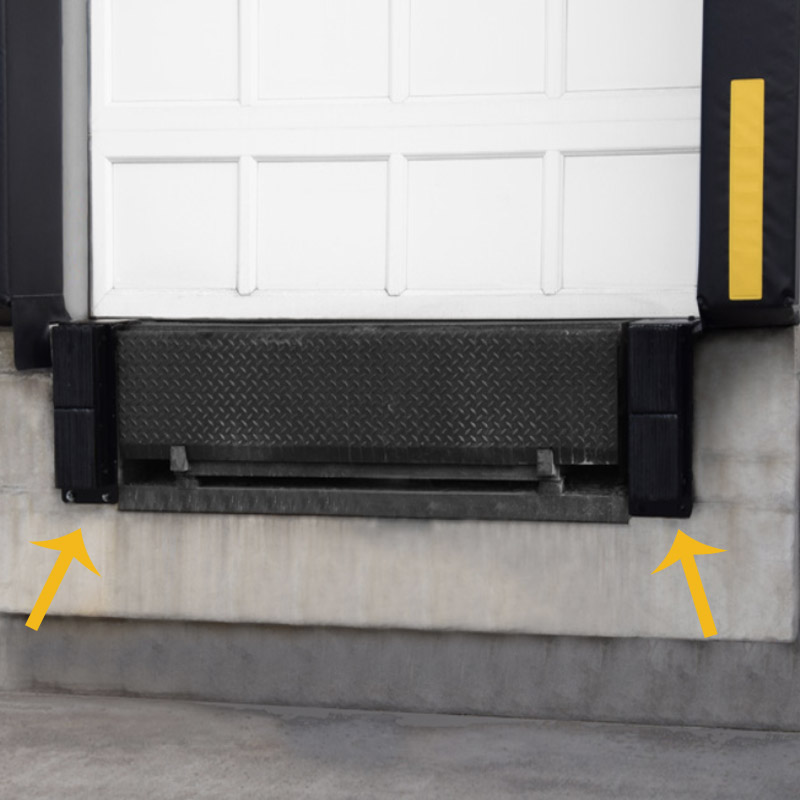 Can a Loading Dock Bumper Survive -30°C Winters and +50°C Summers? Here Is the Extreme-Weather Data
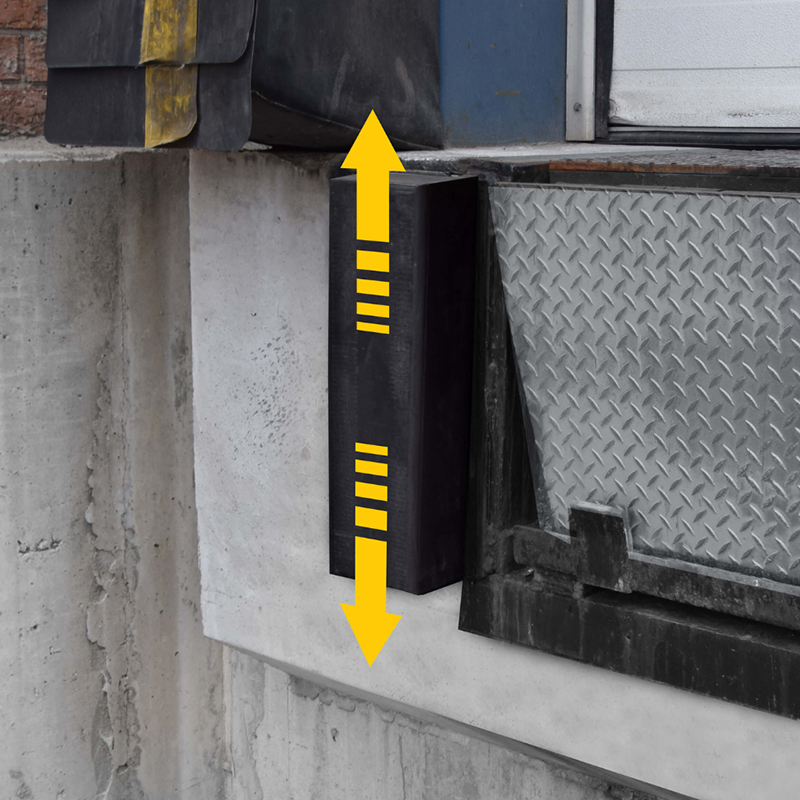 Are Your Dock Bumpers Specified for the Wrong Impact Profile? Why a Loading Dock Bumper with a Steel Face Outperforms in Real Traffic