
The railway industry, a cornerstone of modern transportation, is constantly evolving to enhance safety, efficiency, and comfort. With the advancements in technology and materials science, various innovative solutions are being explored to improve different aspects of railway operations. One such innovation that has garnered attention is the use of rubber pneumatic bags. These versatile devices, primarily known for their applications in industries ranging from automotive to aerospace, present intriguing possibilities for railway systems as well. This article delves into the potential of utilizing rubber pneumatic bags in railway applications, examining their benefits, challenges, and areas where they could make a significant impact.
Understanding Rubber Pneumatic Bags
Rubber pneumatic bags, also known as airbags or inflatable bladders, are flexible, durable structures made from high-quality rubber or elastomeric materials. They are designed to inflate and deflate rapidly in response to changes in air pressure, making them highly adaptable for various mechanical and structural applications. These bags can withstand extreme conditions, including high temperatures, moisture, and abrasive environments, making them suitable for use in demanding industries.
In their most basic form, rubber pneumatic bags consist of a rubber bladder enclosed within a protective outer layer. When pressurized air is introduced into the bladder, it expands, exerting force on surrounding structures. Conversely, when the air pressure is released, the bag deflates, allowing for easy manipulation and storage. This simple yet effective mechanism makes rubber pneumatic bags ideal for applications requiring rapid and controlled movement or support.
Potential Applications in Railway Systems
The railway industry could benefit from the versatility and adaptability of rubber pneumatic bags in several ways. Here are some potential applications:
Track Maintenance and Adjustment:
Railway tracks require regular maintenance to ensure safe and smooth operation. Rubber pneumatic bags could be used to adjust track alignment and level, particularly in areas prone to settlement or subsidence. By inflating or deflating the bags strategically placed beneath the track, maintenance crews can quickly and efficiently make minor adjustments, reducing the need for more invasive and time-consuming repairs.
Shock Absorption and Vibration Damping:
The dynamic nature of railway operations subjects trains and tracks to significant forces and vibrations. Rubber pneumatic bags can act as shock absorbers, reducing the impact of these forces on both the rolling stock and the infrastructure. This can lead to improved passenger comfort, reduced wear and tear on equipment, and extended lifespan of railway components.
Emergency Braking Systems:
Safety is paramount in railway operations. Rubber pneumatic bags could be integrated into emergency braking systems, providing an additional layer of protection. In the event of a malfunction or emergency, the bags could rapidly inflate, applying pressure to the brake pads or wheels, bringing the train to a safe stop.
Coupler Cushioning:
Train couplers connect carriages and ensure smooth transition during movement. Rubber pneumatic bags can be used as cushioning elements within couplers, absorbing impacts and reducing the risk of damage during coupling and uncoupling operations. This can enhance the overall safety and reliability of train connections.
Load Stabilization:
In freight trains, securing and stabilizing loads is crucial to prevent shifting and potential derailments. Rubber pneumatic bags can be employed to secure cargo, adapting to different load sizes and shapes by inflating or deflating as needed. This can improve load stability and reduce the risk of accidents.
Benefits of Using Rubber Pneumatic Bags
The adoption of rubber pneumatic bags in railway applications offers several advantages:
Rapid Response: The ability to inflate and deflate quickly makes rubber pneumatic bags highly effective in applications requiring immediate action, such as emergency braking or track adjustment.
Durability and Reliability: Made from high-quality materials, rubber pneumatic bags can withstand the harsh conditions of railway environments, ensuring long-term performance and reliability.
Versatility: The adaptability of rubber pneumatic bags allows them to be used in various applications, from shock absorption to load stabilization, making them a versatile solution for railway systems.
Cost-Effectiveness: By reducing the need for more invasive maintenance and repairs, rubber pneumatic bags can help lower operational costs and extend the lifespan of railway infrastructure and rolling stock.
Enhanced Safety: The use of rubber pneumatic bags in emergency braking systems and load stabilization can significantly improve railway safety, protecting passengers, cargo, and infrastructure.
Challenges and Considerations
Despite their potential benefits, the use of rubber pneumatic bags in railway applications is not without challenges. Some key considerations include:
Integration with Existing Systems: Integrating rubber pneumatic bags into existing railway infrastructure and rolling stock may require modifications and customization, which can be complex and costly.
Regulatory Compliance: The railway industry is heavily regulated, and any new technology must meet stringent safety and performance standards. Ensuring compliance may require extensive testing and certification.
Maintenance and Inspection: Regular maintenance and inspection of rubber pneumatic bags are essential to ensure their proper functioning and reliability. This may require specialized training and equipment.
Environmental Impact: The disposal of rubber pneumatic bags at the end of their lifespan must be managed responsibly to minimize environmental impact.
The use of rubber pneumatic bags in railway applications presents an exciting opportunity to enhance safety, efficiency, and comfort in the railway industry. These versatile devices offer numerous potential benefits, from track maintenance and adjustment to shock absorption and emergency braking. However, their integration into existing systems must be carefully considered, taking into account regulatory requirements, maintenance needs, and environmental impact.
As the railway industry continues to evolve, the adoption of innovative technologies like rubber pneumatic bags could play a pivotal role in shaping the future of transportation. By addressing the challenges and leveraging the benefits, railway operators can harness the power of these versatile devices to improve operational efficiency, enhance passenger experience, and ensure the safe and reliable movement of goods and people.
In summary, while the use of rubber pneumatic bags in railway applications is still in the exploratory stage, their potential to revolutionize various aspects of railway operations is undeniable. With further research, development, and collaboration between industry stakeholders, rubber pneumatic bags could become a valuable addition to the railway industry's toolbox, driving innovation and progress in the years to come.
 Is Your Dock Bumper Damaging Your Trailers? How Laminated Rubber with Steel Corners Protects Both Sides
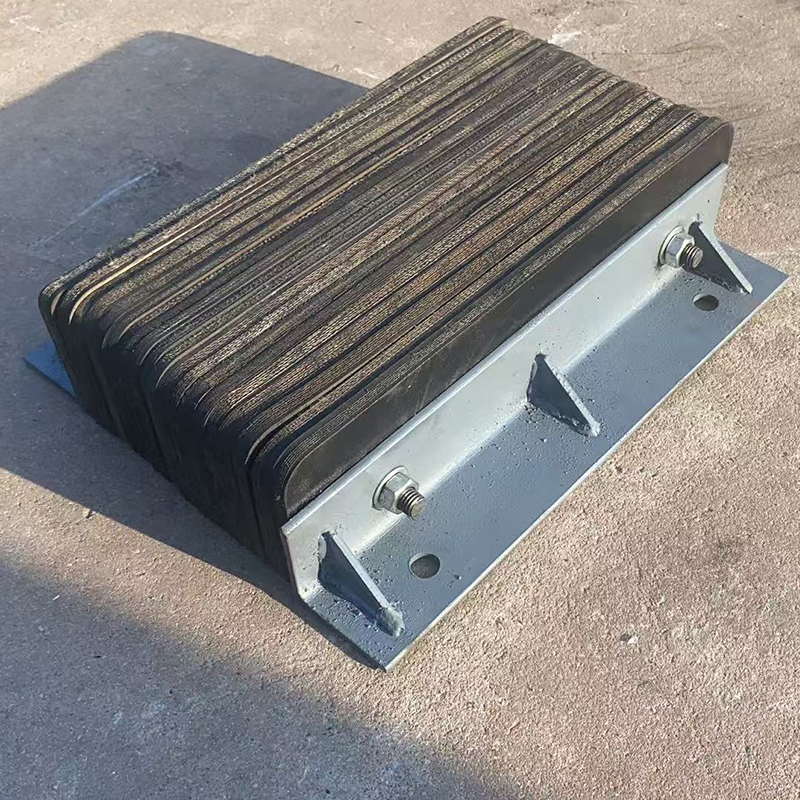 Can a Laminated Rubber Dock Bumper Handle Both Heavy Trucks and Forklift Traffic?
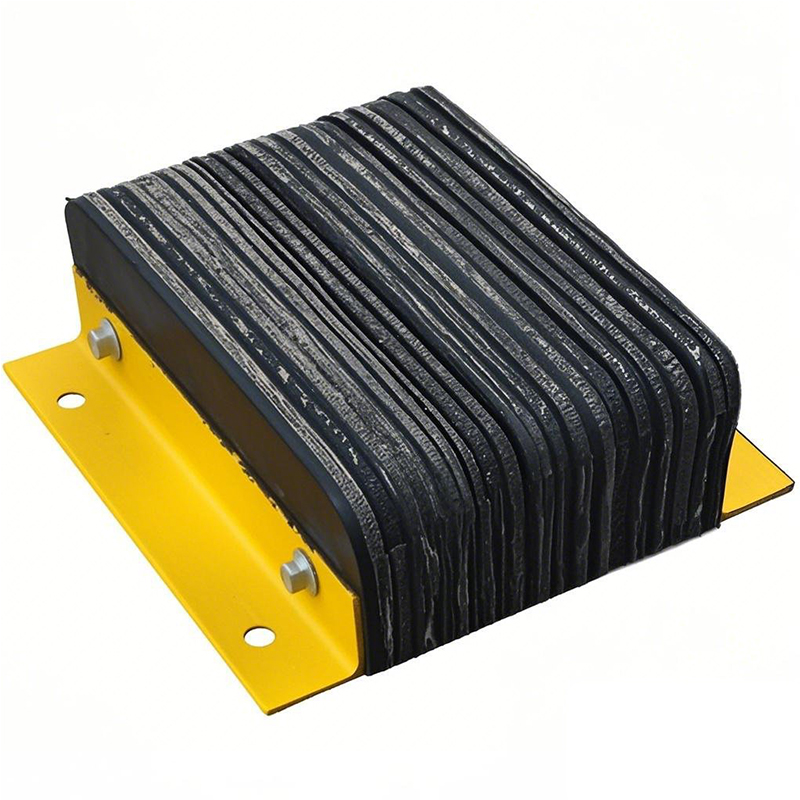 How Does a Laminated Rubber Dock Bumper Protect Your Facility Better Than Solid Rubber?
 Are You Still Using Solid Rubber? Why a Laminated Rubber Dock Bumper with Steel Corners Is the Smarter Investment?