
When it comes to designing or selecting a rubber pneumatic bag for various industrial or commercial applications, one of the critical decisions you'll need to make is choosing the right texture for the rubber material. The texture of the rubber can significantly impact the bag's performance, durability, and suitability for its intended use. Whether you're using the pneumatic bag for lifting, clamping, pressing, or any other application, understanding the importance of texture and how to choose the right one is essential.
Understanding the Role of Texture in Rubber Pneumatic Bags
Texture in rubber refers to the surface finish or pattern of the material. It can range from smooth and slick to rough and gritty, with various degrees of tactile feedback in between. The texture of a rubber pneumatic bag influences several aspects of its functionality:
Grip and Friction: The texture can affect how well the bag grips the surface it's in contact with. A rougher texture may provide better grip, preventing slippage during operation.
Wear Resistance: Certain textures can enhance the bag's resistance to wear and tear, prolonging its lifespan.
Flexibility and Stretch: The texture can influence the rubber's flexibility and ability to stretch, which are crucial for the bag's performance under pressure.
Aesthetic Appeal: Although functionality is paramount, the texture can also contribute to the bag's overall appearance, which may be important for certain applications.
Environmental Resistance: Some textures may offer better resistance to environmental factors such as moisture, chemicals, or UV radiation.
Factors to Consider When Choosing the Right Texture
Choosing the right texture for your rubber pneumatic bag involves evaluating several factors related to the bag's intended use and operating environment. Here are some key considerations:
Application Requirements:
Lifting and Clamping: If the bag is used for lifting or clamping, a texture that provides excellent grip is essential to prevent slippage.
Pressing: For pressing applications, a smoother texture might be preferable to ensure even pressure distribution.
Vibration Damping: In applications where vibration damping is needed, a texture that absorbs and dissipates energy effectively can be beneficial.
Surface Compatibility:
Consider the surface the bag will be in contact with. A rough texture may be suitable for uneven or textured surfaces, while a smooth texture might work better on smooth, polished surfaces.
Environmental Conditions:
Moisture: If the bag will be exposed to moisture, choose a texture that maintains its grip even when wet.
Chemicals: For applications involving chemicals, select a texture that is resistant to chemical degradation.
Temperature: The texture should remain stable and effective over the temperature range the bag will operate in.
Durability and Longevity:
Evaluate the expected lifespan of the bag and choose a texture that can withstand the wear and tear associated with its use.
Consider the frequency of use and the intensity of the operations the bag will be subjected to.
Maintenance and Cleaning:
Some textures may be easier to clean and maintain than others. Consider how the texture will affect the bag's upkeep over time.
Common Textures for Rubber Pneumatic Bags
Here are some common textures you might encounter when selecting a rubber pneumatic bag:
Smooth Finish:
Provides a sleek, uniform appearance.
Suitable for applications requiring even pressure distribution.
May be less effective in providing grip on uneven surfaces.
Ribbed or Grooved Texture:
Offers enhanced grip and traction.
Can help channel away moisture or debris.
Suitable for lifting and clamping applications where slip resistance is crucial.
Diamond Pattern:
Provides a balance between grip and flexibility.
Often used in applications where the bag needs to conform to curved or irregular surfaces.
Matte or Slightly Rough Texture:
Offers a good compromise between smooth and ribbed textures.
Provides adequate grip without being overly aggressive.
Custom Textures:
For specialized applications, custom textures can be designed to meet specific performance requirements.
May include combinations of different patterns or finishes to achieve desired characteristics.
Testing and Evaluation
Before finalizing your choice of texture, it's essential to conduct thorough testing and evaluation. Here are some steps you can take:
Sample Testing:
Obtain samples of rubber with different textures.
Test the samples in conditions that simulate the bag's intended use.
Evaluate performance in terms of grip, wear resistance, flexibility, and environmental resistance.
Consult with Manufacturers:
Work with rubber manufacturers or suppliers who have experience in the industry.
Seek their input on the most suitable textures for your specific application.
Field Trials:
If possible, conduct field trials with prototype bags featuring different textures.
Gather feedback from operators and end-users to assess the effectiveness of each texture.
Cost-Benefit Analysis:
Consider the cost implications of different textures.
Weigh the potential benefits in terms of performance and longevity against the cost.
Choosing the right texture for a rubber pneumatic bag is a critical decision that can significantly impact the bag's performance and suitability for its intended use. By understanding the role of texture, evaluating the factors that influence your choice, and conducting thorough testing and evaluation, you can select a texture that meets your specific requirements. Whether you're looking for enhanced grip, improved wear resistance, or better environmental resistance, the right texture can make all the difference in the effectiveness and longevity of your rubber pneumatic bag. Take the time to carefully consider your options and work with experienced manufacturers to ensure you make an informed decision that delivers the best results for your application.
 Is Your Dock Bumper Damaging Your Trailers? How Laminated Rubber with Steel Corners Protects Both Sides
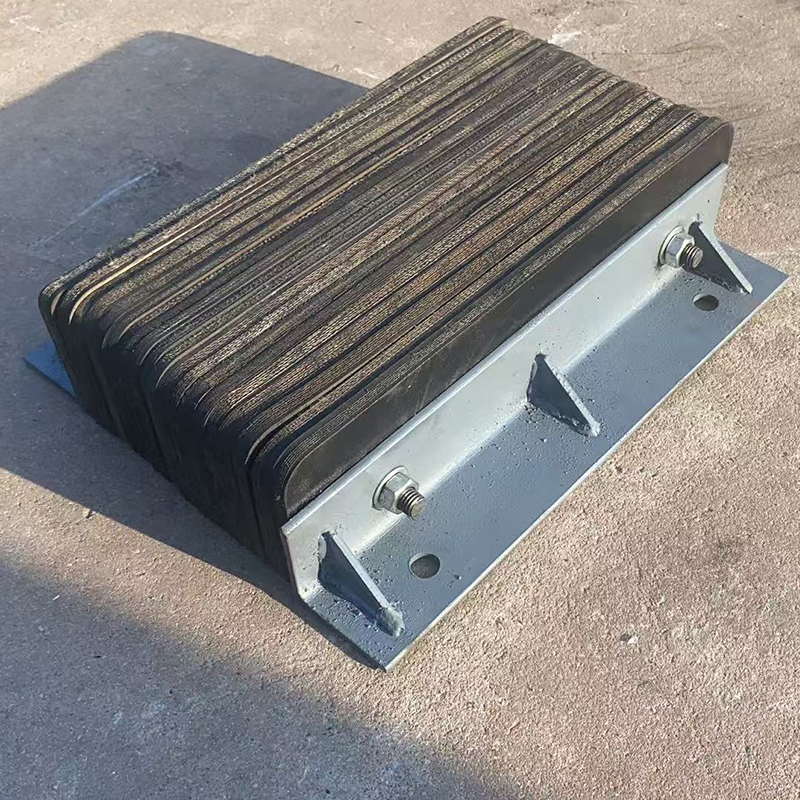 Can a Laminated Rubber Dock Bumper Handle Both Heavy Trucks and Forklift Traffic?
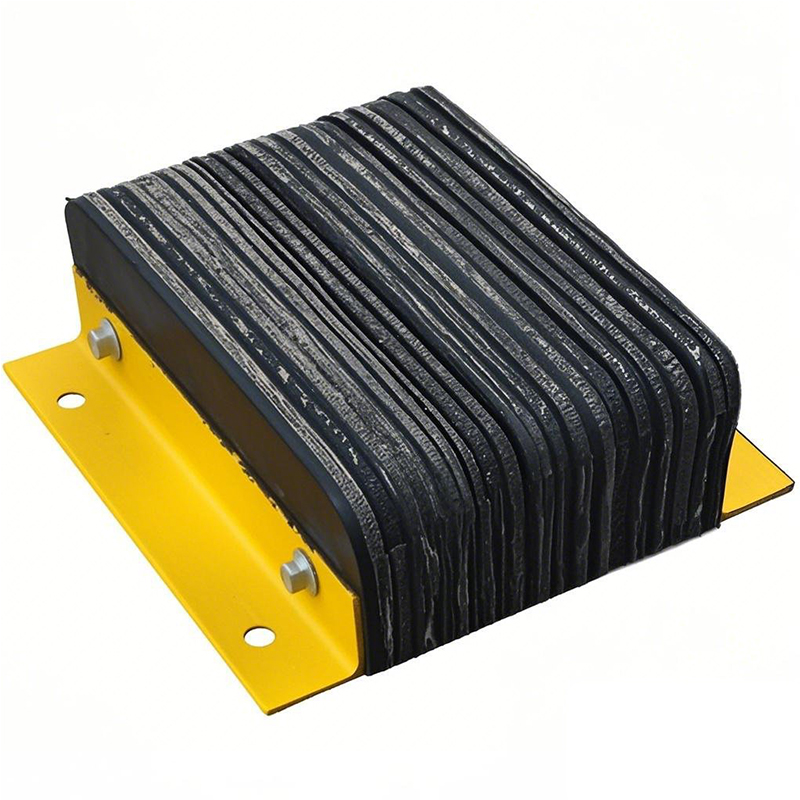 How Does a Laminated Rubber Dock Bumper Protect Your Facility Better Than Solid Rubber?
 Are You Still Using Solid Rubber? Why a Laminated Rubber Dock Bumper with Steel Corners Is the Smarter Investment?