
In the realm of packaging and material handling, the terms "rubber pneumatic bag" and "air cushion" are often used, sometimes interchangeably, yet they serve distinct purposes and possess unique characteristics. Understanding the differences between these two can be crucial for selecting the right tool for the job, whether it's protecting fragile items during transit, providing cushioning for heavy equipment, or facilitating easy handling and storage. This article delves into the intricacies of rubber pneumatic bags and air cushions, exploring their construction, applications, advantages, and limitations.
Rubber Pneumatic Bags: A Versatile Tool for Heavy-Duty Applications
Rubber pneumatic bags, also known as inflatable rubber bags or air bags, are robust and durable devices primarily designed for heavy-lifting and stabilizing tasks. Constructed from high-quality rubber or reinforced rubber materials, these bags are engineered to withstand significant pressure and weight, making them ideal for industrial and commercial use.
Construction and Design
Rubber pneumatic bags typically feature a multi-layered structure. The outer layer is made of tough rubber that resists abrasions, punctures, and tears. This layer is often reinforced with fabric or other strengthening materials to enhance its load-bearing capacity. Inside, there may be additional layers to ensure airtight sealing and to prevent leakage.
The bags are equipped with valves that allow for easy inflation and deflation. These valves are designed to be secure and reliable, ensuring that the bag maintains its pressure over extended periods. Some advanced models may even incorporate pressure relief valves to prevent over-inflation and potential rupture.
Applications
Rubber pneumatic bags find their primary applications in industries where heavy loads need to be lifted, moved, or stabilized. They are commonly used in:
Construction: To lift and position heavy structures such as beams, columns, and concrete panels.
Transportation: To secure cargo in place, preventing shifting and damage during transit.
Aerospace: For lifting and positioning aircraft components during maintenance and assembly.
Manufacturing: To stabilize machinery and equipment during installation or repair.
Advantages
High Load Capacity: Rubber pneumatic bags can support extremely heavy loads, making them suitable for a wide range of industrial applications.
Durability: The rugged construction ensures that the bags can withstand harsh environments and repeated use.
Versatility: They can be used in various configurations and orientations, adapting to different lifting and stabilizing needs.
Cost-Effective: Compared to traditional lifting methods, such as cranes or forklifts, rubber pneumatic bags can be a more economical solution.
Limitations
Despite their advantages, rubber pneumatic bags do have some limitations:
Weight and Bulk: They can be quite heavy and bulky, making them less convenient for storage and transportation when not in use.
Complexity in Use: Inflating and deflating the bags requires specialized equipment and knowledge, which may not be readily available in all settings.
Maintenance: Regular inspection and maintenance are necessary to ensure the bags remain in good working condition.
Air Cushions: The Gentle Touch for Fragile Items
Air cushions, on the other hand, are lightweight, flexible, and designed primarily for protective packaging. They are made from thin, airtight plastic films and are filled with air to provide cushioning and shock absorption for fragile or delicate items.
Construction and Design
Air cushions are typically produced using a process called air pillow machine extrusion. This involves heating and forming plastic film into a series of connected air chambers. These chambers can be customized in size, shape, and thickness to suit different packaging needs.
The chambers are sealed airtight to prevent air leakage. Some air cushions may feature perforations or valves that allow for easy adjustment of the air pressure, although this is less common in standard packaging applications.
Applications
Air cushions are widely used in the e-commerce, retail, and logistics industries for protecting products during shipping and handling. They are particularly effective for:
Electronics: Cushioning delicate devices such as smartphones, tablets, and laptops.
Glassware and Ceramics: Providing shock absorption for fragile items like vases, plates, and bowls.
Cosmetics: Protecting bottles and jars from breakage.
Apparel and Textiles: Preventing creasing and damage to clothing and fabrics.
Advantages
Lightweight and Compact: Air cushions are easy to store and transport, making them ideal for businesses with limited space.
Cost-Effective: They are a relatively inexpensive packaging solution, especially when compared to foam, bubble wrap, or other protective materials.
Customizable: Air cushions can be tailored to fit the specific dimensions and requirements of the products being packaged.
Environmental Benefits: Made from recyclable materials, air cushions offer a more sustainable packaging option.
Limitations
While air cushions are highly effective for their intended purpose, they do have some drawbacks:
Load Capacity: They are not suitable for supporting heavy loads or providing structural stability.
Puncture Resistance: The thin plastic film can be easily punctured by sharp objects, compromising its protective capabilities.
Single-Use: Once deflated, air cushions cannot be reused, although they can be recycled.
Comparing Rubber Pneumatic Bags and Air Cushions
When comparing rubber pneumatic bags and air cushions, it's essential to consider the intended application, load requirements, and environmental impact. Rubber pneumatic bags are best suited for heavy-duty tasks that require significant load-bearing capacity and stability. They are durable, versatile, and can be used in a variety of industrial settings. However, they are heavier, more complex to use, and require regular maintenance.
Air cushions, on the other hand, are ideal for protective packaging applications where lightweight, flexible, and cost-effective solutions are needed. They are easy to store, transport, and customize, making them a popular choice for e-commerce and logistics businesses. However, they have limited load capacity, are susceptible to puncture, and are generally single-use.
In conclusion, the choice between a rubber pneumatic bag and an air cushion depends on the specific needs of the application. For heavy-lifting and stabilizing tasks, rubber pneumatic bags are the preferred choice. For protecting fragile items during shipping and handling, air cushions offer a lightweight and cost-effective solution. By understanding the differences between these two products, businesses can make informed decisions that optimize their operations and ensure the safe handling and transportation of their goods.
 Is Your Dock Bumper Damaging Your Trailers? How Laminated Rubber with Steel Corners Protects Both Sides
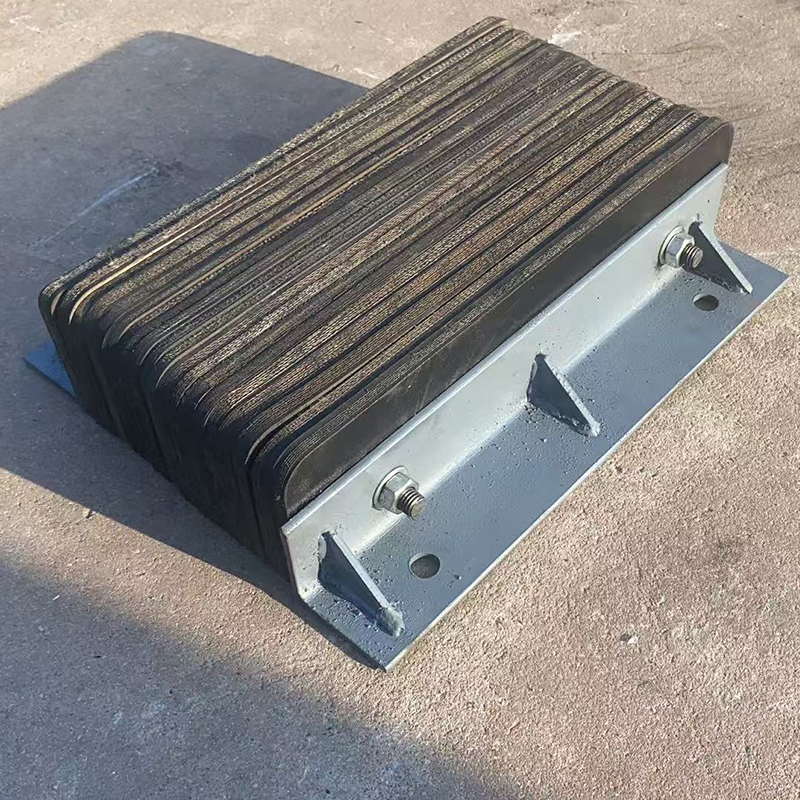 Can a Laminated Rubber Dock Bumper Handle Both Heavy Trucks and Forklift Traffic?
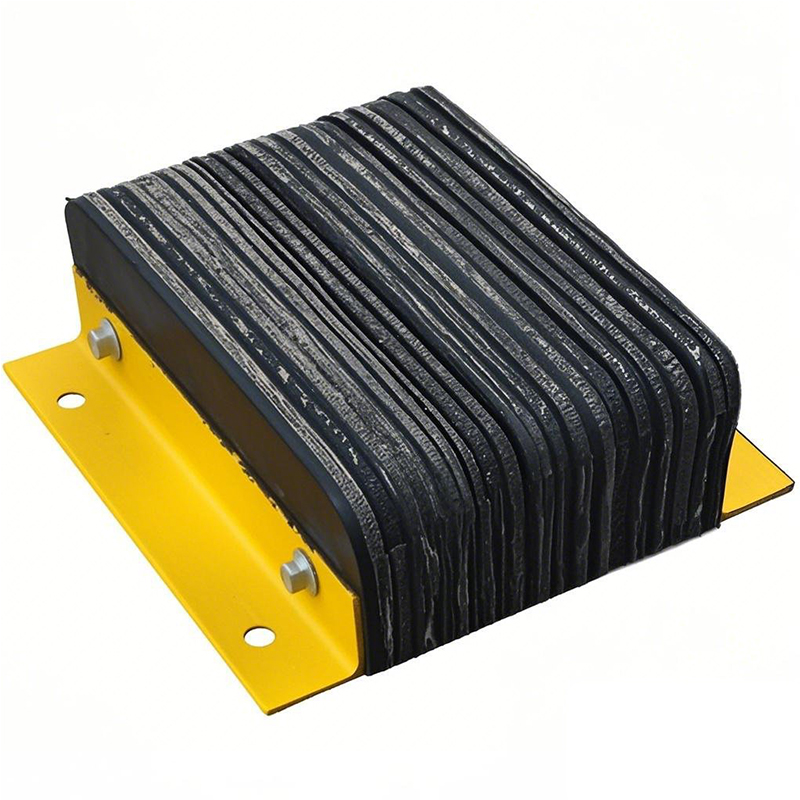 How Does a Laminated Rubber Dock Bumper Protect Your Facility Better Than Solid Rubber?
 Are You Still Using Solid Rubber? Why a Laminated Rubber Dock Bumper with Steel Corners Is the Smarter Investment?