
When it comes to industrial solutions, versatility and adaptability are often the keys to success. In sectors ranging from construction to marine engineering, professionals frequently encounter challenges that demand specialized tools or components. One such component that has gained attention for its adaptability is the inflatable airbag—a flexible, durable device designed to support, lift, or cushion heavy loads. But can these airbags truly be tailored to meet the unique demands of specific projects? The answer is a resounding yes. Below, we explore how customization transforms these inflatable solutions into indispensable assets across diverse industries.
The Foundation of Customization: Material and Durability
At the heart of any inflatable airbag’s performance lies its material composition. Standard models are typically crafted from reinforced rubber or synthetic fabrics, engineered to withstand extreme pressures, abrasion, and environmental factors like moisture or chemicals. However, projects operating in niche environments—such as offshore oil rigs or arctic construction sites—require materials that go beyond the basics.
For instance, airbags used in marine applications might incorporate coatings resistant to saltwater corrosion, while those deployed in cold climates could feature thermal insulation to prevent brittleness. Customization extends to the airbag’s structural integrity, too. Engineers can adjust the number of layers or the type of reinforcement (e.g., aramid fibers) to balance flexibility with load-bearing capacity. This ensures the airbag performs reliably, whether it’s stabilizing a pipeline or supporting a bridge during repairs.
Tailoring Size and Shape to Fit Unique Spaces
Not all projects operate within the constraints of standard dimensions. Imagine attempting to maneuver a prefabricated airbag into a narrow tunnel or beneath an irregularly shaped structure. This is where custom sizing becomes critical. By collaborating with manufacturers, teams can specify exact measurements, ensuring the airbag fits snugly into confined spaces without compromising functionality.
Shape customization is equally important. While cylindrical airbags are common, projects may require conical, rectangular, or even multi-chambered designs. For example, a construction crew lifting a curved architectural element might need an airbag with a tapered profile to distribute pressure evenly. Similarly, marine salvage operations could benefit from airbags with rounded ends to navigate underwater debris. The ability to mold these devices into precise forms eliminates workarounds and enhances safety.
Pressure and Load Capacity: Engineering for Performance
Every project has its limits—and so do airbags. The amount of pressure an airbag can withstand, along with its maximum load capacity, determines its suitability for a task. A standard airbag might handle 10 tons, but a heavy-duty construction project could demand one rated for 50 tons or more. Customization allows engineers to fine-tune these parameters by altering the airbag’s thickness, internal baffle design, or inflation mechanisms.
For example, airbags used in earthquake-resistant building foundations might require low-pressure, high-volume designs to absorb seismic energy gradually. Conversely, a crane lifting a massive concrete segment would need a high-pressure airbag capable of instantaneous force application. By adjusting these variables, teams ensure the airbag aligns perfectly with the project’s mechanical requirements.
Integration with Automation and Smart Systems
Modern projects increasingly rely on automation to improve efficiency and precision. Inflatable airbags are no exception. Customization can involve embedding sensors or connecting the devices to IoT (Internet of Things) platforms for real-time monitoring. Imagine an airbag inflating automatically to stabilize a ship during loading or deflating gradually to control the descent of a heavy component.
In manufacturing settings, airbags might integrate with robotic systems to position materials with millimeter accuracy. For hazardous environments, such as nuclear decommissioning, remote-controlled inflation ensures worker safety. These smart features transform airbags from passive tools into active participants in a project’s workflow, reducing human error and enhancing productivity.
Environmental and Regulatory Compliance: Meeting Standards
Projects operating in regulated industries—such as aerospace, pharmaceuticals, or food processing—must adhere to strict environmental and safety standards. Custom airbags can be designed to comply with these rules, whether that means using FDA-approved materials for cleanroom applications or incorporating flame-retardant coatings for firefighting scenarios.
Sustainability is another growing consideration. Custom airbags can be manufactured from recycled materials or designed for longevity to minimize waste. For instance, a renewable energy project might prioritize airbags made from biodegradable compounds that reduce environmental impact after decommissioning. By aligning with green initiatives, teams not only meet regulations but also appeal to eco-conscious stakeholders.
Collaborative Design: Working with Experts to Solve Problems
The true power of customization lies in collaboration. Manufacturers often partner with project teams during the planning phase to identify challenges and co-create solutions. This iterative process might involve 3D modeling, prototype testing, or on-site evaluations to refine the airbag’s design.
For example, a team restoring a historic bridge might need an airbag that fits between ancient stone supports without causing damage. By sharing detailed schematics with the manufacturer, they can develop a low-profile, non-marking airbag that preserves the structure’s integrity. Such partnerships ensure the final product isn’t just functional but optimized for the project’s unique context.
Cost-Effectiveness: Balancing Customization with Budget
A common misconception is that customization drives up costs. While tailored solutions may have a higher upfront price, they often reduce long-term expenses by minimizing errors, delays, or the need for multiple tools. For instance, a single custom airbag designed to handle multiple tasks might eliminate the need for several standard-sized alternatives, streamlining inventory and logistics.
Additionally, customization can extend an airbag’s lifespan. By selecting materials suited to a project’s specific conditions, teams avoid premature wear and tear, ensuring the device remains operational for years. This durability translates to better ROI, particularly for large-scale or recurring projects.
Conclusion: The Future of Custom Inflatable Solutions
Inflatable airbags are far from one-size-fits-all tools. Their adaptability—through material selection, sizing, pressure tuning, and smart integration—makes them invaluable across industries. As projects grow more complex, the demand for customized solutions will only rise, driven by the need for precision, safety, and efficiency.
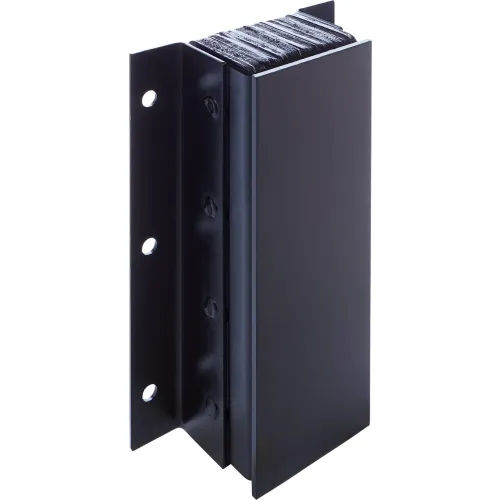 Steel-Faced Laminated Rubber Bumper: 5 Field Problems Buyers Keep Finding After Installation
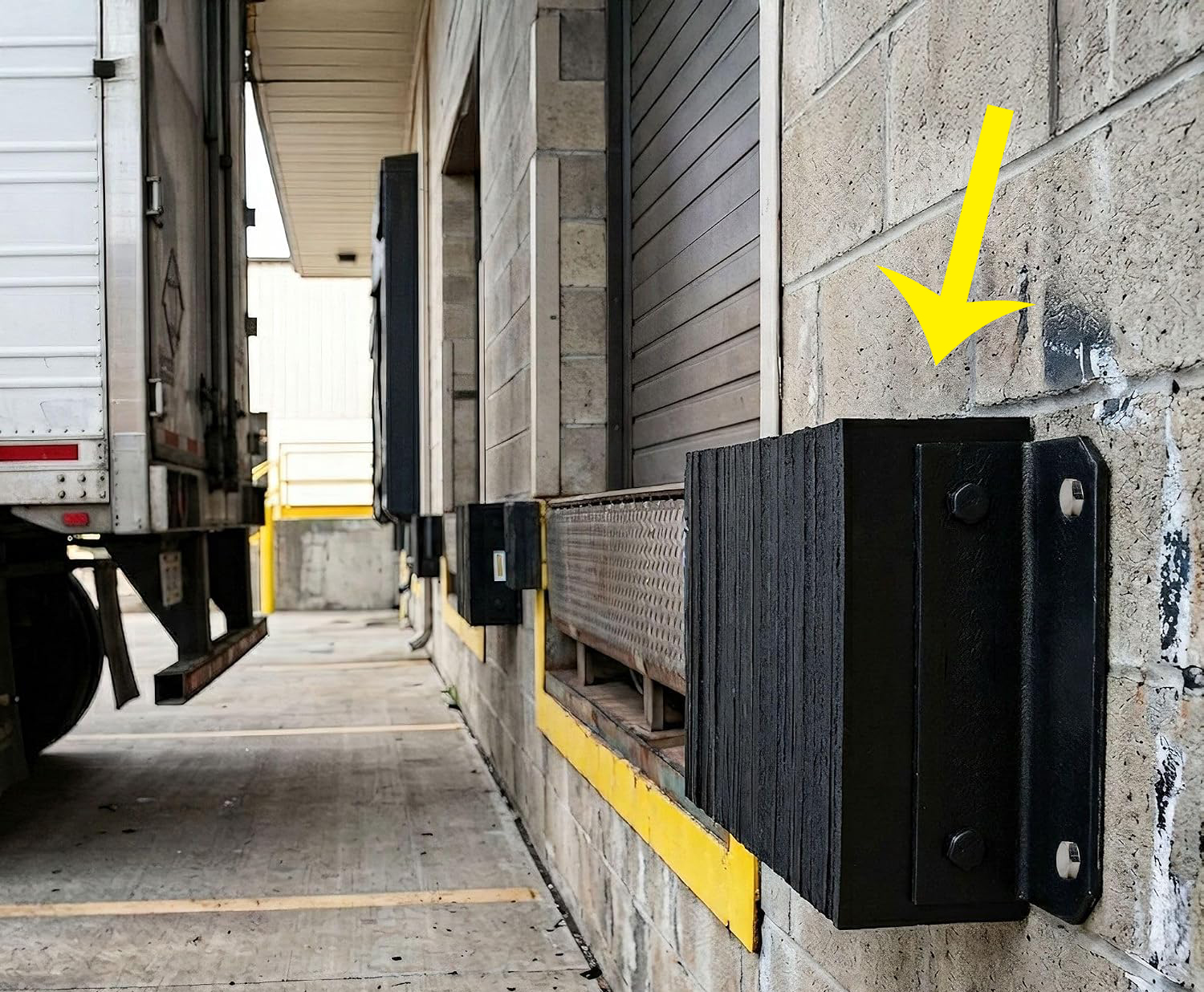 Rubber Laminated Loading Dock Bumper with Steel Angle: 5 Field Failure Signs That Point Back to the RFQ
 Bridge Bearing Pad Field Failure: 5 Visual Signs Before It Retires (And What Caused It)
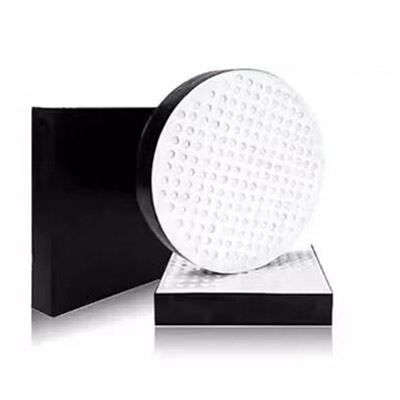 Bridge Bearing Pad RFQ Checklist: 9 Lines That Stop Suppliers From Subbing the Rubber