
In the realm of infrastructure maintenance and construction, dealing with sewage systems is a common yet challenging task. Whether it's for repairs, inspections, or temporary blockages during construction projects, finding an efficient and reliable method to block sewage flow is crucial. Among the various options available, inflatable airbags have emerged as a popular choice. But the question remains: Can these inflatable devices effectively block sewage? Let's delve into this topic to understand their capabilities and applications.
Understanding Inflatable Airbags
Inflatable airbags, often made from durable rubber materials, are designed to be inserted into pipes, ducts, or other confined spaces and then inflated to create a tight seal. Their flexibility allows them to conform to the shape of the pipe, ensuring a snug fit that prevents the passage of fluids, including sewage. These airbags come in various sizes and shapes to accommodate different pipe diameters and configurations, making them versatile tools in the field of sewage management.
The Mechanics of Sewage Blockage
Sewage systems are complex networks of pipes that carry wastewater from homes, businesses, and industrial facilities to treatment plants or disposal sites. When maintenance or repairs are needed, it's essential to isolate sections of the system to prevent the flow of sewage into the work area. Traditional methods, such as sandbags or concrete plugs, can be cumbersome, time-consuming, and sometimes ineffective, especially in irregularly shaped pipes. Inflatable airbags, on the other hand, offer a more streamlined and efficient solution.
Once inserted into the pipe, the airbag is inflated using compressed air or a manual pump until it expands to fill the available space. The pressure exerted by the inflated airbag creates a barrier that stops the flow of sewage, allowing workers to carry out their tasks safely and without interruption. The ease of installation and removal makes inflatable airbags a preferred choice for temporary blockages.
Advantages in Sewage Applications
One of the primary advantages of using inflatable airbags for sewage blockage is their adaptability. Unlike rigid plugs or barriers, airbags can mold themselves to the contours of the pipe, ensuring a leak-proof seal even in pipes with minor irregularities or deformations. This adaptability reduces the risk of sewage leakage, which can lead to environmental contamination and health hazards.
Additionally, inflatable airbags are reusable, which is cost-effective in the long run. After each use, they can be deflated, cleaned, and stored for future applications, eliminating the need for disposable materials. This not only saves money but also reduces waste, contributing to a more sustainable approach to sewage management.
Another significant benefit is the speed and ease of deployment. In emergency situations, such as sudden pipe bursts or sewage overflows, time is of the essence. Inflatable airbags can be quickly inserted and inflated, providing immediate relief and preventing further damage. Their portability also means that they can be easily transported to remote or hard-to-reach locations, making them invaluable tools in a wide range of scenarios.
Considerations for Effective Use
While inflatable airbags offer numerous advantages, their effectiveness depends on proper selection and usage. It's essential to choose an airbag that matches the diameter and material of the pipe to ensure a secure fit. Over-inflation or under-inflation can compromise the seal, leading to leaks or even damage to the airbag itself. Therefore, following the manufacturer's guidelines for inflation pressure and procedures is crucial.
Moreover, the condition of the pipe plays a significant role in the airbag's performance. Pipes with severe corrosion, cracks, or other structural issues may not provide a suitable surface for the airbag to adhere to, reducing its effectiveness. In such cases, pre-inspection and necessary repairs or reinforcements may be required before using an inflatable airbag.
Real-World Applications
Inflatable airbags have been successfully used in various sewage-related projects across the United States. For instance, during sewer line repairs in urban areas, airbags have been employed to isolate sections of the pipe, allowing workers to replace damaged segments without disrupting the entire system. In industrial settings, airbags have been used to block sewage flow during equipment maintenance or upgrades, ensuring a safe and clean work environment.
Furthermore, in emergency response situations, such as natural disasters or accidental sewage spills, inflatable airbags have proven to be invaluable tools for quickly containing and diverting the flow of sewage, minimizing environmental impact and public health risks.
Conclusion
Inflatable airbags offer a practical and efficient solution for blocking sewage in a variety of scenarios. Their adaptability, reusability, and ease of deployment make them a preferred choice for infrastructure maintenance and construction projects. However, their effectiveness depends on proper selection, usage, and pipe condition. By understanding these factors and following best practices, professionals in the field can leverage the benefits of inflatable airbags to ensure safe, efficient, and sustainable sewage management. As the demand for reliable and cost-effective sewage blockage methods continues to grow, inflatable airbags are poised to play an increasingly important role in this critical aspect of infrastructure maintenance.
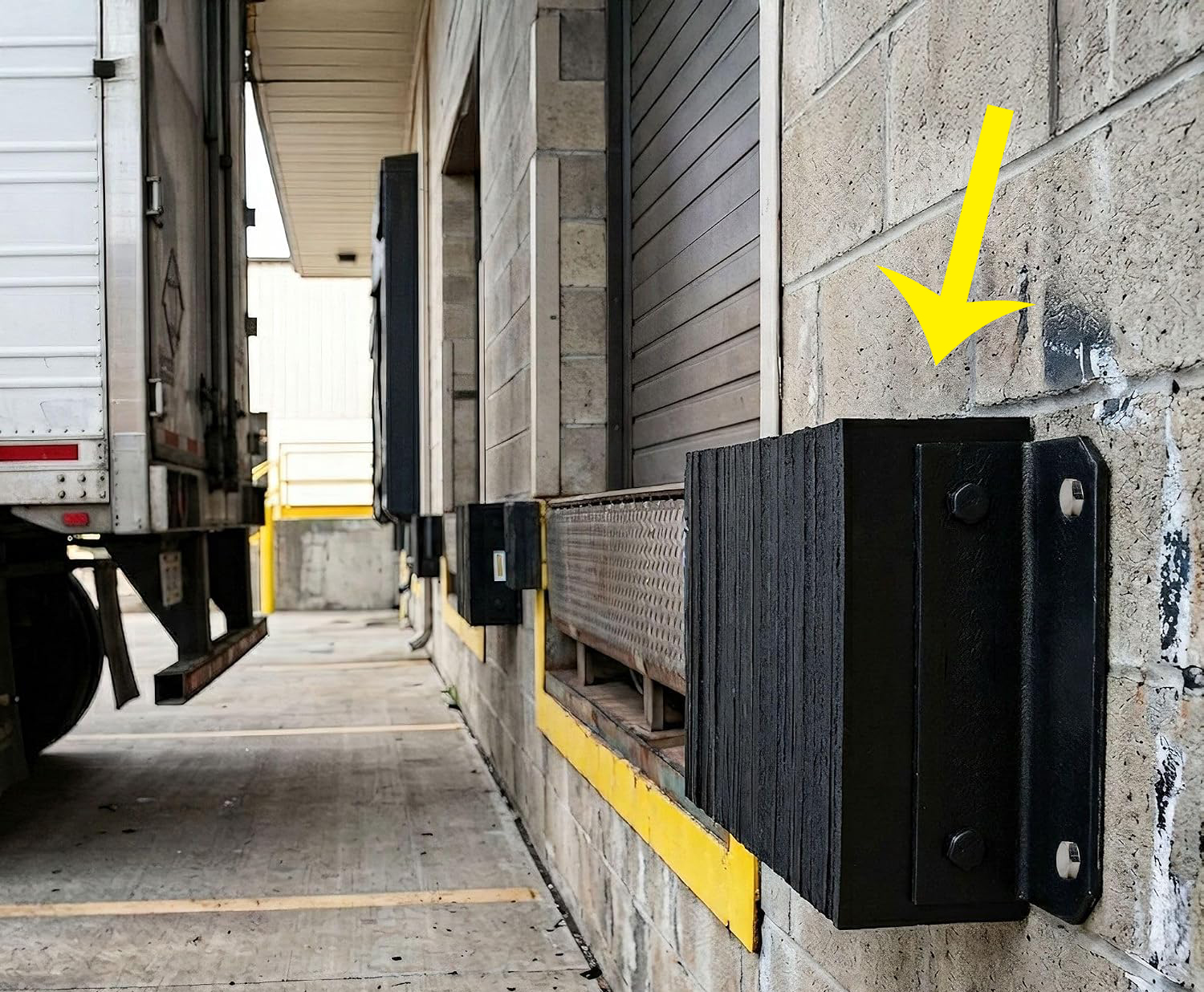 Rubber Laminated Loading Dock Bumper with Steel Angle: 5 Field Failure Signs That Point Back to the RFQ
 Bridge Bearing Pad Field Failure: 5 Visual Signs Before It Retires (And What Caused It)
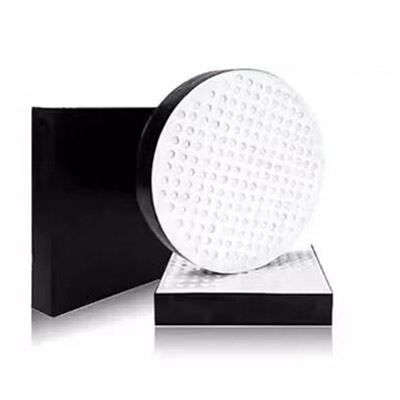 Bridge Bearing Pad RFQ Checklist: 9 Lines That Stop Suppliers From Subbing the Rubber
 Laminated Rubber Bearing: Maintenance and Inspection Protocols