
Bridge construction is a cornerstone of modern infrastructure, demanding precision, durability, and cost-efficiency. Among the many tools and techniques employed in this field, inflatable airbags made from high-strength rubber have emerged as a versatile solution for temporary support, void forming, and load management. But how effective are these airbags in bridge projects? Let’s explore their applications, benefits, and real-world impact through the lens of engineering principles and industry practices.
The Role of Inflatable Airbags in Bridge Construction
In bridge projects, inflatable airbags serve as dynamic, reusable tools that adapt to diverse structural needs. Their primary function is to provide temporary support during critical phases of construction, such as arch forming, pier stabilization, or segment lifting. Unlike traditional wooden or steel formwork, rubber airbags are lightweight, flexible, and easily customized to fit irregular shapes. This makes them ideal for creating voids in concrete structures, such as hollow piers or pre-stressed beams, where precision is paramount.
For example, when constructing an arch bridge, engineers often use airbags to shape the curved underside of the arch before pouring concrete. Once the concrete cures, the airbags are deflated and removed, leaving behind a smooth, hollow structure. This method reduces material waste and accelerates timelines compared to permanent molds. Similarly, in segmental bridge construction, airbags can lift and position heavy concrete segments with minimal manual labor, enhancing safety and efficiency.
Why Rubber Airbags Outperform Traditional Methods
The shift from rigid formwork to rubber airbags stems from their superior adaptability and cost-effectiveness. Traditional methods like steel molds or wooden shuttering are often bulky, time-consuming to install, and limited to specific shapes. In contrast, rubber airbags can be inflated to varying pressures, allowing them to conform to complex geometries without compromising structural integrity.
Moreover, rubber airbags are reusable across multiple projects, drastically reducing long-term costs. Their durability ensures they withstand repeated cycles of inflation, deflation, and exposure to harsh environmental conditions. This resilience is particularly valuable in marine bridge projects, where saltwater and humidity could degrade less robust materials.
Another advantage is their ease of transportation. Unlike heavy steel frameworks, deflated rubber airbags can be rolled and shipped efficiently, minimizing logistical challenges for remote or international projects. This portability, combined with their low maintenance requirements, makes them a favorite among contractors aiming to streamline operations.
Safety and Environmental Considerations
Safety is non-negotiable in bridge construction, and rubber airbags address this priority through their inherent stability. When properly inflated, they distribute loads evenly, reducing the risk of uneven settling or collapse. Their flexible yet robust design also absorbs vibrations, which is crucial in earthquake-prone regions where bridges must endure seismic forces.
Environmentally, rubber airbags align with sustainable construction practices. By enabling precise void formation, they minimize excess concrete use, lowering carbon footprints. Additionally, their reusability cuts down on waste generated by disposable formwork. Some manufacturers even produce airbags from recycled rubber, further enhancing their eco-friendly profile.
Case Studies: Real-World Applications
The effectiveness of rubber airbags is best illustrated through real-world projects. In one notable example, a bridge over a major river in the Midwest utilized airbags to construct hollow piers. The airbags were inflated to create temporary molds, allowing workers to pour concrete around them. Once cured, the airbags were removed, leaving behind lightweight, flood-resistant piers that reduced overall material costs by 30%.
Another case involved a pedestrian bridge in a coastal town, where airbags were used to lift and position pre-fabricated segments. The airbags’ adjustable pressure settings ensured each segment aligned perfectly, avoiding costly adjustments. The project was completed two weeks ahead of schedule, thanks to the airbags’ efficiency.
Common Misconceptions About Rubber Airbags
Despite their proven track record, some skeptics question the durability of rubber airbags under extreme loads. However, modern airbags are engineered with reinforced layers of synthetic rubber and fabric, capable of withstanding pressures exceeding 100 psi. This robustness allows them to support heavy concrete structures without deformation.
Another myth is that airbags are only suitable for small-scale projects. In reality, they scale effectively to large infrastructure endeavors, including highway overpasses and high-speed rail bridges. Their versatility lies in their ability to be customized in size, shape, and pressure capacity to match project requirements.
How to Choose the Right Airbag for Your Project
Selecting the appropriate airbag involves evaluating factors like load capacity, shape compatibility, and environmental conditions. For instance, a bridge in a humid climate might require airbags with anti-corrosion coatings, while a high-rise project could need airbags rated for higher pressure thresholds. Consulting with engineers experienced in airbag applications ensures optimal performance and safety.
Training crews on proper inflation techniques and maintenance is equally critical. Overinflating or underinflating airbags can compromise their effectiveness, so clear protocols must be established. Regular inspections for wear and tear also prolong their lifespan, ensuring reliable service across multiple projects.
The Future of Inflatable Technology in Bridge Construction
As infrastructure demands evolve, rubber airbags are poised to play an even larger role. Innovations like smart sensors embedded in airbags could soon provide real-time data on pressure, temperature, and structural integrity, enabling proactive adjustments during construction. Additionally, advancements in materials science may yield airbags with even greater strength-to-weight ratios, expanding their applications to offshore platforms and floating bridges.
The integration of 3D modeling software with airbag design is another exciting development. Engineers can now simulate airbag behavior under virtual loads, refining shapes and pressure settings before physical deployment. This digital approach reduces trial-and-error, saving time and resources.
Conclusion
Rubber inflatable airbags are not just a temporary trend in bridge construction—they are a transformative tool that enhances efficiency, safety, and sustainability. Their adaptability, cost-effectiveness, and proven performance in diverse projects make them indispensable for modern engineers. As technology advances, these airbags will continue to redefine what’s possible in infrastructure development, proving that innovation often lies in simplicity. For contractors and designers seeking smarter solutions, the answer is clear: yes, concrete inflatable airbags work—and they work exceptionally well.
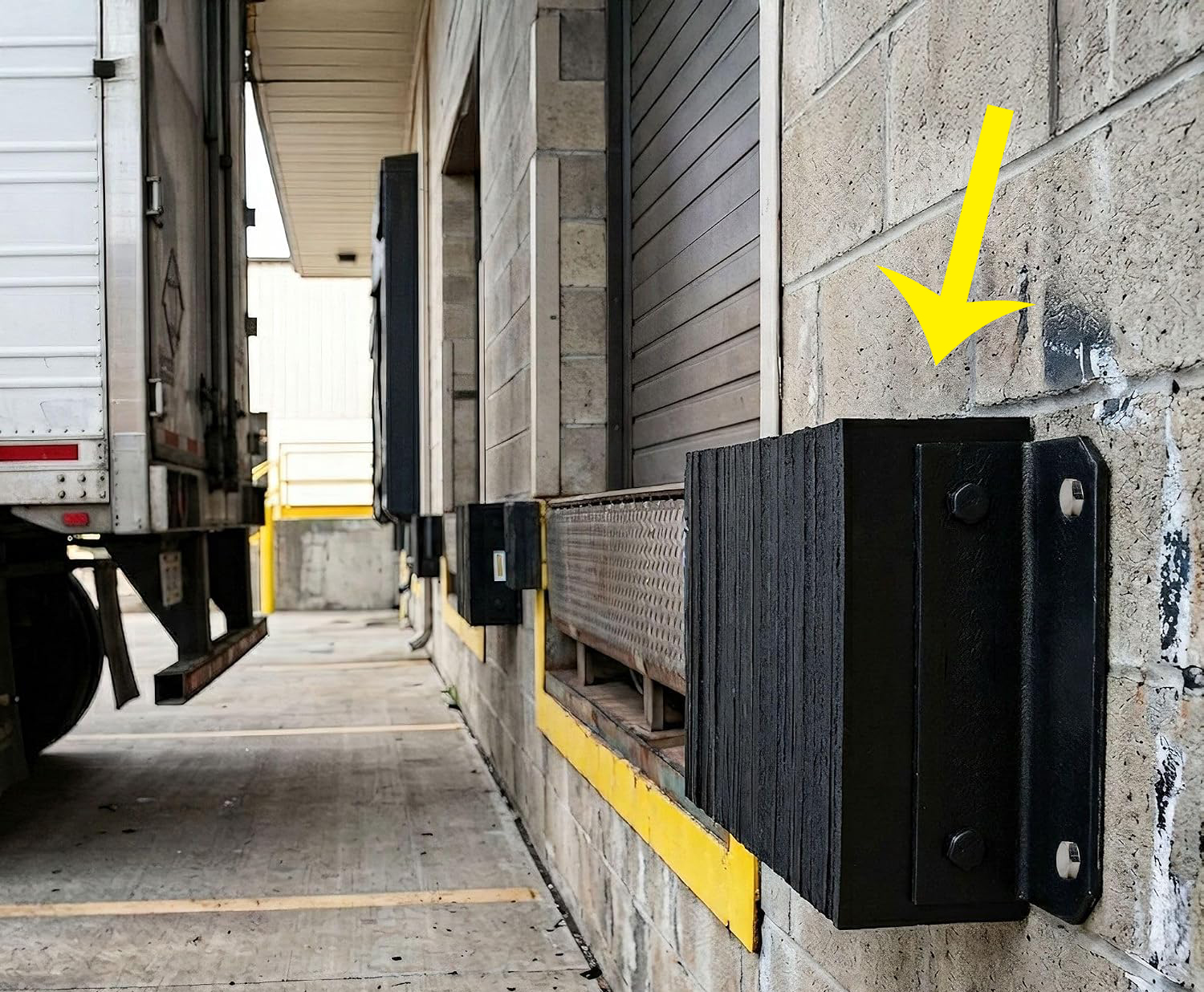 Rubber Laminated Loading Dock Bumper with Steel Angle: 5 Field Failure Signs That Point Back to the RFQ
 Bridge Bearing Pad Field Failure: 5 Visual Signs Before It Retires (And What Caused It)
 Bridge Bearing Pad RFQ Checklist: 9 Lines That Stop Suppliers From Subbing the Rubber
 Laminated Rubber Bearing: Maintenance and Inspection Protocols