
In the realm of transportation and logistics, ensuring the stability of cargo during transit is paramount. One innovative solution that has gained traction in recent years is the use of rubber pneumatic bags. These versatile and durable tools offer an effective way to stabilize loads, preventing shifting and damage while in transit. This article delves into the intricacies of using a rubber pneumatic bag for load stabilization, covering everything from their basic principles to practical applications.
Understanding Rubber Pneumatic Bags
Rubber pneumatic bags, also known as air bags or inflatable dunnage bags, are essentially large, rubberized bladders that can be inflated with air to fill voids and secure cargo. They are constructed from robust materials designed to withstand the rigors of transportation, including exposure to moisture, temperature fluctuations, and physical stress. The bags come in various sizes and shapes to accommodate different types of loads and containers.
The primary function of a rubber pneumatic bag is to provide a cushioning effect that prevents cargo from moving within its packaging or container. When properly inflated, these bags can exert significant pressure, effectively locking the load in place and minimizing the risk of damage due to shifting or impact.
Benefits of Using Rubber Pneumatic Bags
There are several compelling reasons to consider using rubber pneumatic bags for load stabilization:
Versatility: These bags can be used in a wide range of applications, from securing palletized goods in trucks to stabilizing heavy equipment in shipping containers. Their adaptability makes them a valuable asset in any logistics operation.
Cost-Effectiveness: Compared to other load securing methods, such as wooden dunnage or foam blocks, rubber pneumatic bags are often more cost-effective. They can be reused multiple times, reducing the need for constant replacement and disposal.
Ease of Use: Inflating and deflating rubber pneumatic bags is a straightforward process that requires minimal training. This makes them accessible to a broader range of personnel, facilitating efficient and effective load stabilization.
Environmental Impact: As reusable items, rubber pneumatic bags contribute less waste to the environment compared to disposable dunnage materials. This aligns with the growing trend towards sustainable logistics practices.
Selecting the Right Rubber Pneumatic Bag
Choosing the appropriate rubber pneumatic bag for a specific load stabilization task involves considering several factors:
Size and Shape: The bag should be sized and shaped to fit the void it needs to fill. A bag that is too small may not provide adequate stabilization, while one that is too large could cause unnecessary pressure on the cargo or container walls.
Pressure Rating: Different bags have different pressure ratings, indicating the maximum amount of air pressure they can safely withstand. It's crucial to select a bag with a pressure rating that matches the requirements of the load being stabilized.
Material Composition: The material the bag is made from should be durable enough to resist punctures, tears, and abrasion. Look for bags made from high-quality rubber or similar materials that can withstand the conditions of transportation.
Valve Type: The valve used to inflate and deflate the bag is another important consideration. A reliable, easy-to-use valve can make the difference between a smooth operation and a frustrating experience.
Preparing the Rubber Pneumatic Bag for Use
Before using a rubber pneumatic bag, it's essential to inspect it for any signs of damage or wear. Check the bag's surface for cuts, punctures, or abrasions that could compromise its integrity. Also, ensure that the valve is functioning correctly and free of debris.
Once the bag has been inspected and deemed suitable for use, it's time to prepare it for inflation. This typically involves attaching an air compressor or hand pump to the valve and inflating the bag to the desired pressure. It's important to follow the manufacturer's guidelines regarding inflation pressures to avoid overinflating the bag, which could lead to rupture or failure.
Applying the Rubber Pneumatic Bag for Load Stabilization
With the bag prepared, the next step is to position it correctly within the load or container. This may involve placing the bag between layers of palletized goods, against the sides of a container to prevent lateral movement, or beneath heavy items to provide additional support.
When positioning the bag, ensure that it is securely in place and not at risk of slipping or shifting during transit. If necessary, use additional strapping or dunnage to hold the bag in position.
Once the bag is correctly positioned, inflate it to the required pressure. This may require some trial and error, as the ideal pressure will depend on the specific characteristics of the load and the conditions of transportation. It's important to monitor the bag's pressure throughout the journey and adjust it as needed to maintain optimal load stabilization.
Monitoring and Maintaining Rubber Pneumatic Bags
Throughout the transportation process, it's crucial to monitor the condition and pressure of the rubber pneumatic bags. Regular checks should be performed to ensure that the bags remain inflated to the correct pressure and are not showing signs of wear or damage.
If a bag appears to be losing pressure or is visibly damaged, it should be addressed immediately. In some cases, this may involve reinflating the bag or replacing it with a new one. Ignoring problems with the bags can lead to load instability and potential damage to the cargo.
In addition to monitoring the bags during transit, it's also important to store them properly when not in use. Rubber pneumatic bags should be kept in a cool, dry place away from direct sunlight and sources of heat. This will help to prolong their lifespan and ensure that they are ready for use when needed.
Rubber pneumatic bags offer a versatile, cost-effective, and environmentally friendly solution for load stabilization in transportation and logistics. By understanding their principles, selecting the right bag for the job, preparing it correctly, and monitoring its condition throughout the journey, it's possible to achieve optimal load stability and minimize the risk of damage during transit.
Whether you're transporting fragile items, heavy equipment, or palletized goods, rubber pneumatic bags can provide the cushioning and support needed to keep your cargo safe and secure. By incorporating these bags into your logistics operations, you can improve the efficiency and reliability of your transportation processes, ultimately leading to greater customer satisfaction and business success.
 Is Your Dock Bumper Damaging Your Trailers? How Laminated Rubber with Steel Corners Protects Both Sides
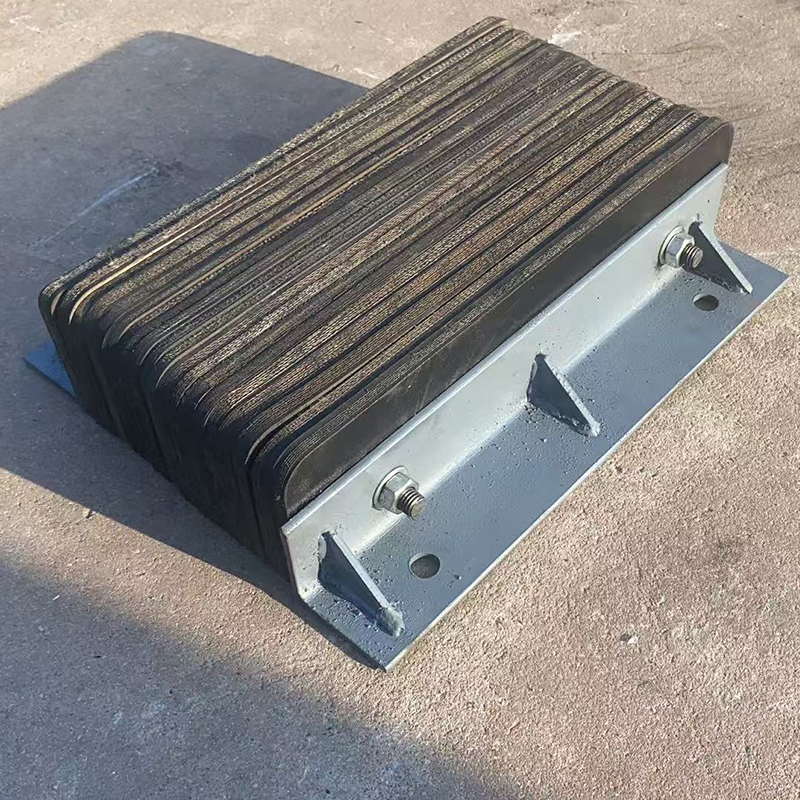 Can a Laminated Rubber Dock Bumper Handle Both Heavy Trucks and Forklift Traffic?
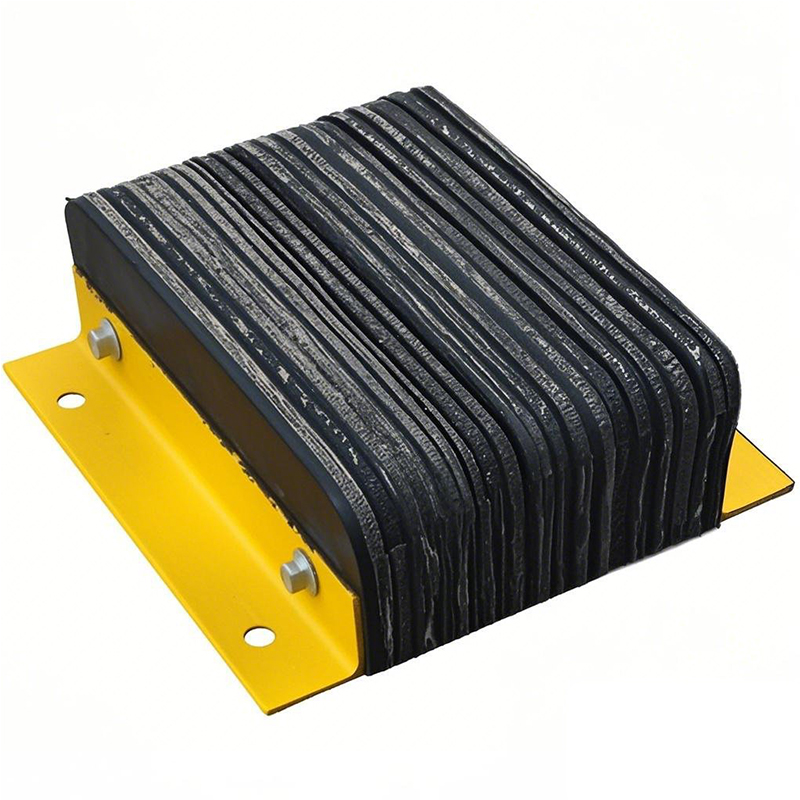 How Does a Laminated Rubber Dock Bumper Protect Your Facility Better Than Solid Rubber?
 Are You Still Using Solid Rubber? Why a Laminated Rubber Dock Bumper with Steel Corners Is the Smarter Investment?