
In the realm of industrial and commercial applications, rubber pneumatic bags serve as indispensable components for various functions, including shock absorption, load stabilization, and pressure regulation. These bags, crafted from high-quality rubber materials, demand careful consideration when it comes to packaging. The right packaging not only ensures the product's integrity during transportation and storage but also enhances its market appeal. This article delves into the diverse packaging options available for rubber pneumatic bags, exploring their benefits, challenges, and best practices to guide manufacturers and distributors in making informed decisions.
Understanding the Nature of Rubber Pneumatic Bags
Before delving into packaging options, it's crucial to understand the unique characteristics of rubber pneumatic bags. These bags are typically made from synthetic or natural rubber, offering flexibility, durability, and resistance to various environmental factors. Their primary function involves containing air or other gases under pressure, necessitating airtight seals and robust construction. Given their sensitivity to punctures, abrasions, and extreme temperatures, the packaging must provide adequate protection while being cost-effective and compliant with industry standards.
Key Considerations for Packaging Rubber Pneumatic Bags
Protection: The foremost concern is safeguarding the bag from physical damage, such as punctures, tears, or abrasions, which could compromise its functionality.
Preservation: Packaging should prevent degradation caused by exposure to UV light, moisture, or chemicals, ensuring the rubber maintains its elasticity and strength over time.
Space Efficiency: Given the often bulky nature of pneumatic bags, packaging should optimize space to reduce shipping costs and storage requirements.
Ease of Handling: The packaging design should facilitate easy stacking, transportation, and unpacking, minimizing labor costs and potential handling damage.
Environmental Impact: With growing environmental concerns, packaging materials should ideally be recyclable, biodegradable, or reusable to minimize waste.
Compliance: Adherence to international shipping regulations, safety standards, and labeling requirements is essential to avoid delays and penalties.
Packaging Options for Rubber Pneumatic Bags
1. Cardboard Boxes with Custom Inserts
Description: Cardboard boxes remain a popular choice due to their versatility, cost-effectiveness, and ease of customization. By incorporating custom-cut foam or corrugated inserts, manufacturers can create a snug fit that secures the pneumatic bag in place, preventing movement during transit.
Benefits:
Cost-Effective: Cardboard is relatively inexpensive and widely available.
Customizable: Inserts can be tailored to the exact dimensions of the bag, providing optimal protection.
Eco-Friendly: Cardboard is recyclable and biodegradable, aligning with sustainability goals.
Challenges:
Moisture Sensitivity: Cardboard can weaken when exposed to water, necessitating additional waterproofing measures.
Weight Limitations: Heavy-duty cardboard may be required for larger or heavier bags, increasing material costs.
Best Practices:
Use high-quality, moisture-resistant cardboard.
Line the box with plastic or waterproof material to protect against humidity.
Clearly label the box with handling instructions and fragility warnings.
2. Plastic Containers with Airtight Seals
Description: Plastic containers offer a durable and airtight solution, protecting the pneumatic bag from moisture, dust, and physical impacts. These containers can be made from various plastics, such as polyethylene or polypropylene, depending on the required strength and chemical resistance.
Benefits:
Superior Protection: Airtight seals prevent moisture ingress and maintain the bag's integrity.
Reusability: Durable plastic containers can be reused multiple times, reducing long-term packaging costs.
Chemical Resistance: Ideal for environments where the bag may come into contact with oils, greases, or other chemicals.
Challenges:
Cost: Plastic containers are generally more expensive than cardboard.
Environmental Impact: Non-biodegradable, requiring proper recycling or disposal methods.
Best Practices:
Opt for recyclable or biodegradable plastics where possible.
Design containers with stackable features to optimize storage space.
Include desiccants or moisture absorbers inside the container to further protect the bag.
3. Vacuum-Sealed Bags with Bubble Wrap
Description: Vacuum-sealed bags combined with bubble wrap provide a lightweight and flexible packaging solution. The bag is first enclosed in bubble wrap for cushioning, then placed in a vacuum-sealed bag to remove air, reducing volume and protecting against external pressures.
Benefits:
Space Efficiency: Vacuum sealing significantly reduces the package size, lowering shipping costs.
Lightweight: Ideal for air freight or when weight is a critical factor.
Cushioning: Bubble wrap offers additional shock absorption.
Challenges:
Puncture Risk: Sharp objects can pierce the vacuum-sealed bag, compromising the seal.
Seal Integrity: Improper sealing can lead to air re-entry, negating the benefits of vacuum packing.
Best Practices:
Use high-quality, thick bubble wrap to prevent punctures.
Ensure the vacuum sealer is properly calibrated to maintain a strong seal.
Include a secondary outer packaging for added protection during handling.
4. Wooden Crates with Foam Padding
Description: Wooden crates provide a robust and sturdy packaging option, often used for high-value or oversized pneumatic bags. Foam padding is inserted to cushion the bag and prevent movement within the crate.
Benefits:
Extreme Durability: Wooden crates can withstand rough handling and harsh environmental conditions.
Customizable: Can be constructed to any size or shape, accommodating unique bag dimensions.
Security: Offers high levels of security against theft or tampering.
Challenges:
Cost: Wooden crates are typically more expensive than other options.
Weight: Increases shipping costs due to the added weight of the wood.
Environmental Concerns: Wood sourcing and disposal must comply with sustainability regulations.
Best Practices:
Source wood from sustainable forests or use reclaimed wood.
Treat the wood to resist pests and moisture.
Clearly mark the crate with lifting points and weight limits.
Emerging Trends in Packaging for Rubber Pneumatic Bags
As sustainability becomes a priority, innovative packaging solutions are emerging. Biodegradable plastics, made from renewable resources, offer an eco-friendly alternative to traditional plastics. Smart packaging, equipped with sensors to monitor environmental conditions, can provide real-time data on the bag's status during transit. Additionally, modular packaging systems allow for easy customization and reuse, reducing waste and costs.
Selecting the appropriate packaging for rubber pneumatic bags requires a balanced consideration of protection, cost, environmental impact, and compliance. Whether opting for cardboard boxes, plastic containers, vacuum-sealed bags, or wooden crates, each option has its merits and challenges. By understanding these factors and implementing best practices, manufacturers can ensure their products reach customers in optimal condition, enhancing satisfaction and loyalty. As the industry evolves, embracing innovative and sustainable packaging solutions will be key to staying competitive in an ever-changing market.
 Is Your Dock Bumper Damaging Your Trailers? How Laminated Rubber with Steel Corners Protects Both Sides
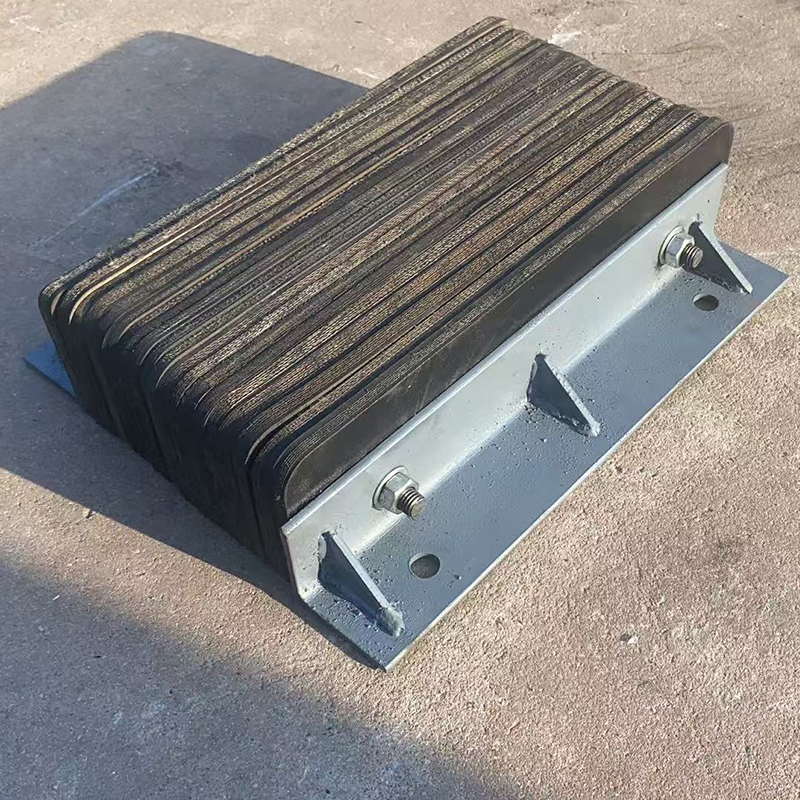 Can a Laminated Rubber Dock Bumper Handle Both Heavy Trucks and Forklift Traffic?
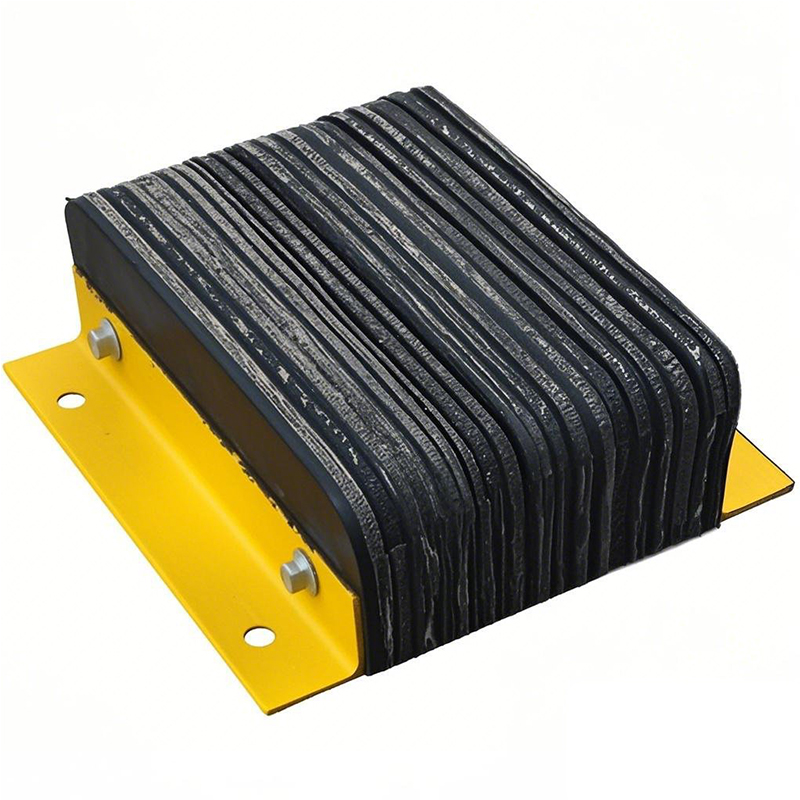 How Does a Laminated Rubber Dock Bumper Protect Your Facility Better Than Solid Rubber?
 Are You Still Using Solid Rubber? Why a Laminated Rubber Dock Bumper with Steel Corners Is the Smarter Investment?