
In the realm of industrial applications, rubber pneumatic bags serve as indispensable components for tasks ranging from lifting heavy machinery to cushioning delicate equipment during transportation. These inflatable devices rely on compressed air to generate force, adaptability, and stability, making their design and material selection critical to performance. One of the most overlooked yet pivotal factors in optimizing a pneumatic bag’s functionality is its thickness. Choosing the appropriate thickness ensures durability, safety, and efficiency, but this decision must balance competing demands such as load capacity, environmental conditions, and cost-effectiveness. This article delves into the methodologies and considerations for selecting the ideal thickness for a rubber pneumatic bag, empowering engineers and designers to make informed choices tailored to specific use cases.
Understanding the Role of Thickness in Pneumatic Bag Performance
The thickness of a rubber pneumatic bag directly influences its mechanical properties, including load-bearing capacity, flexibility, and resistance to wear and tear. Thicker materials generally offer greater strength and puncture resistance, making them suitable for heavy-duty applications. However, excessive thickness can compromise flexibility, increase stiffness, and elevate production costs. Conversely, thinner materials may provide agility and cost savings but risk premature failure under high stress or abrasive conditions. Thus, the challenge lies in identifying the optimal thickness that aligns with the bag’s intended purpose without sacrificing performance or longevity.
Key Factors to Consider When Selecting Thickness
Load Requirements
The primary determinant of a pneumatic bag’s thickness is the maximum load it must support. Engineers must calculate the static and dynamic forces acting on the bag, including the weight of the load, shock impacts during movement, and lateral pressures. For instance, bags used in lifting applications require thicker rubber to withstand compressive forces, while those in vibration damping may prioritize flexibility over raw strength. Industry standards often provide load-to-thickness ratios, but real-world testing and simulations are invaluable for validating these calculations.
Operating Pressure
Pneumatic bags operate by inflating with compressed air, and their internal pressure directly correlates with thickness. Higher pressures necessitate thicker walls to prevent bursting or deformation. Manufacturers typically specify maximum allowable pressures for different thicknesses, but environmental factors like temperature fluctuations can alter pressure dynamics. For example, cold temperatures may reduce rubber elasticity, requiring a thicker bag to maintain structural integrity under the same pressure.
Material Properties
The type of rubber used significantly impacts thickness requirements. Natural rubber offers high elasticity and tear resistance, enabling thinner designs for certain applications. Synthetic rubbers, such as neoprene or EPDM, may provide enhanced chemical resistance or heat tolerance, allowing for thinner profiles in harsh environments. Reinforced rubber compounds with fabric or fiber layers can also reduce reliance on thickness alone for strength, though this adds complexity to material selection.
Environmental Conditions
Pneumatic bags exposed to extreme temperatures, moisture, or corrosive substances demand careful thickness evaluation. UV radiation, for instance, can degrade rubber over time, making thicker materials or protective coatings necessary in outdoor applications. Similarly, abrasive environments may necessitate thicker bags to resist cuts or abrasion, even if load requirements are modest.
Flexibility and Maneuverability
Applications requiring frequent bending, folding, or articulation—such as in automated machinery or adjustable supports—benefit from thinner, more pliable bags. Thicker materials may hinder movement, leading to stress concentrations and premature failure. Balancing flexibility with strength often involves compromising on thickness or incorporating textured surfaces to enhance grip and reduce friction.
Cost and Manufacturing Constraints
Thicker rubber generally incurs higher material and production costs, as more raw material is required, and curing times may increase. Budget constraints must be weighed against performance needs, especially in competitive industries. Additionally, manufacturing limitations, such as mold size or extrusion capabilities, may restrict the feasible thickness range. Collaborating with suppliers early in the design phase can help identify cost-effective solutions without sacrificing quality.
Methodologies for Determining Optimal Thickness
Finite Element Analysis (FEA)
Computer simulations using FEA software allow engineers to model stress distribution across a pneumatic bag under various conditions. By inputting material properties, load parameters, and environmental factors, FEA predicts failure points and deformation patterns, guiding thickness adjustments. This iterative process minimizes physical prototyping and accelerates development cycles.
Prototype Testing
Building physical prototypes with varying thicknesses provides empirical data on real-world performance. Tests should simulate actual operating conditions, including cyclic loading, temperature extremes, and exposure to contaminants. Measuring metrics like deflection, burst pressure, and fatigue life helps validate theoretical models and refine thickness selections.
Industry Benchmarks and Standards
While specific applications may vary, industry benchmarks offer starting points for thickness selection. For example, bags used in automotive lifting often range from 3mm to 6mm, depending on vehicle weight. Consulting technical datasheets, peer-reviewed studies, or collaborating with industry associations can provide valuable insights.
Consultation with Material Suppliers
Rubber manufacturers possess expertise in material behavior and can recommend thickness ranges based on their product specifications. They may also offer custom compounds or reinforcement techniques to optimize performance without excessive thickness.
Practical Examples of Thickness Selection
Light-Duty Applications: For cushioning delicate electronics during shipping, a 1mm to 2mm thick bag made from high-elasticity rubber may suffice. This ensures shock absorption while maintaining portability.
Heavy Lifting: In construction or manufacturing, bags lifting loads exceeding 10 tons may require 6mm to 10mm thickness, often reinforced with textile layers for added safety.
Harsh Environments: Pneumatic bags used in chemical plants or offshore drilling might incorporate 4mm to 6mm thick neoprene with corrosion-resistant coatings, balancing durability and flexibility.
Selecting the right thickness for a rubber pneumatic bag is a multidisciplinary task that demands attention to mechanical principles, material science, and application-specific demands. By systematically evaluating load requirements, operating conditions, and cost implications, engineers can design bags that maximize performance and lifespan. Whether through advanced simulations, rigorous testing, or collaboration with experts, a nuanced approach to thickness ensures that pneumatic bags remain reliable workhorses in diverse industries. Ultimately, the goal is not merely to meet specifications but to exceed expectations, delivering solutions that are as robust as they are adaptable.
 Is Your Dock Bumper Damaging Your Trailers? How Laminated Rubber with Steel Corners Protects Both Sides
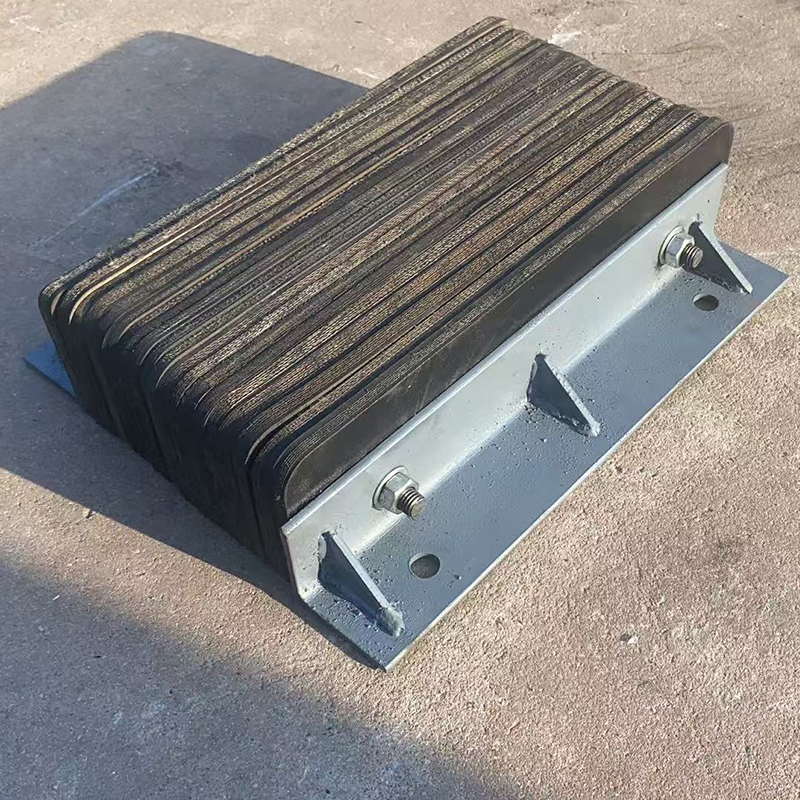 Can a Laminated Rubber Dock Bumper Handle Both Heavy Trucks and Forklift Traffic?
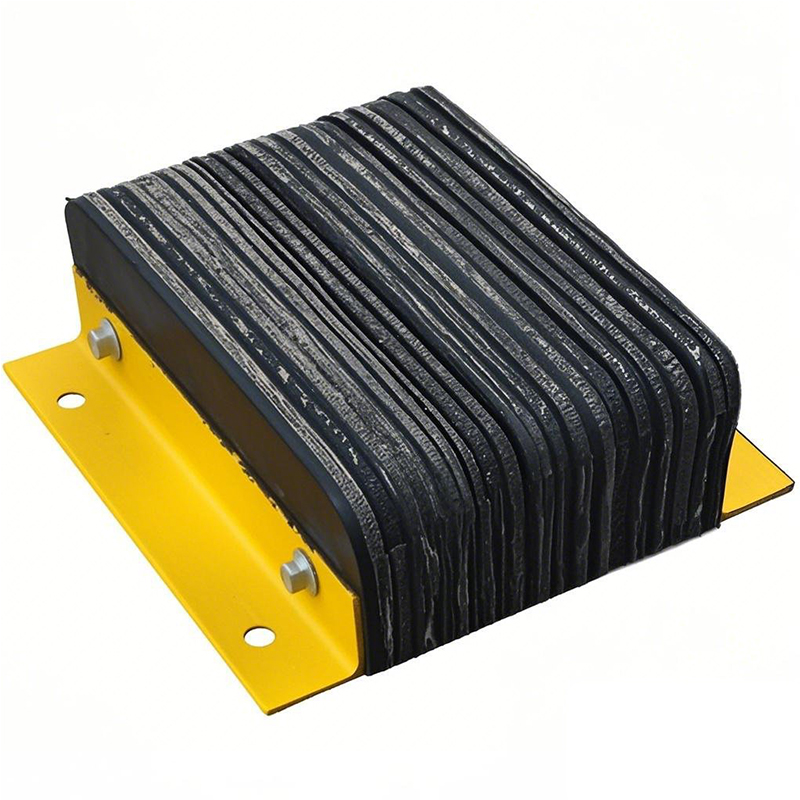 How Does a Laminated Rubber Dock Bumper Protect Your Facility Better Than Solid Rubber?
 Are You Still Using Solid Rubber? Why a Laminated Rubber Dock Bumper with Steel Corners Is the Smarter Investment?