
In the realm of industrial and specialized applications, rubber pneumatic bags serve as indispensable components, offering solutions for load distribution, shock absorption, and pressure management. These bags, crafted from high-quality rubber materials, are engineered to withstand varying degrees of stress while maintaining flexibility and durability. Beyond their functional attributes, the aesthetic and practical considerations of color play a significant role in their design and application. This article delves into the diverse color options available for rubber pneumatic bags, exploring their significance, applications, and the factors influencing color choice.
The Role of Color in Rubber Pneumatic Bags
Color, often perceived as a superficial aspect, carries substantial implications for rubber pneumatic bags. It serves multiple purposes, including:
Visibility and Safety: In environments where quick identification is crucial, such as construction sites or warehouses, brightly colored pneumatic bags enhance visibility, reducing the risk of accidents.
Aesthetic Integration: In consumer-facing applications or retail settings, color can be leveraged to align with brand identities or design themes, contributing to a cohesive visual experience.
Functional Differentiation: Different colors can signify specific uses or properties, such as temperature resistance, chemical compatibility, or load capacity, aiding in efficient inventory management.
Psychological Impact: Colors evoke emotional responses; for instance, blue may convey trust and reliability, while red can signal urgency or caution.
Standard Color Options
While customization is possible, manufacturers typically offer a range of standard colors to cater to common needs. These include:
Black: The most prevalent choice, black rubber pneumatic bags are favored for their sleek appearance and practical benefits. Black pigmentation often enhances UV resistance, making these bags suitable for outdoor applications. Additionally, black can mask dirt and wear, maintaining a professional look over time.
Natural/Transparent: Uncolored or minimally pigmented rubber retains its natural hue, offering transparency or a muted tone. This option is ideal for applications requiring visual inspection of the bag's inflation or internal components, such as in medical devices or laboratory equipment.
Blue: A versatile and calming color, blue pneumatic bags are commonly used in environments where a sense of trust and stability is paramount. They are often employed in industrial settings or where equipment needs to blend into corporate color schemes.
Green: Associated with safety and sustainability, green rubber bags may be chosen for eco-friendly initiatives or applications requiring high visibility in natural settings, such as agricultural machinery.
Red: Symbolizing energy and alertness, red pneumatic bags are utilized in scenarios demanding immediate attention, such as emergency equipment or high-risk areas.
Gray: Offering a neutral and understated appearance, gray bags are preferred in settings where blending into the background is desirable, or where color coding is not a priority.
Custom Color Solutions
For applications requiring unique branding or specific functional needs, custom color options provide a tailored solution. Manufacturers can formulate rubber compounds with precise pigments to achieve desired hues, ensuring consistency and adherence to quality standards. Custom colors may include:
Corporate Brand Colors: Aligning with a company's visual identity to reinforce brand recognition.
High-Visibility Hues: Fluorescent or neon colors for enhanced visibility in low-light conditions or emergency situations.
Camouflage Patterns: For military or outdoor applications where concealment is essential.
Considerations for Custom Coloration
While custom colors offer flexibility, several factors must be considered:
Material Compatibility: Certain pigments may affect the rubber's physical properties, such as elasticity or resistance to chemicals. It's crucial to ensure that color additives do not compromise performance.
Cost Implications: Custom coloration often incurs additional expenses due to specialized formulations and production processes.
Regulatory Compliance: In industries with strict standards, such as food processing or healthcare, colorants must meet safety regulations to prevent contamination or adverse reactions.
Factors Influencing Color Choice
Selecting the appropriate color for a rubber pneumatic bag involves evaluating several factors:
Application Environment: Outdoor use may benefit from UV-resistant colors, while indoor settings might prioritize aesthetics or brand alignment.
Industry Standards: Some sectors have established color conventions; adhering to these can facilitate recognition and compliance.
User Preferences: End-users may have specific color preferences based on ergonomic considerations or personal tastes.
Maintenance Requirements: Lighter colors may show dirt more readily, influencing cleaning frequency and maintenance protocols.
Innovations in Color Technology
Advancements in material science continue to expand the possibilities for rubber pneumatic bag coloration:
Thermochromic Pigments: These change color in response to temperature variations, providing a visual indicator of operational conditions.
Photoluminescent Additives: Absorbing and storing light energy, these additives enable bags to glow in the dark, enhancing safety in low-visibility areas.
Antimicrobial Coatings: Some colorants incorporate antimicrobial properties, offering an additional layer of protection in hygiene-critical applications.
Practical Applications of Colored Rubber Pneumatic Bags
Understanding the interplay between color and function, let's explore how different hues are applied across industries:
Automotive: Black or gray bags are standard in vehicle suspension systems, where durability and aesthetics are balanced. Custom colors may be used in luxury models to align with interior design themes.
Aerospace: High-visibility colors, such as red or fluorescent yellow, are critical in aircraft components to ensure quick identification during maintenance.
Construction: Orange or yellow bags are prevalent in heavy machinery, enhancing visibility on worksites and promoting safety.
Healthcare: Transparent or light-colored bags are used in medical devices, allowing for easy monitoring of fluid levels or equipment status.
Consumer Goods: In retail, colored pneumatic bags can enhance product appeal, with hues chosen to evoke specific emotions or align with branding strategies.
The color options for rubber pneumatic bags extend far beyond mere aesthetics, serving functional, safety, and branding purposes. Whether opting for standard colors like black or blue or exploring custom hues tailored to specific needs, the choice of color is a strategic decision that impacts performance, perception, and usability. As technology evolves, the palette for rubber pneumatic bags continues to expand, offering innovative solutions that meet the demands of diverse industries. By understanding the significance of color and its applications, manufacturers and end-users can make informed decisions that enhance both the utility and appeal of these essential components.
 Is Your Dock Bumper Damaging Your Trailers? How Laminated Rubber with Steel Corners Protects Both Sides
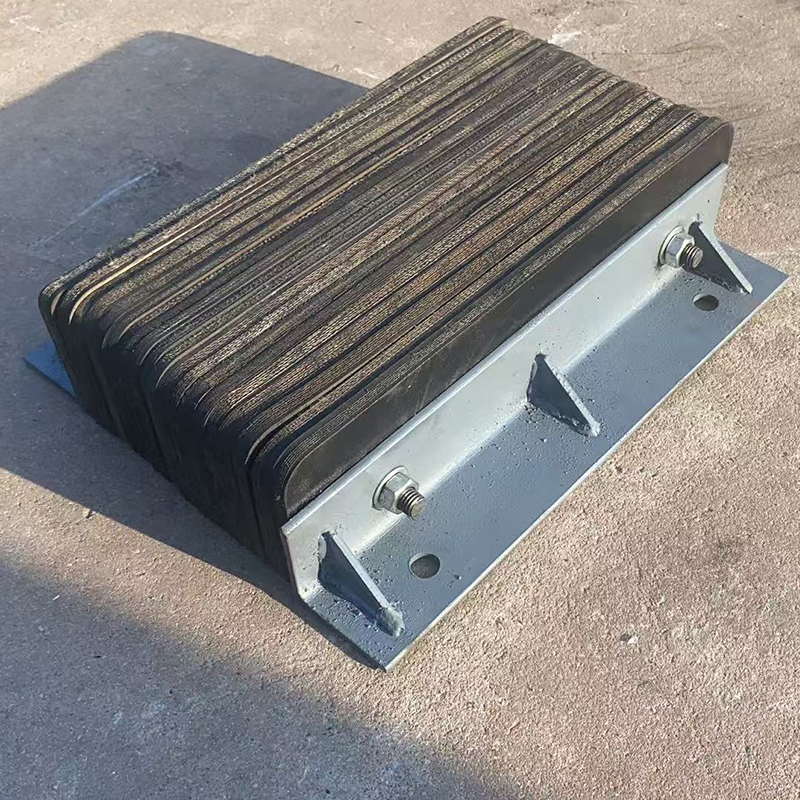 Can a Laminated Rubber Dock Bumper Handle Both Heavy Trucks and Forklift Traffic?
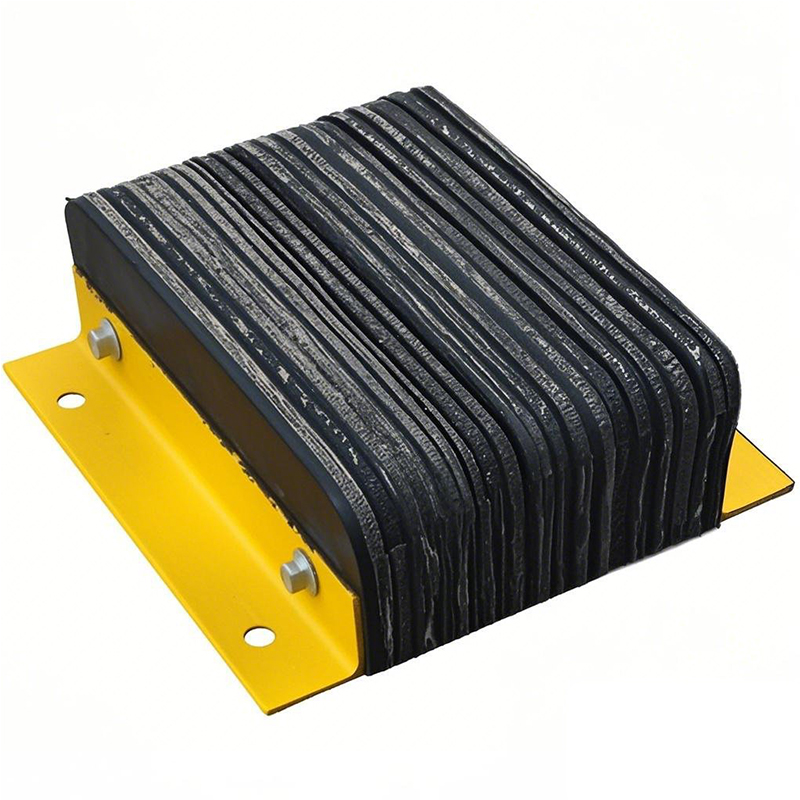 How Does a Laminated Rubber Dock Bumper Protect Your Facility Better Than Solid Rubber?
 Are You Still Using Solid Rubber? Why a Laminated Rubber Dock Bumper with Steel Corners Is the Smarter Investment?