
In the realm of safety and protection, inflatable airbags have become a common sight, whether in vehicles, sports equipment, or various industrial applications. But a question that often arises in the minds of consumers is whether these inflatable airbags are reusable. This article aims to delve into this topic, exploring the factors that determine the reusability of inflatable airbags, their maintenance requirements, and the benefits of choosing reusable options.
The Basic Structure and Function of Inflatable Airbags
Inflatable airbags are designed to provide cushioning and protection in the event of an impact or sudden force. They are typically made from durable materials such as nylon or polyester, which are coated with a layer of rubber or plastic to enhance their strength and airtightness. When inflated, these airbags expand to create a barrier that absorbs and distributes the force of an impact, reducing the risk of injury or damage.
The inflation mechanism of an airbag can vary depending on its intended use. Some airbags are designed to inflate automatically upon detection of an impact, such as those found in vehicles. Others may require manual inflation, like those used in sports or recreational activities. Regardless of the inflation method, the key to an airbag's effectiveness lies in its ability to maintain pressure and structural integrity during and after inflation.
Factors Determining Reusability
The reusability of an inflatable airbag is influenced by several factors, including the quality of materials used, the design and construction of the airbag, and the conditions under which it is used and stored.
High-quality materials are essential for ensuring the longevity of an inflatable airbag. Durable fabrics and coatings can withstand repeated inflation and deflation cycles without degrading or losing their airtight properties. Additionally, well-constructed seams and valves are crucial for preventing leaks and maintaining consistent pressure.
The design of the airbag also plays a role in its reusability. Some airbags are designed with multiple chambers or compartments, which can help distribute the force of an impact more evenly and reduce the likelihood of damage to any single area. This design feature can enhance the airbag's ability to withstand multiple uses.
Finally, the conditions under which an airbag is used and stored can significantly impact its reusability. Exposure to extreme temperatures, moisture, or sharp objects can damage the materials and compromise the airbag's integrity. Proper storage in a cool, dry place away from direct sunlight and potential hazards can help extend the lifespan of an inflatable airbag.
Maintenance and Care for Reusable Airbags
To ensure the reusability of an inflatable airbag, regular maintenance and care are essential. This includes inspecting the airbag for signs of wear or damage, such as tears, punctures, or leaks, before and after each use. Any damage should be repaired promptly using appropriate materials and techniques to prevent further deterioration.
Cleaning the airbag regularly is also important, especially if it has been exposed to dirt, dust, or other contaminants. A mild soap and water solution can be used to gently clean the surface of the airbag, followed by thorough drying to prevent moisture buildup.
In addition to regular inspections and cleaning, it is also advisable to follow the manufacturer's guidelines for inflation and deflation cycles. Overinflating or underinflating the airbag can put unnecessary stress on the materials and compromise its performance. Following the recommended inflation pressure and frequency can help ensure the airbag remains in optimal condition for reuse.
Environmental Benefits of Reusable Airbags
Choosing reusable inflatable airbags over disposable options offers several environmental benefits. Firstly, reusable airbags reduce waste by eliminating the need for frequent replacements. This can help conserve resources and reduce the amount of material that ends up in landfills.
Secondly, the production of reusable airbags often requires less energy and raw materials compared to disposable alternatives. This can result in a lower carbon footprint and a reduced impact on the environment. By opting for reusable options, consumers can contribute to a more sustainable future.
Finally, reusable airbags can also promote a culture of responsibility and mindfulness towards resource consumption. By investing in high-quality, durable products, consumers can send a message that they value sustainability and are willing to make choices that align with their environmental values.
Economic Considerations of Reusable Airbags
From an economic standpoint, reusable inflatable airbags can offer significant savings over time. While the initial cost of a reusable airbag may be higher than that of a disposable option, the long-term savings can be substantial. By eliminating the need for frequent replacements, consumers can reduce their overall expenses and allocate their budget to other important areas.
Additionally, the durability and reliability of reusable airbags can provide peace of mind and reduce the risk of unexpected costs associated with damage or failure. Knowing that the airbag can withstand multiple uses and maintain its performance over time can be a valuable asset, especially in high-stakes applications such as vehicle safety or industrial protection.
Conclusion: The Value of Reusable Inflatable Airbags
In conclusion, inflatable airbags can indeed be reusable, provided they are made from high-quality materials, well-constructed, and properly maintained. The reusability of an airbag offers numerous benefits, including environmental sustainability, economic savings, and peace of mind. By choosing reusable options and following proper care and maintenance guidelines, consumers can ensure that their inflatable airbags remain effective and reliable for multiple uses.
As the demand for safety and protection continues to grow, the importance of reusable inflatable airbags cannot be overstated. Whether in vehicles, sports equipment, or industrial settings, these versatile and durable products offer a cost-effective and environmentally friendly solution for mitigating the risks associated with impacts and sudden forces. By embracing reusable airbags, consumers can not only protect themselves and others but also contribute to a more sustainable and responsible future.
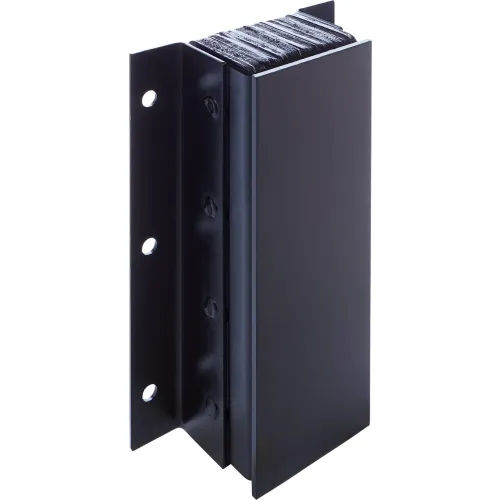 Steel-Faced Laminated Rubber Bumper: 5 Field Problems Buyers Keep Finding After Installation
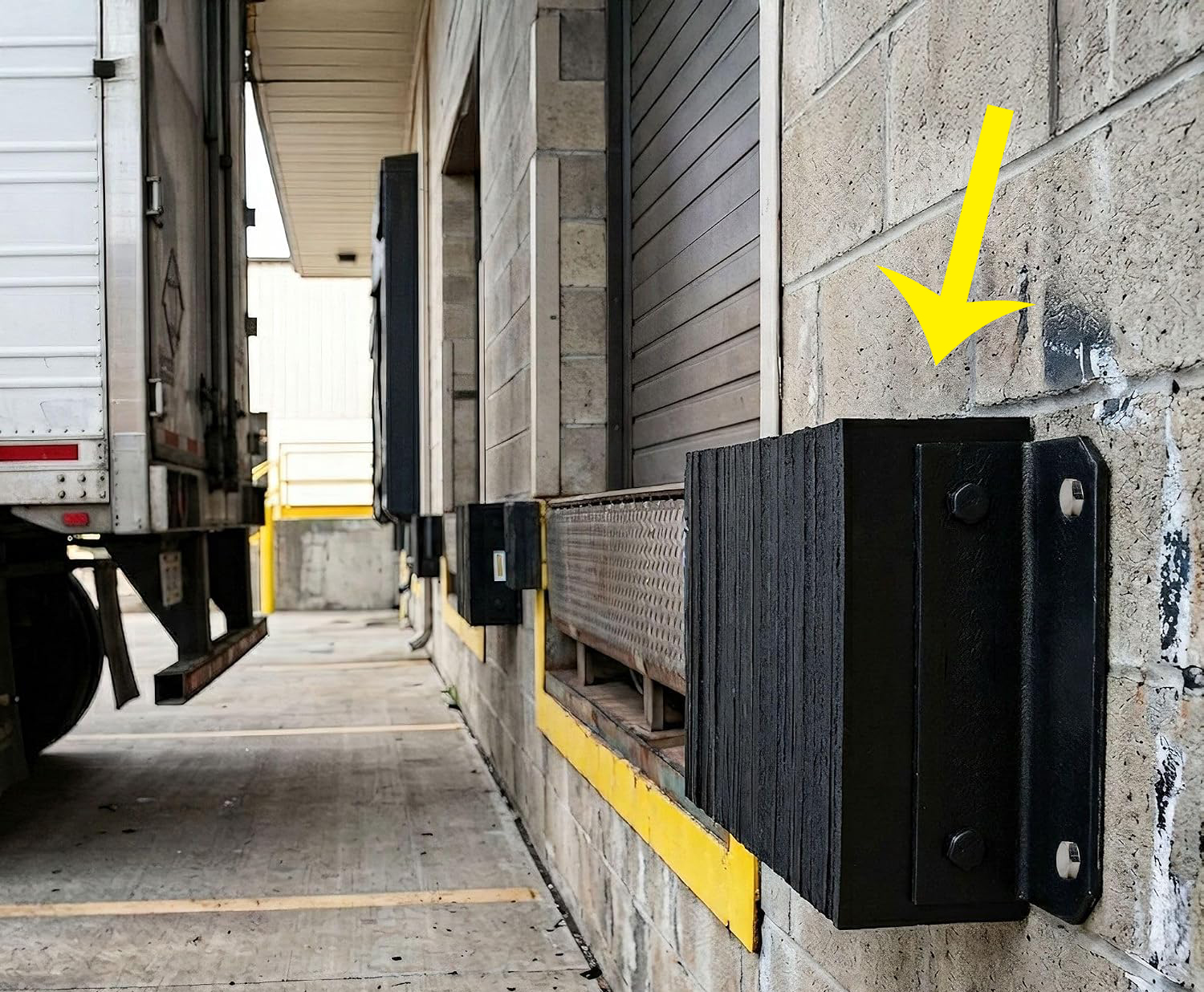 Rubber Laminated Loading Dock Bumper with Steel Angle: 5 Field Failure Signs That Point Back to the RFQ
 Bridge Bearing Pad Field Failure: 5 Visual Signs Before It Retires (And What Caused It)
 Bridge Bearing Pad RFQ Checklist: 9 Lines That Stop Suppliers From Subbing the Rubber