
Automotive repair is a meticulous process that demands precision, safety, and efficiency. Among the tools and components that facilitate seamless repairs, rubber service plugs stand out as versatile, cost-effective solutions. These unassuming devices play a critical role in protecting automotive systems, preventing contamination, and ensuring repairs are completed without complications. But what exactly are rubber service plugs, and why are they indispensable in automotive workshops across the U.S.? Let’s explore their applications, benefits, and the scenarios where they prove most valuable.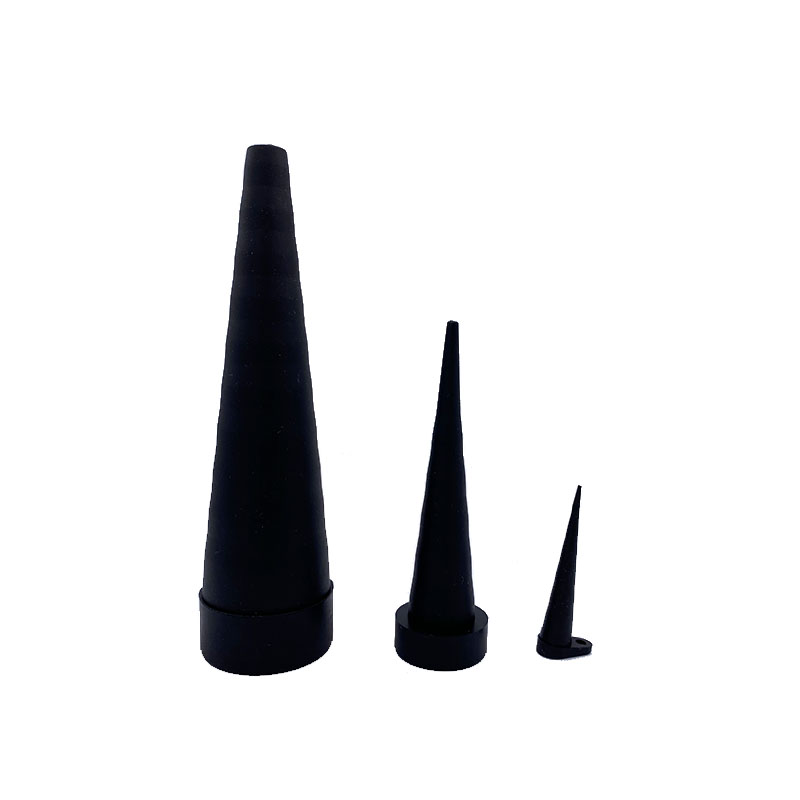
Protecting Openings During Maintenance
When mechanics disassemble parts of a vehicle—whether it’s the engine, fuel system, or cooling lines—they often leave exposed ports, hoses, or threaded openings. These gaps can invite dirt, debris, or even moisture, which may compromise the repair process or damage internal components. Rubber service plugs act as temporary seals, blocking contaminants from entering sensitive areas. For example, during an engine overhaul, plugs can be inserted into fuel injector ports or coolant passages to maintain cleanliness. Their flexible material ensures a snug fit, even in irregularly shaped openings, making them ideal for both standard and custom applications.
Preventing Fluid Leaks During Repairs
Automotive systems rely on precise fluid levels to function correctly. A leak during repair work can lead to inaccurate diagnostics, wasted materials, or even safety hazards. Rubber service plugs create a tight seal in fluid reservoirs, transmission lines, or brake systems, preventing leaks while technicians perform tasks like replacing gaskets or inspecting components. Their chemical-resistant properties also mean they won’t degrade when exposed to oils, coolants, or hydraulic fluids, ensuring reliability throughout the repair process.
Safeguarding Electrical Components
Modern vehicles are equipped with intricate electrical systems, from battery terminals to sensor connectors. When working on these areas, static discharge or accidental short circuits can cause irreversible damage. Rubber service plugs, often designed with insulating properties, provide a protective barrier for exposed connectors or ports. For instance, during an alternator replacement, plugs can shield unused wiring harnesses from dust or accidental contact with tools. Their non-conductive nature reduces the risk of electrical mishaps, keeping both the vehicle and the technician safe.
Streamlining Paint and Bodywork Processes
Automotive body shops frequently face the challenge of protecting specific areas during painting or welding. Rubber service plugs are invaluable in these scenarios. They can seal off threaded holes, fuel tank openings, or suspension components to prevent overspray or spatter from damaging internal parts. Unlike masking tape, which may leave residue or fail to block tiny gaps, rubber plugs offer a reusable, mess-free solution. This efficiency not only improves the quality of the finish but also reduces cleanup time, allowing shops to complete projects faster.
Enabling Customization and Adaptability
No two vehicles are identical, and repairs often require creative problem-solving. Rubber service plugs excel in their adaptability. Available in various sizes, shapes, and durometers (hardness levels), they can be trimmed or molded to fit unique openings. For example, a technician working on a vintage car with non-standard threading might modify a plug to create a custom seal. This flexibility eliminates the need for multiple specialized tools, making rubber plugs a cost-effective staple in any garage.
Supporting Eco-Friendly Practices
The automotive industry is increasingly focused on sustainability, and rubber service plugs align with this trend. By preventing fluid spills and contamination, they reduce hazardous waste generated during repairs. Additionally, their durability means they can be reused across countless projects, minimizing single-use plastic consumption. Workshops that prioritize eco-conscious practices often rely on these plugs to meet environmental regulations while maintaining efficiency.
Why Rubber Service Plugs Are a Workshop Essential
Beyond their technical applications, rubber service plugs offer practical advantages. Their affordability makes them accessible to small independent shops and large dealerships alike. Unlike permanent caps or covers, they don’t require installation tools or adhesives, saving time and reducing inventory complexity. Moreover, their portability allows technicians to carry a variety of sizes in toolkits, ensuring they’re always prepared for unexpected repair needs.
In an industry where attention to detail separates average work from exceptional results, rubber service plugs are the unsung heroes that uphold quality and safety. Whether it’s protecting a high-performance engine during a rebuild or shielding a hybrid vehicle’s battery system, these versatile components earn their place in every automotive toolbox.
Conclusion
From preventing contamination to streamlining repairs, rubber service plugs address challenges that every automotive technician faces. Their adaptability, durability, and cost-effectiveness make them indispensable in workshops across the United States. As vehicles become more complex, the demand for reliable, multipurpose tools like these will only grow. For professionals looking to enhance efficiency and protect their work, investing in high-quality rubber service plugs is a decision that pays dividends with every repair.
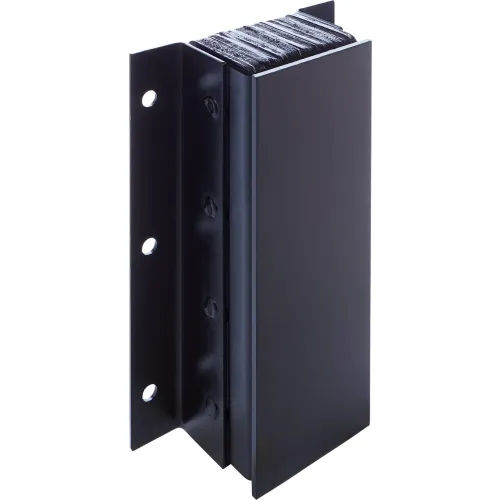 Steel-Faced Laminated Rubber Bumper: 5 Field Problems Buyers Keep Finding After Installation
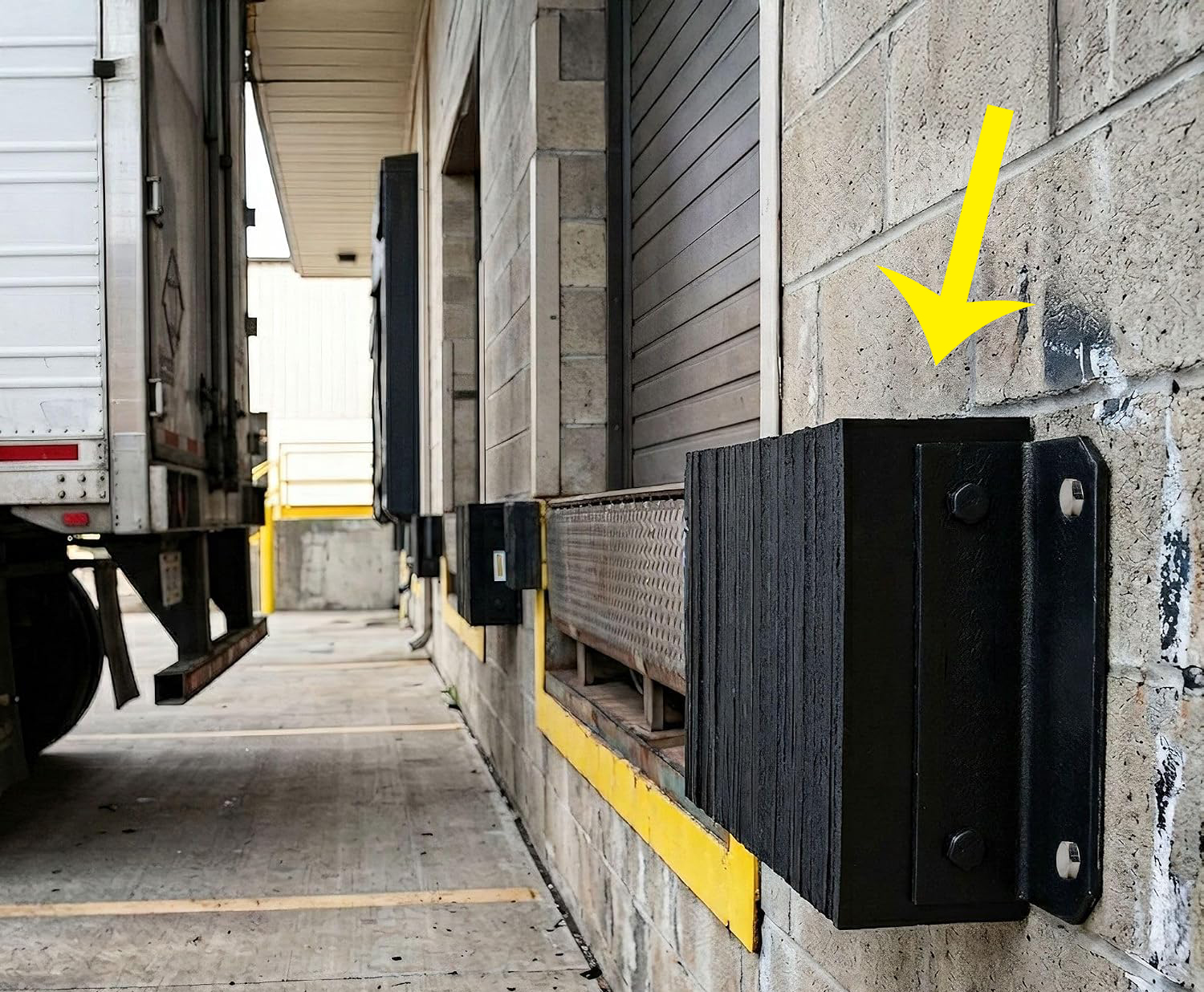 Rubber Laminated Loading Dock Bumper with Steel Angle: 5 Field Failure Signs That Point Back to the RFQ
 Bridge Bearing Pad Field Failure: 5 Visual Signs Before It Retires (And What Caused It)
 Bridge Bearing Pad RFQ Checklist: 9 Lines That Stop Suppliers From Subbing the Rubber