
Machinery maintenance is a critical aspect of ensuring operational efficiency, safety, and longevity in industrial settings. Among the array of tools and components used in this process, rubber service plugs emerge as unsung heroes. These versatile items play a pivotal role in protecting machinery during downtime, preventing contaminants from entering sensitive areas, and facilitating smoother maintenance procedures. This blog post delves into the practical applications of rubber service plugs in machinery maintenance, offering insights and tips for optimal use.
Understanding the Role of Rubber Service Plugs
Rubber service plugs, often overlooked, are designed to seal off openings in machinery when not in use or during repair and maintenance activities. Their primary function is to prevent dust, debris, moisture, and other contaminants from infiltrating internal components, which could lead to corrosion, malfunction, or even failure. Made from durable rubber materials, these rubber plugs are engineered to withstand various environmental conditions, ensuring a tight fit and reliable protection.
Identifying When to Use Rubber Service Plugs
The use of rubber service plugs is warranted in several scenarios within machinery maintenance. Firstly, during routine inspections or when parts are being replaced, plugs can temporarily seal off access points to prevent foreign particles from entering. Secondly, if machinery is to be stored for an extended period, using service plugs can safeguard against environmental damage, preserving the equipment's integrity. Lastly, in industries where cleanliness is paramount, such as food processing or pharmaceuticals, rubber plugs are indispensable for maintaining hygienic standards.
Selecting the Right Size and Type
Choosing the appropriate rubber service plug is crucial for effective maintenance. Service Plugs come in a variety of sizes and shapes to accommodate different openings in machinery. It's essential to measure the diameter and depth of the hole accurately to ensure a snug fit. Additionally, consider the type of rubber material; some may offer better resistance to chemicals, extreme temperatures, or UV exposure, depending on the application environment. Consulting with suppliers or referring to machinery manuals can provide guidance on the most suitable options.
Installation Techniques for Optimal Performance
Proper installation of rubber service plugs is key to their effectiveness. Begin by cleaning the area around the opening to remove any dirt or grease that might hinder a secure seal. Gently press the rubber plug into place, ensuring it sits flush with the surface without any gaps. For larger or more irregular openings, consider using multiple plugs or custom-fitted options. It's also advisable to periodically check the plugs during long-term storage to confirm they remain tightly seated and undamaged.
Enhancing Safety During Maintenance
Safety should always be a top priority in machinery maintenance. Rubber service plugs contribute to this by minimizing the risk of accidents caused by loose debris or unexpected movement of parts. When used in conjunction with lockout/tagout procedures, they provide an additional layer of protection, ensuring that machinery remains in a safe, inert state during servicing. Educating maintenance personnel on the correct use of rubber plugs and incorporating them into standard operating procedures can significantly reduce workplace hazards.
Cost-Effectiveness and Longevity
Investing in quality rubber service plugs is a cost-effective strategy in the long run. While initial costs may vary based on size, material, and quantity, the protection they offer can prevent costly repairs or replacements due to contamination-related damages. Moreover, with proper care and storage, these service plugs can be reused multiple times, extending their lifespan and providing excellent value for money. Regularly inspecting plugs for wear and tear and replacing them as needed ensures continued reliability.
Environmental Considerations and Sustainability
In today's environmentally conscious landscape, the sustainability of maintenance practices is increasingly important. Rubber service plugs, when made from recyclable or biodegradable materials, contribute to reducing the environmental footprint of industrial operations. Additionally, by preventing premature equipment failure through effective protection, these plugs indirectly support resource conservation by extending the useful life of machinery. Choosing eco-friendly options and implementing recycling programs for used rubber plugs can further enhance a company's green credentials.
Training and Best Practices
To maximize the benefits of rubber service plugs, it's essential to train maintenance teams on their proper use and handling. This includes understanding when and where to use them, selecting the right type, and following correct installation and removal procedures. Encouraging a culture of proactive maintenance, where plugs are routinely incorporated into maintenance checklists, can lead to more efficient operations and fewer unexpected breakdowns. Sharing best practices across departments and even with industry peers can foster continuous improvement and innovation in maintenance strategies.
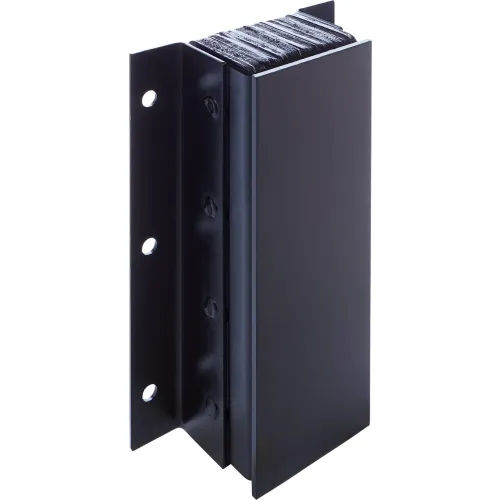 Steel-Faced Laminated Rubber Bumper: 5 Field Problems Buyers Keep Finding After Installation
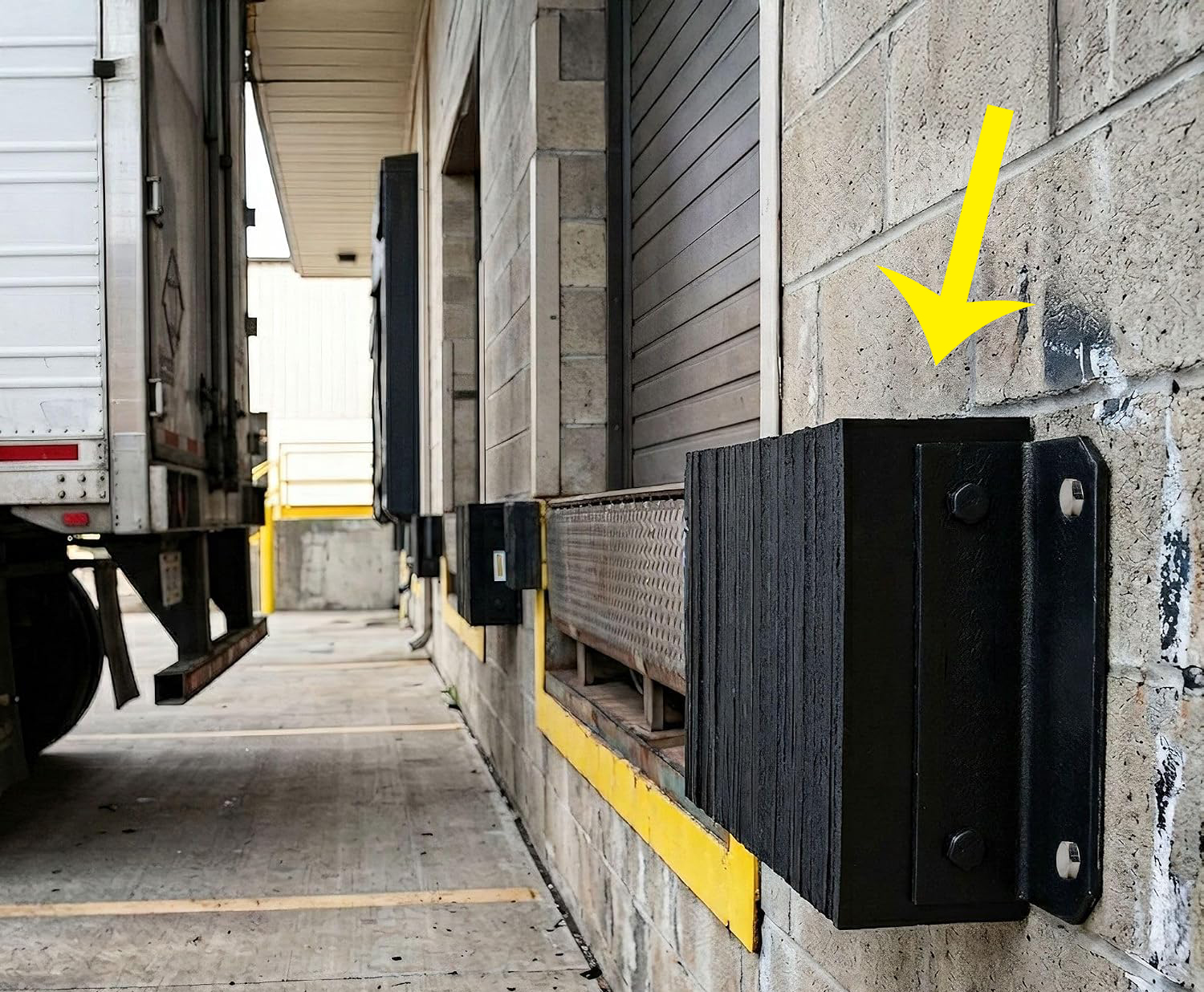 Rubber Laminated Loading Dock Bumper with Steel Angle: 5 Field Failure Signs That Point Back to the RFQ
 Bridge Bearing Pad Field Failure: 5 Visual Signs Before It Retires (And What Caused It)
 Bridge Bearing Pad RFQ Checklist: 9 Lines That Stop Suppliers From Subbing the Rubber