
The aerospace industry demands precision, durability, and reliability in every component. From commercial airliners to spacecraft, every part must withstand extreme conditions, including temperature fluctuations, pressure changes, and exposure to chemicals. Among the lesser-discussed yet critical components are rubber service plugs—versatile tools used to seal, protect, or temporarily block openings during manufacturing, maintenance, or storage. But can these unassuming rubber plugs truly meet the rigorous standards of aerospace applications? Let’s explore their role, advantages, and considerations in this high-stakes field.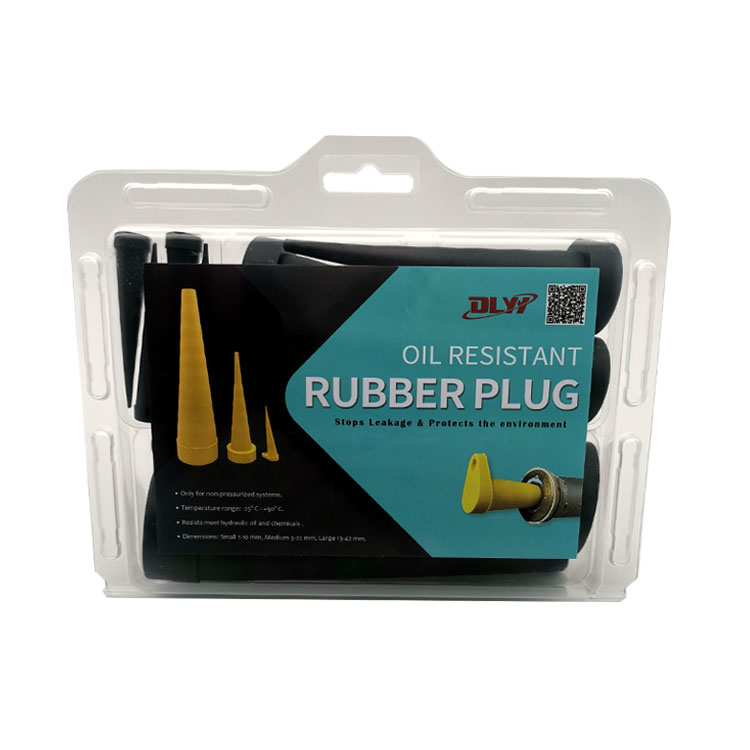
Why Sealing Matters in Aerospace
Aerospace systems rely on maintaining airtight or fluid-tight environments. Unplanned leaks in fuel lines, hydraulic systems, or environmental control units can lead to catastrophic failures. During production, components like engines, fuselages, or fuel tanks often have open ports or holes that require temporary sealing to prevent contamination, moisture ingress, or damage. Rubber service plugs provide a simple yet effective solution. They block these openings, ensuring cleanliness and safety until permanent seals are installed.
The Role of Rubber Service Plugs in Manufacturing
During the assembly of aircraft or spacecraft, manufacturers frequently use rubber plugs to protect threads, internal passages, or sensitive components from debris, paint overspray, or accidental damage. For example, when an engine is being built, numerous ports remain exposed until final installation. Rubber plugs keep these areas clean, reducing the risk of foreign object debris (FOD)—a leading cause of in-flight malfunctions. Their flexibility allows them to conform to irregular shapes, ensuring a snug fit even in complex geometries.
Durability Under Extreme Conditions
Aerospace environments expose materials to temperatures ranging from -65°F to over 400°F, as well as UV radiation, ozone, and hydraulic fluids. Rubber service plugs designed for this industry must resist degradation under such stress. Advanced elastomers, such as silicone or fluorocarbon-based compounds, are often used to achieve this balance. These materials retain elasticity in cold, resist melting in heat, and repel chemicals, making them ideal for both terrestrial and extraterrestrial applications.
Lightweight Advantages for Flight Efficiency
Weight is a constant concern in aerospace design. Every ounce saved translates to fuel efficiency and payload capacity. Rubber service plugs are inherently lightweight compared to metal alternatives, offering a cost-effective way to reduce mass without compromising function. Their minimal weight is particularly valuable in applications like drone manufacturing or satellite assembly, where even small components contribute to overall mission success.
Compliance with Stringent Standards
The aerospace sector operates under strict regulatory frameworks, including FAA, EASA, and NASA guidelines. Rubber service plugs used in these environments must meet criteria for flammability, toxicity, and longevity. For instance, materials may need to pass vertical burn tests or outgassing evaluations to ensure they don’t release harmful vapors in sealed environments. Manufacturers often collaborate with certification bodies to validate that their plugs comply with these standards, providing peace of mind to engineers and regulators alike.
Temporary vs. Permanent Solutions
While rubber service plugs excel as temporary seals, their role can extend beyond initial assembly. In maintenance scenarios, technicians use them to isolate systems during repairs or inspections. For example, when servicing a hydraulic line, a plug can prevent fluid loss or contamination. However, for permanent applications, engineers typically opt for metal caps or engineered seals. The key advantage of rubber plugs lies in their reusability—they can be inserted and removed multiple times without damaging host components, reducing waste and costs.
Innovations Driving Future Use
The aerospace industry is embracing smart materials and sustainable practices, and rubber service plugs are evolving alongside these trends. Self-sealing designs, which expand under pressure to create tighter fits, are gaining traction. Additionally, biodegradable elastomers are being explored for ground-based applications to reduce environmental impact. Meanwhile, 3D printing allows for custom-shaped plugs tailored to unique aerospace components, streamlining production and improving performance.
Conclusion: A Small Component with Big Impact
Rubber service plugs may not grab headlines like rocket engines or avionics systems, but their contribution to aerospace safety and efficiency is undeniable. By providing reliable, lightweight, and compliant sealing solutions, they play a quiet yet vital role in every phase of an aircraft’s lifecycle—from the factory floor to the stratosphere. As materials science advances, these unassuming tools will continue to adapt, ensuring they remain indispensable in the ever-evolving world of aerospace engineering.
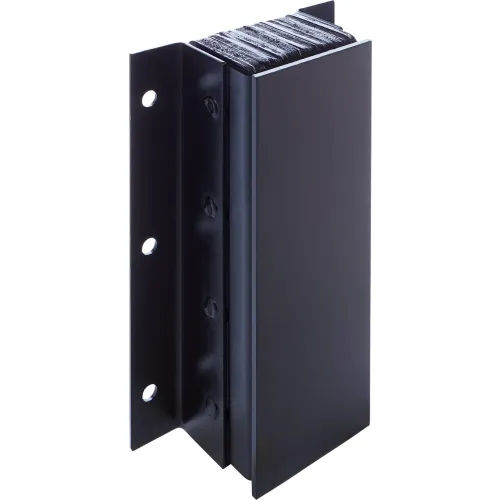 Steel-Faced Laminated Rubber Bumper: 5 Field Problems Buyers Keep Finding After Installation
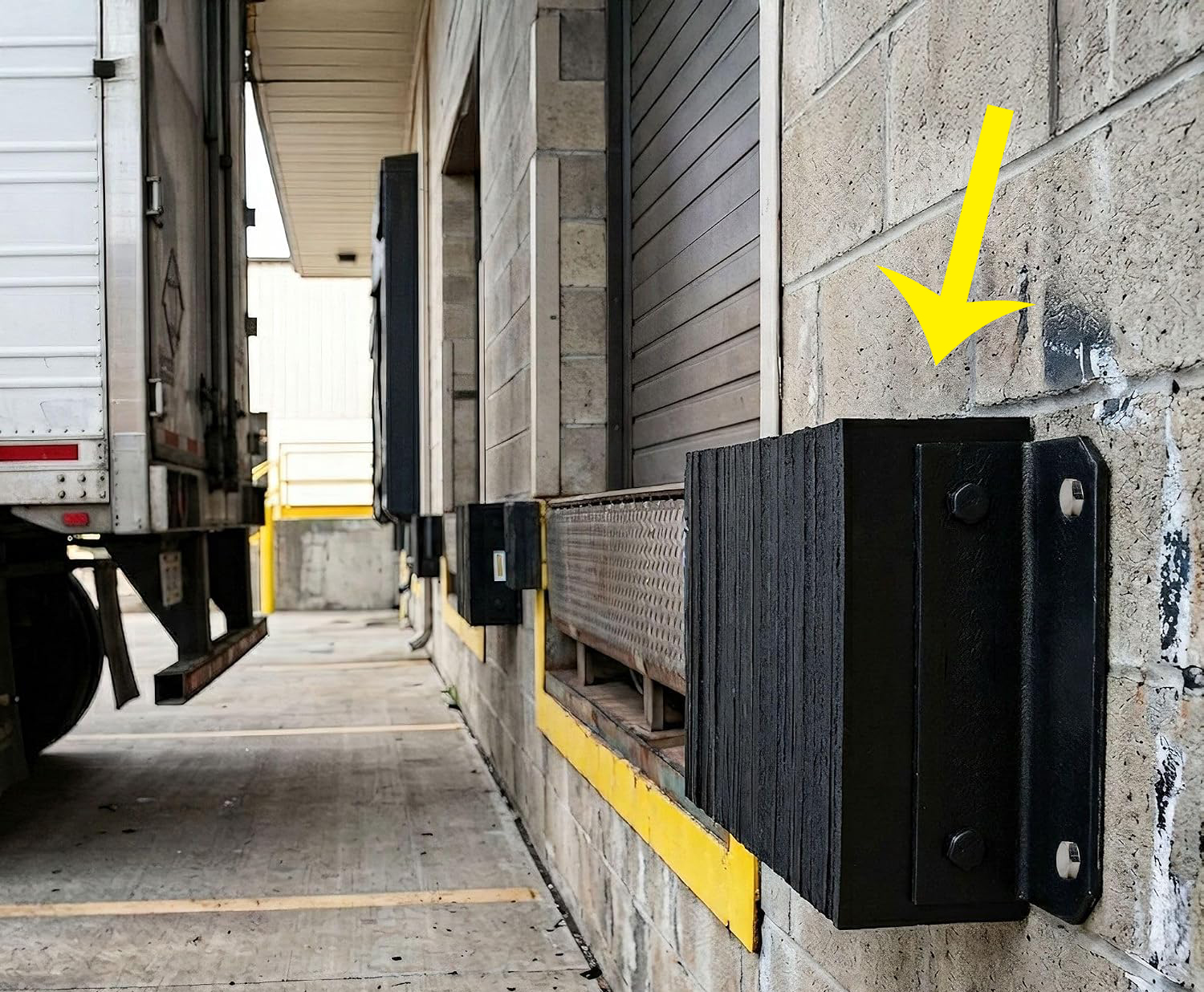 Rubber Laminated Loading Dock Bumper with Steel Angle: 5 Field Failure Signs That Point Back to the RFQ
 Bridge Bearing Pad Field Failure: 5 Visual Signs Before It Retires (And What Caused It)
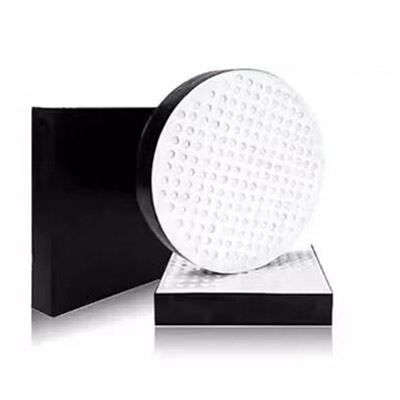 Bridge Bearing Pad RFQ Checklist: 9 Lines That Stop Suppliers From Subbing the Rubber