
When maintaining industrial systems, repairing pipelines, or conducting pressure tests, rubber service plugs play a critical role in sealing openings safely and efficiently. For high-temperature pipe applications, selecting the right plug involves more than just size compatibility—it requires understanding material durability, thermal resistance, and environmental adaptability. This guide breaks down the essentials for making an informed choice, tailored for professionals in the U.S. industrial sector.
Understand the Temperature Thresholds
High-temperature pipes, commonly found in chemical plants, power generation facilities, or automotive manufacturing, operate under extreme heat. Rubber service plugs must withstand these conditions without degrading. The key is to identify the maximum temperature your pipes will reach and select a plug rated for higher thresholds. For example, if your system operates at 300°F, opt for a plug designed for at least 350°F to account for potential spikes. Standard rubber compounds like silicone or fluorocarbon often excel in heat resistance, but always verify manufacturer specifications. Ignoring temperature ratings can lead to premature failure, leaks, or even safety hazards.
Material Matters: Beyond Basic Rubber
Not all rubber is created equal. For high-temperature environments, the material’s chemical structure determines its performance. Silicone rubber, for instance, retains flexibility and sealing properties up to 500°F, making it ideal for steam lines or exhaust systems. Fluorocarbon (Viton) plugs offer superior resistance to oils, fuels, and aggressive chemicals, often handling temperatures up to 400°F. Nitrile rubber, while cost-effective, may only suit applications below 250°F. Consider the pipe’s contents too—corrosive substances or abrasive particles demand a material that resists both heat and chemical wear. When in doubt, consult material data sheets or industry standards like ASTM D2000 for guidance.
Size and Fit: Precision Is Non-Negotiable
A plug that’s too small won’t seal; one that’s too large won’t fit. Start by measuring the pipe’s inner diameter (ID) accurately. Many service plugs are designed for specific ID ranges, so round to the nearest standard size. For irregular openings, such as those with minor corrosion or uneven edges, opt for rubber plugs with a slightly larger diameter and a tapered design to ensure a snug fit. Over-sizing risks instability, while under-sizing compromises the seal. Additionally, consider the plug’s length—longer plugs may be necessary for deep or threaded openings. Always cross-reference dimensions with the manufacturer’s catalog to avoid errors.
Pressure Ratings: Don’t Overlook the Force
High-temperature pipes often handle high pressure, whether from steam, compressed air, or hydraulic fluids. A rubber service plug must withstand both the heat and the internal force without extruding or rupturing. Manufacturers typically provide pressure ratings in pounds per square inch (PSI) at specific temperatures. For example, a plug rated for 500 PSI at 200°F might only handle 300 PSI at 350°F. Calculate the worst-case scenario for your system—peak pressure during operation, testing, or emergencies—and choose a plug that exceeds this value. Underestimating pressure can lead to catastrophic failures, so err on the side of caution.
Chemical Compatibility: A Silent Deal-Breaker
Even if a rubber plug resists heat and pressure, exposure to incompatible chemicals can cause swelling, cracking, or loss of elasticity. High-temperature environments often involve aggressive substances like acids, solvents, or oils. For instance, silicone plugs may degrade when exposed to concentrated sulfuric acid, while fluorocarbon plugs excel in such conditions. Review the pipe’s contents and cross-reference them with the service plug’s chemical resistance chart. If your system handles multiple chemicals, prioritize a material with broad compatibility or use specialized plugs for different sections. Regular inspections are also vital—discoloration, hardening, or brittleness signal chemical damage.
Ease of Installation and Removal
In industrial settings, time is money. A plug that’s difficult to install or remove slows down maintenance and increases labor costs. Look for designs with ergonomic handles, non-slip surfaces, or integrated grips. Some rubber service plugs feature a “push-and-twist” mechanism for quick sealing, while others require wrenches or clamps. Consider the workspace constraints too—tight or awkward areas may demand compact, one-handed tools. Additionally, assess how often the plug will be used. For frequent access points, invest in reusable plugs with durable construction. Temporary seals, however, might prioritize affordability over longevity.
Regulatory Compliance and Safety Standards
Industries like oil and gas, aerospace, or food processing often adhere to strict safety regulations. Ensure your rubber service plugs meet standards such as ASME (American Society of Mechanical Engineers), FDA (for food-grade applications), or OSHA guidelines. Compliance isn’t just about avoiding fines—it’s about protecting workers and equipment. For example, plugs used in pressurized systems may require certification for burst resistance. If your operation involves hazardous materials, verify that the plug’s material won’t react dangerously. When in doubt, request certification documents from the supplier or consult industry-specific guidelines.
Conclusion: A Holistic Approach to Selection
Choosing the right rubber service plug for high-temperature pipes demands a balance of technical knowledge and practical considerations. Temperature and pressure ratings form the foundation, but material compatibility, chemical resistance, and ease of use are equally critical. By prioritizing safety, efficiency, and longevity, professionals can avoid costly downtime and ensure seamless operations. Remember, the cheapest option isn’t always the most cost-effective—invest in quality plugs that align with your system’s demands. With the right selection, you’ll achieve reliable seals, extended equipment life, and peace of mind in even the most demanding environments.
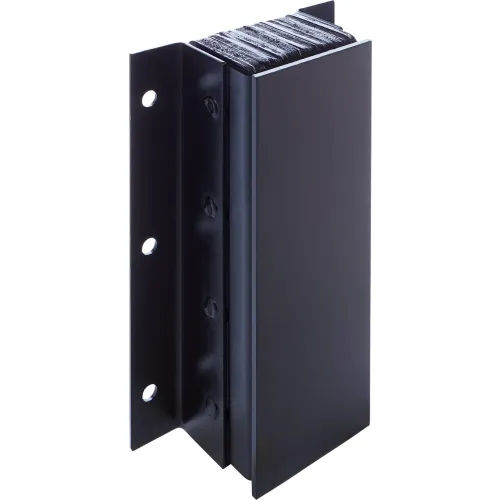 Steel-Faced Laminated Rubber Bumper: 5 Field Problems Buyers Keep Finding After Installation
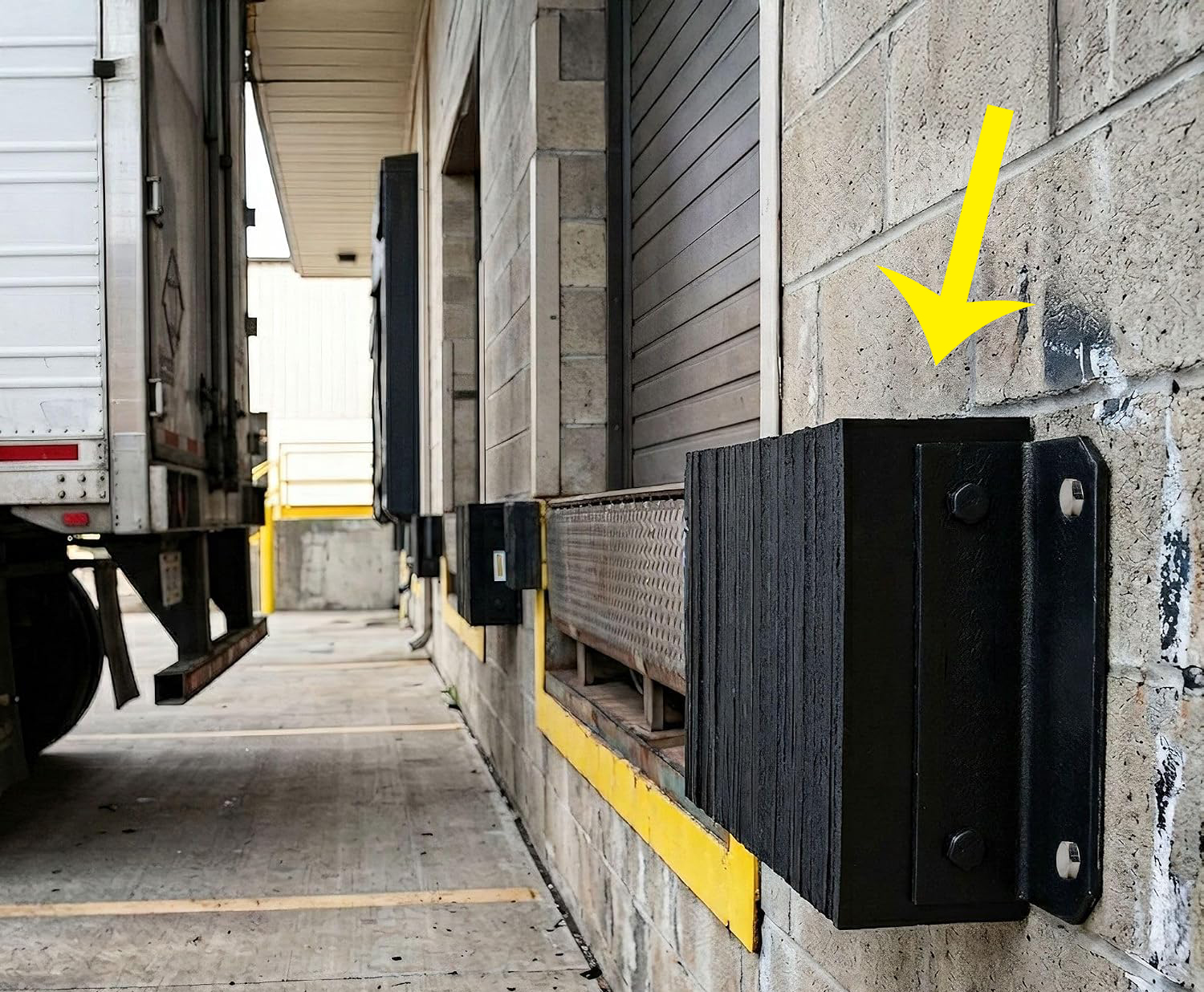 Rubber Laminated Loading Dock Bumper with Steel Angle: 5 Field Failure Signs That Point Back to the RFQ
 Bridge Bearing Pad Field Failure: 5 Visual Signs Before It Retires (And What Caused It)
 Bridge Bearing Pad RFQ Checklist: 9 Lines That Stop Suppliers From Subbing the Rubber