
Rubber service plugs are essential components in industries ranging from automotive manufacturing to plumbing and construction. Designed to seal openings temporarily or permanently, these versatile tools prevent contamination, moisture intrusion, and debris buildup. However, storing them in humid environments poses challenges that can compromise their durability and effectiveness. This guide explores practical strategies to ensure rubber service plugs remain in optimal condition, even in high-moisture settings.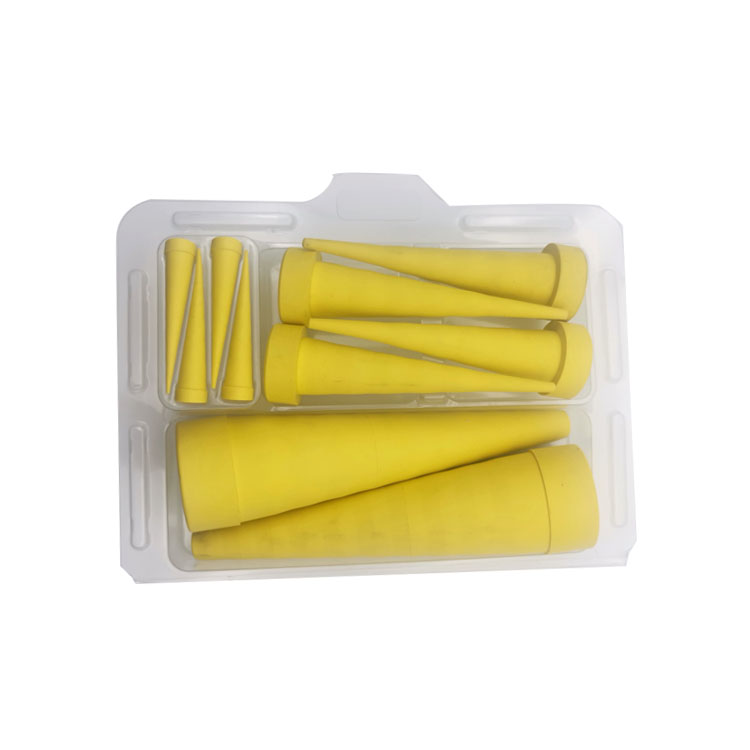
Understanding the Impact of Humidity on Rubber
Rubber, whether natural or synthetic, is hygroscopic—meaning it absorbs moisture from the air. In humid conditions, this absorption can lead to swelling, softening, or surface degradation. Over time, prolonged exposure may cause the material to lose elasticity, crack, or develop mold. For industries relying on precise sealing, such compromised service plugs can result in leaks, equipment damage, or safety hazards. Recognizing these risks is the first step toward effective storage solutions.
Choose the Right Storage Environment
The ideal storage space for rubber service plugs balances temperature control, ventilation, and humidity regulation. Aim for environments with relative humidity levels below 60% to minimize moisture absorption. Climate-controlled rooms or warehouses with dehumidifiers are optimal. If such facilities aren’t available, prioritize well-ventilated areas away from direct sunlight, water sources, or steam-producing equipment. Avoid basements or outdoor sheds, where humidity fluctuations are common.
Utilize Airtight Containers for Protection
Sealing rubber plugs in airtight containers is a simple yet effective way to shield them from humidity. Opt for plastic bins with secure lids or vacuum-sealed bags to create a barrier against moist air. For added protection, include desiccant packets—small sachets containing silica gel or clay—inside containers to absorb residual moisture. Label containers clearly to avoid frequent opening, which can introduce humid air. This method is particularly useful for long-term storage or when transporting service plugs to job sites.
Implement Desiccants and Moisture Absorbers
Desiccants are indispensable tools for maintaining dry conditions in storage areas. Silica gel, a common desiccant, can reduce humidity levels inside containers by up to 40%. For larger spaces, consider industrial-grade moisture absorbers like calcium chloride-based products, which can be placed strategically around storage zones. Replace desiccants regularly, as their effectiveness diminishes over time. This proactive approach ensures rubber plugs remain dry even in naturally damp environments.
Avoid Direct Contact with Surfaces
Storing rubber plugs directly on concrete floors or metal shelves can exacerbate moisture-related issues. Concrete, in particular, wicks moisture from the ground, while metal may condense water in humid air. Instead, use wooden pallets, plastic racks, or elevated shelving to keep plugs off the ground. This prevents direct exposure to damp surfaces and promotes air circulation. For added organization, stack plugs horizontally with spacing between layers to avoid deformation.
Regular Inspection and Rotation
Even with optimal storage conditions, periodic checks are crucial. Inspect rubber plugs monthly for signs of discoloration, brittleness, or mold growth. Rotate stock by placing older items at the front of shelves to ensure they’re used first. This practice prevents long-term neglect of plugs stored in less-than-ideal spots. During inspections, discard any plugs showing irreversible damage, as using compromised components can lead to costly failures downstream.
Temperature Control: A Critical Factor
While humidity is the primary concern, temperature fluctuations also affect rubber longevity. Extreme heat accelerates degradation, while cold temperatures can make rubber brittle. Maintain storage temperatures between 50°F and 85°F (10°C–30°C) to preserve elasticity. If using climate-controlled spaces isn’t feasible, avoid storing rubber plugs near HVAC vents, windows, or doors where temperatures swing dramatically. Consistency is key to preventing material fatigue.
Training Teams on Best Practices
Educating staff on proper storage protocols ensures consistency across operations. Conduct training sessions to highlight the importance of humidity control, container selection, and inspection routines. Provide visual guides or checklists for quick reference. Encourage teams to report any storage issues promptly, such as condensation in containers or mold growth. A culture of vigilance reduces the risk of human error and extends the lifespan of rubber components.
Final Thoughts: Proactive Maintenance Saves Costs
Storing rubber service plugs in humid conditions requires foresight, but the payoff is significant. By implementing these strategies, businesses can avoid premature replacement costs, project delays, and safety risks. From selecting the right containers to monitoring environmental conditions, each step contributes to preserving the integrity of rubber components. In industries where reliability is non-negotiable, investing in proper storage isn’t just practical—it’s essential.
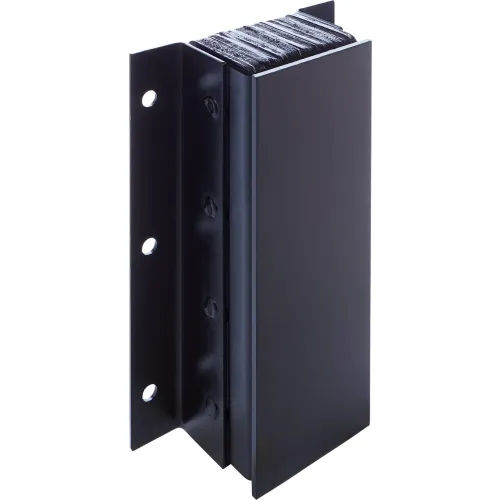 Steel-Faced Laminated Rubber Bumper: 5 Field Problems Buyers Keep Finding After Installation
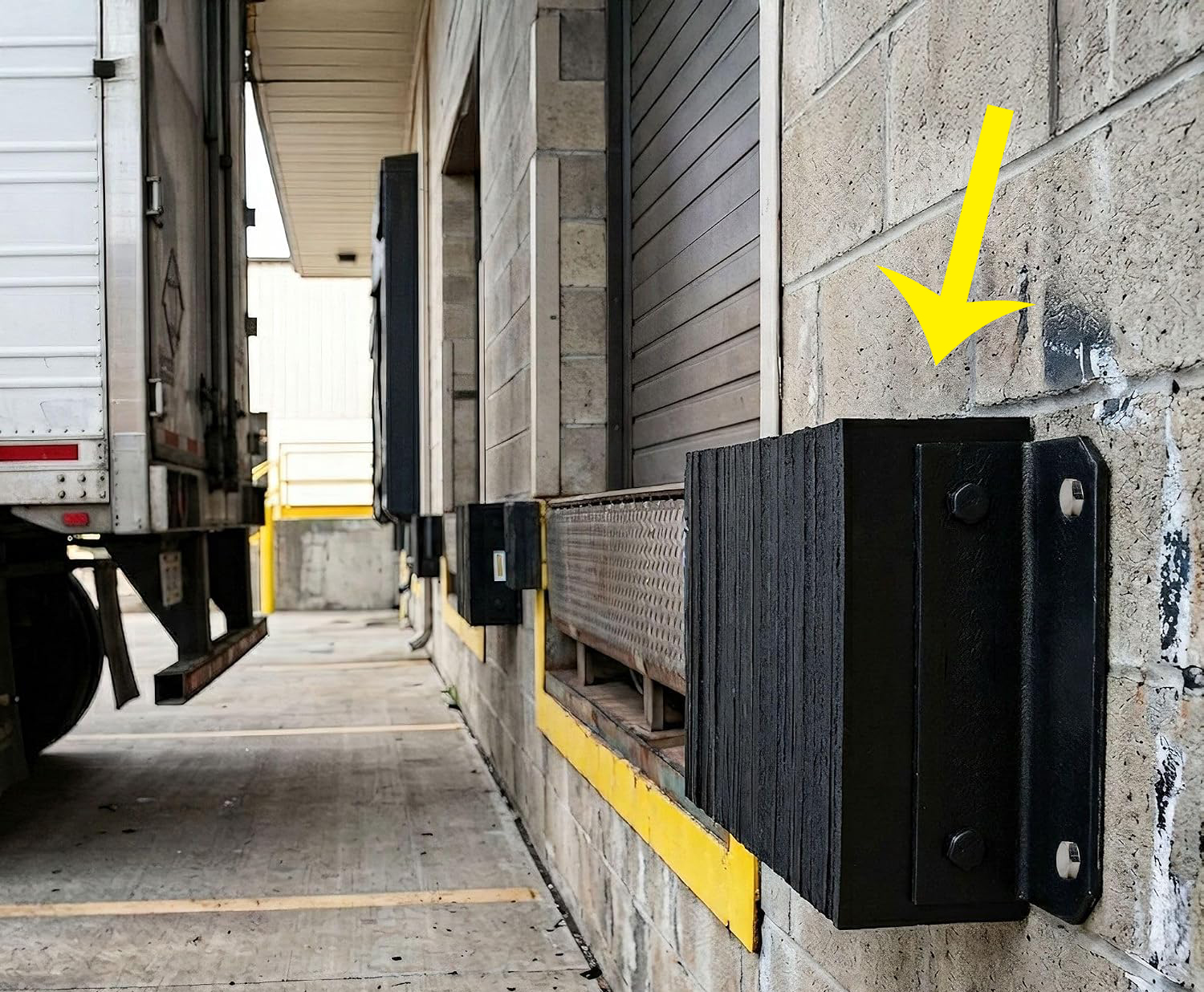 Rubber Laminated Loading Dock Bumper with Steel Angle: 5 Field Failure Signs That Point Back to the RFQ
 Bridge Bearing Pad Field Failure: 5 Visual Signs Before It Retires (And What Caused It)
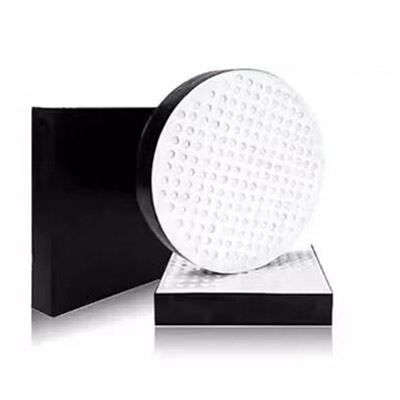 Bridge Bearing Pad RFQ Checklist: 9 Lines That Stop Suppliers From Subbing the Rubber