
Outdoor projects demand materials that withstand the elements while maintaining functionality. When sealing pipes, hoses, or equipment, professionals often ask: Can rubber service plugs hold up in rain, sun, or freezing temperatures? The answer lies in understanding their material properties, design features, and real-world applications. Let’s explore why these versatile plugs might be the solution you’ve been searching for.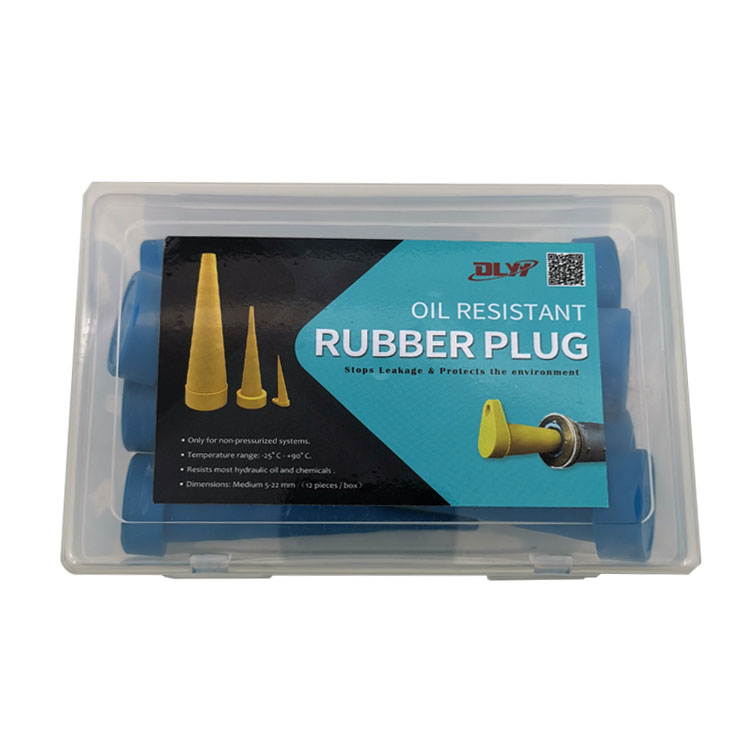
The Science Behind Rubber’s Resilience
Rubber’s natural elasticity and durability make it a top choice for outdoor sealing. Unlike rigid plastics or metals, rubber can flex under pressure without cracking. This flexibility allows it to create airtight seals even when exposed to temperature fluctuations. For example, a rubber plug installed in a garden irrigation system can expand or contract slightly with seasonal changes, preventing leaks.
Additionally, rubber is inherently water-resistant. Its molecular structure repels moisture, making it ideal for rainy climates or damp environments. When properly cured, rubber also resists UV degradation, ensuring it won’t dry out or become brittle under prolonged sun exposure. This combination of traits positions hydraulic hose rubber plugs as a reliable choice for outdoor use.
Weathering the Storm: Temperature and Climate Adaptability
Outdoor conditions vary dramatically, from scorching summers to icy winters. Rubber service plugs excel in these extremes due to their wide temperature tolerance. High-quality rubber maintains its shape and sealing properties in temperatures ranging from -40°F to 220°F (-40°C to 104°C), covering most climates in the U.S.
In freezing conditions, rubber’s flexibility prevents it from shattering like hard plastics. Conversely, in heat, it won’t melt or deform as some synthetic materials might. This adaptability is crucial for applications like pool equipment, HVAC systems, or automotive components exposed to year-round weather shifts.
UV Resistance: Protecting Against Sun Damage
Prolonged sun exposure can wreak havoc on outdoor materials. UV rays break down chemical bonds in plastics and metals, causing them to fade, crack, or corrode. Rubber, however, contains additives that neutralize UV radiation, extending its lifespan.
For instance, a rubber plug used to seal outdoor electrical boxes remains pliable and intact even after years of direct sunlight. This resistance reduces maintenance costs and ensures long-term safety. When selecting rubber plugs for sunny regions, look for products labeled “UV-stabilized” to maximize durability.
Chemical and Environmental Resistance
Outdoor environments often expose materials to chemicals, oils, or pollutants. Rubber’s innate resistance to many acids, bases, and solvents makes it suitable for industrial settings or areas near roads where de-icing salts are common.
A rubber plug sealing a drainage pipe in a factory yard, for example, won’t degrade when exposed to occasional chemical spills. Similarly, in coastal regions, rubber resists saltwater corrosion better than most metals. This chemical stability ensures the hydraulic hose rubber plug maintains its seal without requiring frequent replacements.
Versatility Across Industries
Rubber service plugs aren’t limited to a single use case. Their adaptability shines across diverse sectors:
Automotive: Sealing fuel lines or coolant systems during repairs.
Construction: Temporarily capping pipes during building projects.
Agriculture: Protecting irrigation systems from debris.
Telecommunications: Waterproofing outdoor cable connections.
In each scenario, the hydraulic hose rubber plug’s ability to conform to irregular shapes and resist environmental stressors proves invaluable. For example, a plumber might use a rubber plug to seal a threaded pipe during pressure testing, relying on its grip to prevent leaks even under high water pressure.
Ease of Installation and Removal
Outdoor projects often require quick, temporary solutions. Rubber service plugs shine here due to their simple design. Many feature tapered shapes or ribbed textures that create friction when inserted, eliminating the need for adhesives or tools.
Imagine sealing a garden hose fitting overnight to prevent pests from entering. A rubber plug can be pressed into place by hand and removed just as easily the next morning. This convenience saves time and labor, especially in remote locations where tools aren’t readily available.
Cost-Effectiveness and Longevity
When evaluating outdoor sealing options, cost and durability are key. Rubber plugs offer a balance of affordability and longevity. While initial costs may be slightly higher than disposable plastic alternatives, their reusability and resistance to wear justify the investment.
A single rubber service plug can last for years in moderate climates, whereas cheaper materials might need annual replacement. For businesses managing large-scale projects, this reduces downtime and material waste, aligning with sustainable practices.
Conclusion: A Reliable Choice for Outdoor Applications
Rubber service plugs are more than just temporary fixes—they’re engineered to endure. Their resistance to temperature extremes, UV rays, chemicals, and physical stress makes them ideal for outdoor use. Whether sealing pipes in a backyard, protecting equipment on a construction site, or maintaining industrial systems, these plugs provide a cost-effective, durable solution.
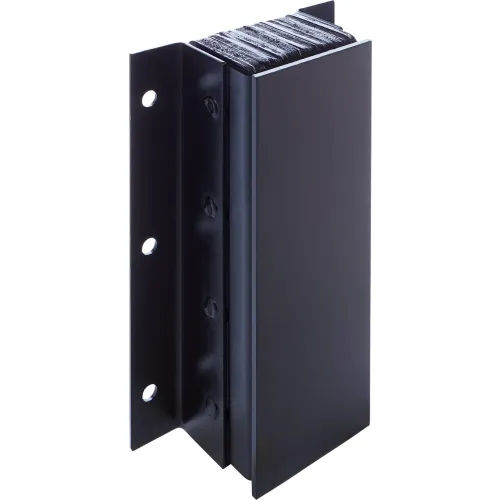 Steel-Faced Laminated Rubber Bumper: 5 Field Problems Buyers Keep Finding After Installation
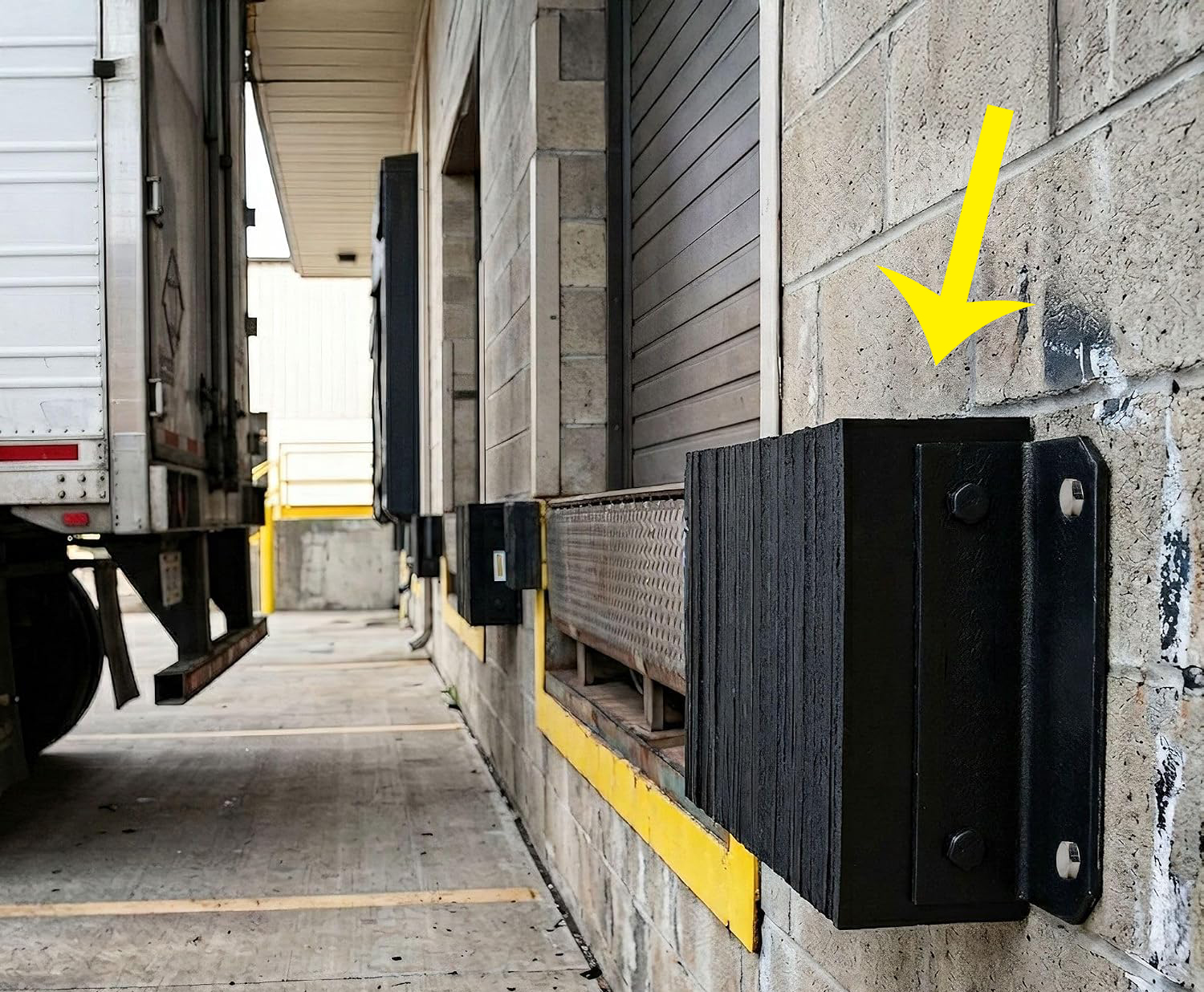 Rubber Laminated Loading Dock Bumper with Steel Angle: 5 Field Failure Signs That Point Back to the RFQ
 Bridge Bearing Pad Field Failure: 5 Visual Signs Before It Retires (And What Caused It)
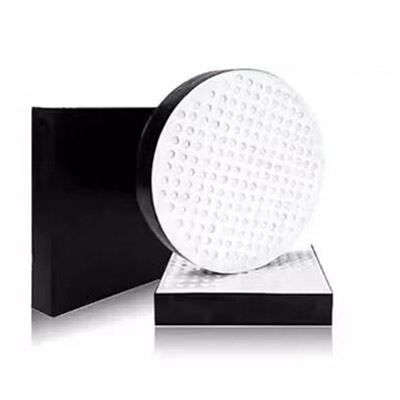 Bridge Bearing Pad RFQ Checklist: 9 Lines That Stop Suppliers From Subbing the Rubber