
For industries ranging from marine operations to heavy machinery handling, rubber inflatable airbags have become indispensable tools. These versatile devices, designed for lifting, cushioning, and stabilizing, are trusted for their durability and adaptability. If you’re based in the United States and searching for reliable sources to purchase these products, this guide will walk you through key considerations, applications, and where to find them.

Understanding the Applications of Rubber Inflatable Airbags
Before diving into purchasing options, it’s essential to grasp why these airbags are so widely used. Their primary applications include:
Marine Industry: Ship launching and landing rely on airbags to evenly distribute weight and reduce friction. They’re also used for salvage operations and floating dock installations.
Construction & Heavy Lifting: Airbags provide a safe, controlled method for moving large objects like concrete blocks or industrial equipment.
Transportation: Trucking companies use them to secure cargo during transit, preventing shifts that could lead to accidents.
Emergency Response: In disaster scenarios, airbags help stabilize structures or lift debris for rescue efforts.
The flexibility of these airbags—literally and figuratively—makes them a go-to solution across diverse sectors. Their rubber construction ensures resistance to punctures, chemicals, and extreme temperatures, which is critical for both safety and longevity.
Key Features to Look for When Buying
Not all rubber inflatable airbags are created equal. To ensure you’re investing in a product that meets your needs, prioritize these features:
Material Quality: High-grade rubber compounds resist abrasion and UV degradation, extending the airbag’s lifespan.
Load Capacity: Manufacturers rate airbags by their maximum load-bearing capacity. Choose a model that exceeds your project’s requirements for safety margins.
Inflation Mechanism: Some airbags use manual pumps, while others integrate electric or air compressors. Consider ease of use and portability.
Layer Construction: Multi-layer designs enhance durability. For example, airbags with reinforced fibers can handle higher pressures without bulging.
Certifications: Look for products that meet industry standards like ISO or ASTM, which indicate rigorous testing for performance and safety.
By evaluating these factors, you’ll narrow down options to those built for reliability.
Where to Buy Rubber Inflatable Airbags in the US
Now, let’s explore the most accessible channels for purchasing these products stateside:
1. Industrial Supply Distributors
Companies specializing in industrial equipment often carry rubber airbags as part of their lifting or marine product lines. These distributors typically offer bulk pricing and technical support, making them ideal for large-scale projects. Many have e-commerce platforms with detailed product specs, allowing you to compare options before visiting a physical store.
2. Marine & Shipping Equipment Retailers
Given their prominence in maritime applications, retailers catering to boat builders, dock operators, and salvage teams are likely to stock airbags. These stores may also provide accessories like valves, hoses, and repair kits. If you’re near a coastal city or port, local suppliers might offer same-day pickup or delivery.
3. Online Marketplaces
Platforms like Amazon, eBay, and specialized B2B marketplaces list rubber airbags from various sellers. While convenient, exercise caution: verify seller ratings, read customer reviews, and check return policies. Some sellers even offer customization options, such as size or color, though these may come at a premium.
4. Trade Shows & Industry Events
Attending trade shows focused on construction, marine technology, or logistics can connect you directly with manufacturers and distributors. These events often feature live demonstrations, allowing you to assess product quality firsthand. Plus, you might snag exclusive discounts or networking opportunities.
5. Direct from Manufacturers (Through Authorized Dealers)
While buying directly from overseas factories isn’t always feasible, some US-based dealers partner with global manufacturers to distribute their products. This route can ensure authenticity and access to warranties. Reach out to manufacturers’ websites to find authorized dealers in your state.
Tips for Comparing Prices and Services
Price shouldn’t be the sole deciding factor. Consider these additional aspects:
Shipping Costs: Heavy items like airbags may incur high freight fees. Look for sellers offering free or flat-rate shipping.
Customer Support: Opt for companies with knowledgeable staff who can answer technical questions about inflation pressure or maintenance.
Warranty Coverage: A solid warranty protects against defects. Some sellers even offer on-site repairs or replacements.
Bulk Discounts: If purchasing multiple airbags, ask about volume pricing. Distributors may lower per-unit costs for orders above a certain threshold.
The Future of Rubber Inflatable Airbags
As industries evolve, so do these tools. Innovations like smart sensors for real-time pressure monitoring and eco-friendly rubber compounds are on the horizon. Additionally, 3D printing could enable custom shapes tailored to niche applications. Staying informed about trends ensures your investment remains relevant as technology advances.
Conclusion: Making an Informed Purchase
Rubber inflatable airbags are a smart addition to any toolkit requiring lifting, stabilizing, or cushioning. By understanding their applications, prioritizing key features, and exploring reputable US-based suppliers, you’ll secure a product that delivers value for years. Whether you’re launching a ship, securing cargo, or managing a construction site, the right airbag can turn challenging tasks into manageable ones. Start your search today by reaching out to local distributors or browsing trusted online platforms—your next project might depend on it.
By following this guide, you’re equipped to navigate the market with confidence, ensuring your operations run smoothly and safely.
 How Much Load Can a Bridge Bearing Pad Actually Carry? Engineering Data for Safe Girder Support
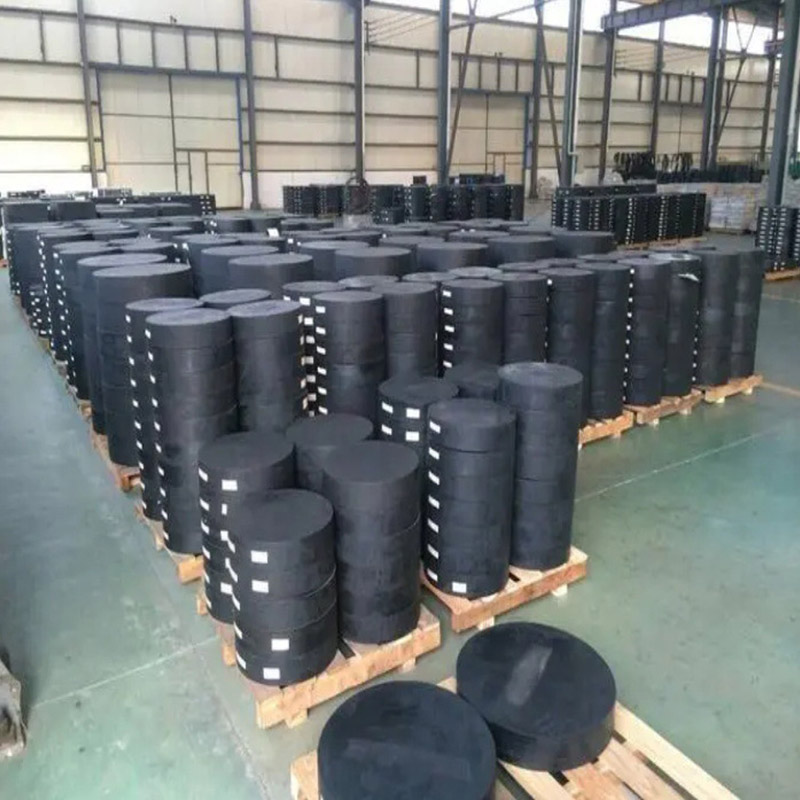 Is Your Bridge Bearing Pad Specified for the Wrong Rubber Grade? Why Elastomeric Bridge Bearing Pad Selection Decides 50-Year Deck Life
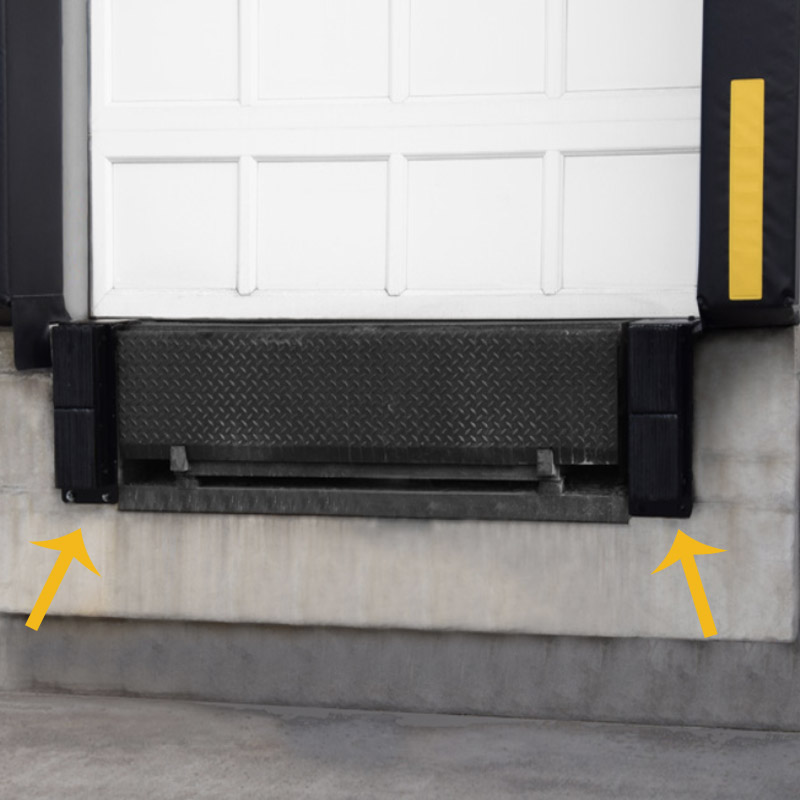 Can a Loading Dock Bumper Survive -30°C Winters and +50°C Summers? Here Is the Extreme-Weather Data
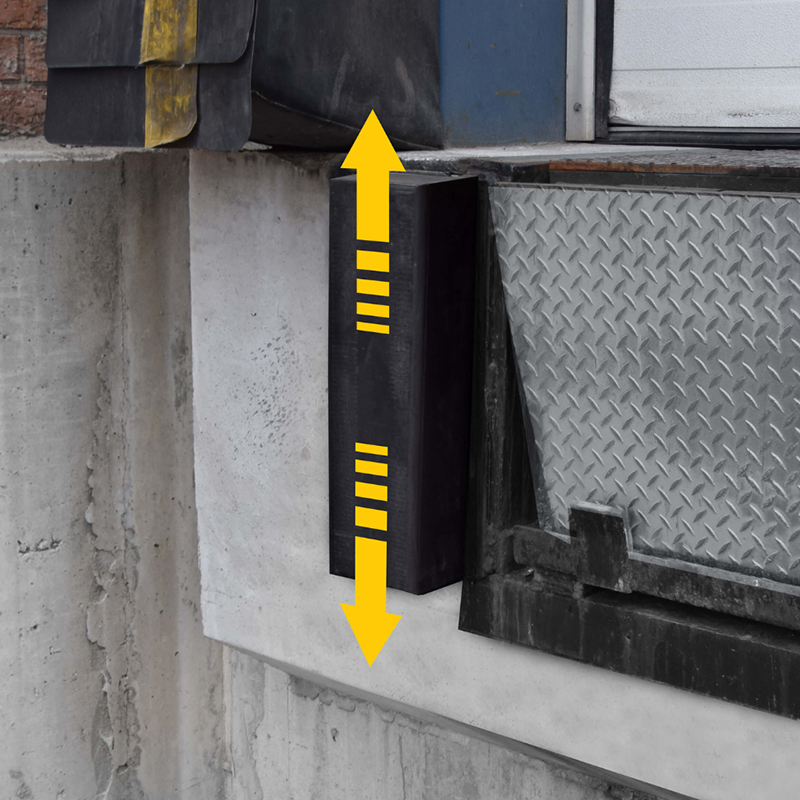 Are Your Dock Bumpers Specified for the Wrong Impact Profile? Why a Loading Dock Bumper with a Steel Face Outperforms in Real Traffic