
Agricultral equipment operates in some of the harshest environments imaginable—exposed to dirt, moisture, chemicals, and extreme temperatures. To function reliably, machinery requires components that can withstand these conditions while protecting sensitive systems. Rubber service plugs, versatile and durable, have emerged as a practical solution for sealing, insulating, and shielding parts in agricultural machinery. But how exactly do they fit into this sector? Let’s explore their applications, benefits, and why they’re becoming indispensable in modern farming.
Protecting Sensitive Components from Environmental Damage
Agricultural equipment, from tractors to irrigation systems, relies on electronic and hydraulic components that are vulnerable to water, dust, and debris. Rubber service plugs act as barriers, sealing openings in casings, connectors, or ports to prevent contamination. For example, a plug inserted into an unused sensor port keeps moisture from corroding electrical contacts, while a threaded plug in a hydraulic line prevents dirt from entering and clogging the system. Their flexibility allows them to conform to irregular shapes, ensuring a tight seal even in rugged machinery.
Versatility Across Different Agricultural Applications
The adaptability of rubber service plugs makes them suitable for a wide range of farming equipment. In tractors, they’re used to cap fuel tank openings during maintenance or to seal unused diagnostic ports. Combine harvesters, which operate in dusty fields, utilize plugs to protect exposed threads on hydraulic fittings. Even smaller tools, like seed drills or fertilizer spreaders, benefit from rubber plugs that shield calibration ports from debris. Their ability to resist oils, fuels, and UV rays ensures they don’t degrade quickly, even under constant exposure to sunlight or chemicals.
Enhancing Safety During Maintenance and Storage
When equipment is serviced or stored, open ports and connectors pose safety risks. A loose hole in a fuel system, for instance, could allow spills or introduce contaminants. Rubber service plugs provide a simple yet effective way to cap these openings temporarily, reducing accident risks. During long-term storage, plugs also prevent insects or rodents from nesting inside machinery, which could cause damage when the equipment is put back into use. Farmers appreciate tools that simplify routine tasks, and these rubber seal plugs are no exception—they’re easy to install and remove, saving time during busy seasons.
Cost-Effectiveness Compared to Alternative Solutions
Replacing damaged components due to environmental exposure can be expensive. Rubber service plugs offer a proactive, low-cost way to extend the lifespan of agricultural equipment. Unlike metal caps, which may rust or require tools to install, rubber plugs are lightweight, corrosion-resistant, and often reusable. They’re also available in bulk at affordable prices, making them accessible to small-scale farmers and large operations alike. By investing in these plugs, farmers reduce downtime and maintenance costs, ultimately improving their bottom line.
Compatibility with Modern Precision Agriculture
Precision farming relies on technology like GPS-guided tractors and sensor-driven irrigation systems. These tools demand precise calibration and protection from external interference. Rubber service plugs play a role here by sealing unused input/output ports on control modules or shielding connector points from dust. Their non-conductive properties also prevent short circuits in electrical systems, ensuring uninterrupted operation. As agriculture becomes increasingly high-tech, the demand for reliable, non-intrusive sealing solutions like these rubber seal plugs will only grow.
Environmental Sustainability in Farming Practices
Sustainability is a growing priority in agriculture, and rubber service plugs align with eco-friendly goals. Many are made from recyclable materials or biodegradable compounds, reducing waste. Their durability means fewer replacements are needed, cutting down on resource consumption. Additionally, by preventing leaks and contamination, they help maintain soil and water quality—critical for organic farming or operations adhering to environmental regulations. Farmers can adopt these rubber plugs as part of a broader strategy to minimize their ecological footprint.
Conclusion: A Small Component with Big Impact
Rubber service plugs might seem like minor accessories, but their role in agricultural equipment is significant. They protect against environmental damage, enhance safety, and support the efficiency of modern farming practices. Their versatility, cost-effectiveness, and compatibility with precision technology make them a valuable asset across the industry. Whether you’re managing a small family farm or a large-scale operation, incorporating these rubber plugs into your maintenance routine can lead to smoother operations, fewer repairs, and longer equipment life. In agriculture, where every detail counts, sometimes the simplest solutions are the most effective.
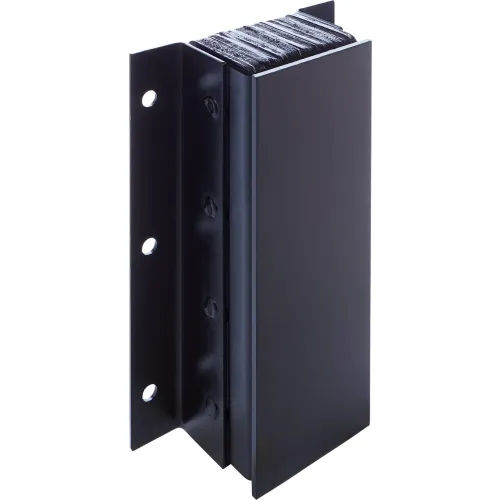 Steel-Faced Laminated Rubber Bumper: 5 Field Problems Buyers Keep Finding After Installation
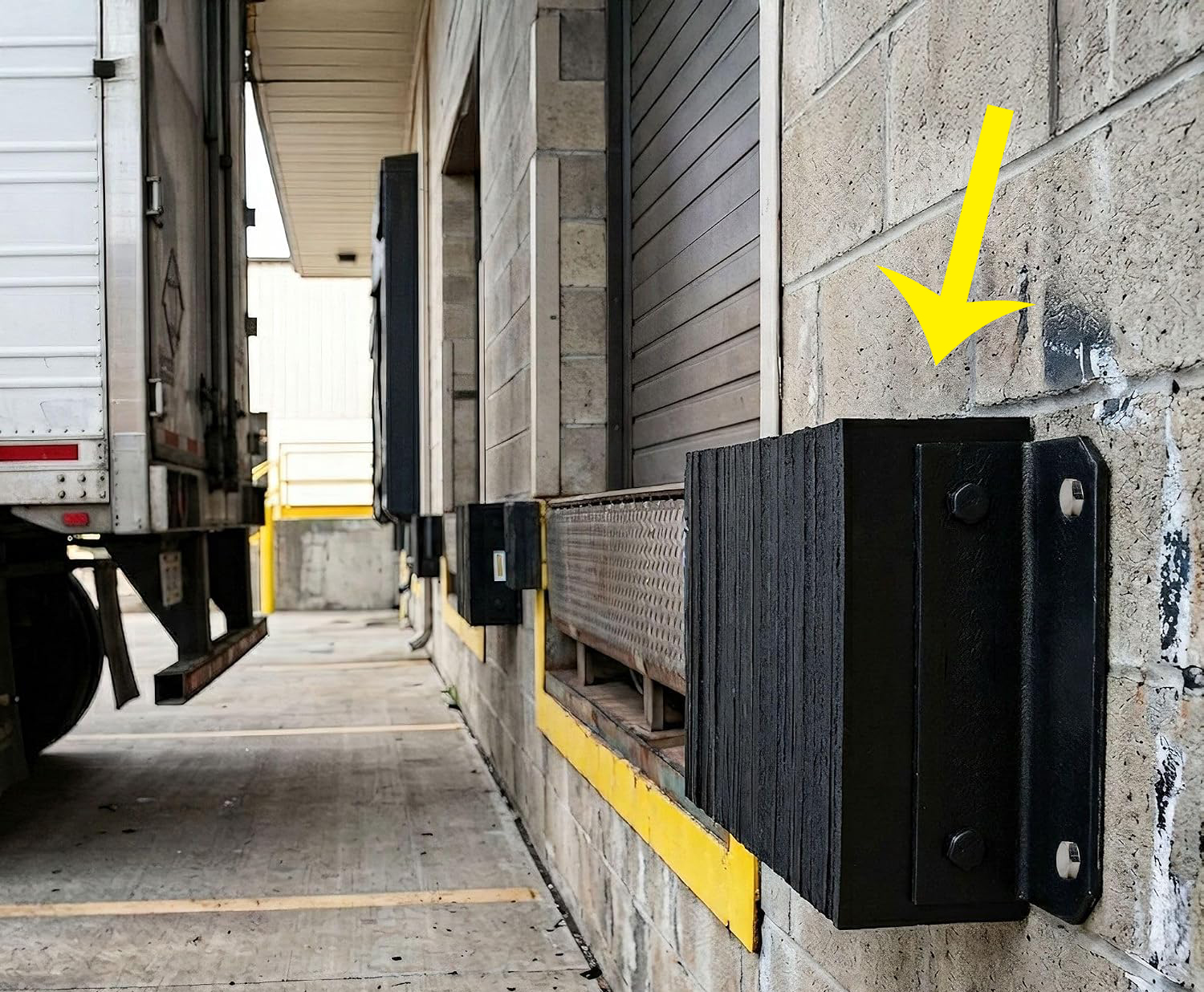 Rubber Laminated Loading Dock Bumper with Steel Angle: 5 Field Failure Signs That Point Back to the RFQ
 Bridge Bearing Pad Field Failure: 5 Visual Signs Before It Retires (And What Caused It)
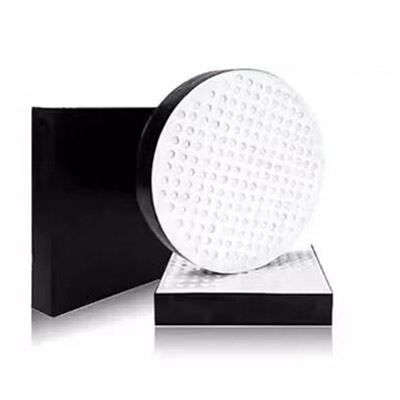 Bridge Bearing Pad RFQ Checklist: 9 Lines That Stop Suppliers From Subbing the Rubber