
Wind turbines stand as modern marvels of engineering, harnessing the power of wind to generate clean, renewable energy. Yet, behind their towering blades and sleek nacelles lies a network of intricate components working silently to ensure efficiency, safety, and longevity. Among these unsung heroes are rubber plugs—small but mighty devices that play a critical role in protecting sensitive equipment, maintaining operational integrity, and optimizing performance. This article explores the multifaceted applications of rubber plgs in wind turbines, shedding light on their design, functionality, and why they are indispensable to the renewable energy sector.
1. Sealing Out the Elements: Weatherproofing Wind Turbine Components
Wind turbines operate in some of the harshest environments on Earth, from coastal regions with salt-laden air to mountainous areas with extreme temperature fluctuations. Rubber plugs act as a first line of defense against these elements. By sealing openings in housing units, access panels, and connector ports, they prevent moisture, dust, and debris from infiltrating critical systems. For example, a well-fitted rubber plug can shield electrical connectors from corrosion caused by humidity, ensuring uninterrupted power transmission. Their flexibility allows them to conform to irregular surfaces, creating an airtight barrier that extends the lifespan of internal components.
2. Vibration Dampening: Reducing Wear and Tear
The spinning blades of a wind turbine generate significant vibrations that can reverberate through the entire structure. Over time, these vibrations can loosen fasteners, damage sensitive electronics, and accelerate mechanical wear. Rubber seal plugs, often integrated into mounting systems or used as grommets, absorb and dissipate vibrational energy. Their elastic properties act as shock absorbers, minimizing the transfer of kinetic energy to delicate parts. This not only enhances the durability of the turbine but also reduces maintenance costs by preventing premature failures.
3. Noise Reduction: Creating Quieter Operations
While wind energy is eco-friendly, the noise generated by turbines can be a concern for nearby communities. Rubber service plugs contribute to noise mitigation by dampening sound vibrations. When placed around access hatches, cable entries, or ventilation systems, they muffle rattling or humming noises caused by airflow or mechanical movement. This acoustic insulation is particularly valuable in residential areas, where strict noise regulations apply. By combining functionality with quiet operation, rubber plugs help wind farms maintain good relations with local stakeholders.
4. Cable Management: Organizing and Protecting Wiring
A single wind turbine contains miles of cabling, connecting sensors, controllers, and power systems. Rubber service plugs play a dual role in this setup: they organize cables by securing them in place and protect them from abrasion. By filling gaps in cable conduits or junction boxes, they prevent wires from rubbing against sharp edges or moving parts. This reduces the risk of insulation damage, which could lead to short circuits or electrical fires. Additionally, some rubber seal plugs are designed with split channels, allowing cables to be added or removed without disrupting the entire system.
5. Safety Compliance: Meeting Industry Standards
The wind energy sector adheres to stringent safety protocols to protect workers and equipment. Rubber plugs help manufacturers comply with these standards by providing reliable sealing solutions. For instance, they can be engineered to withstand high-voltage applications, ensuring that electrical enclosures remain insulated. Many are also flame-retardant, reducing fire hazards in case of component overheating. By incorporating rubber plugs into their designs, turbine manufacturers demonstrate a commitment to safety, which is critical for regulatory approval and public trust.
6. Customization for Diverse Applications
Not all wind turbines are created equal, and neither are their rubber plugs. Manufacturers offer a wide range of customizable options to suit specific needs. Some plugs are designed for high-temperature environments, while others resist chemicals or UV exposure. The shape, size, and material composition can be tailored to fit unique openings or withstand particular stresses. For example, a rubber service plug used in offshore turbines might prioritize saltwater resistance, whereas one in arid regions would focus on dust prevention. This versatility ensures that rubber seal plugs remain effective across varied climates and turbine models.
7. Sustainability: Aligning with Green Energy Goals
As the world shifts toward sustainable practices, every component of a wind turbine is scrutinized for its environmental impact. Rubber plugs are no exception. Many are made from recyclable materials or eco-friendly elastomers that minimize waste. Their long service life reduces the need for frequent replacements, further lowering their carbon footprint. By choosing durable, sustainable rubber plugs, wind energy companies reinforce their commitment to reducing emissions—not just through power generation but also in their supply chains.
Conclusion: The Unsung Heroes of Wind Energy
From sealing out storms to silencing vibrations, rubber plugs are quiet workhorses that keep wind turbines running smoothly. Their ability to adapt to harsh conditions, protect vital systems, and enhance safety makes them indispensable in the renewable energy landscape. As technology advances, we can expect these humble components to evolve further, incorporating smarter materials and smarter designs. For now, they remain a testament to how even the smallest parts can play a giant role in shaping a sustainable future.
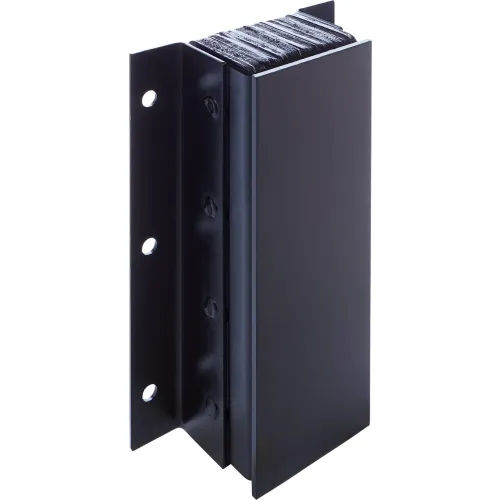 Steel-Faced Laminated Rubber Bumper: 5 Field Problems Buyers Keep Finding After Installation
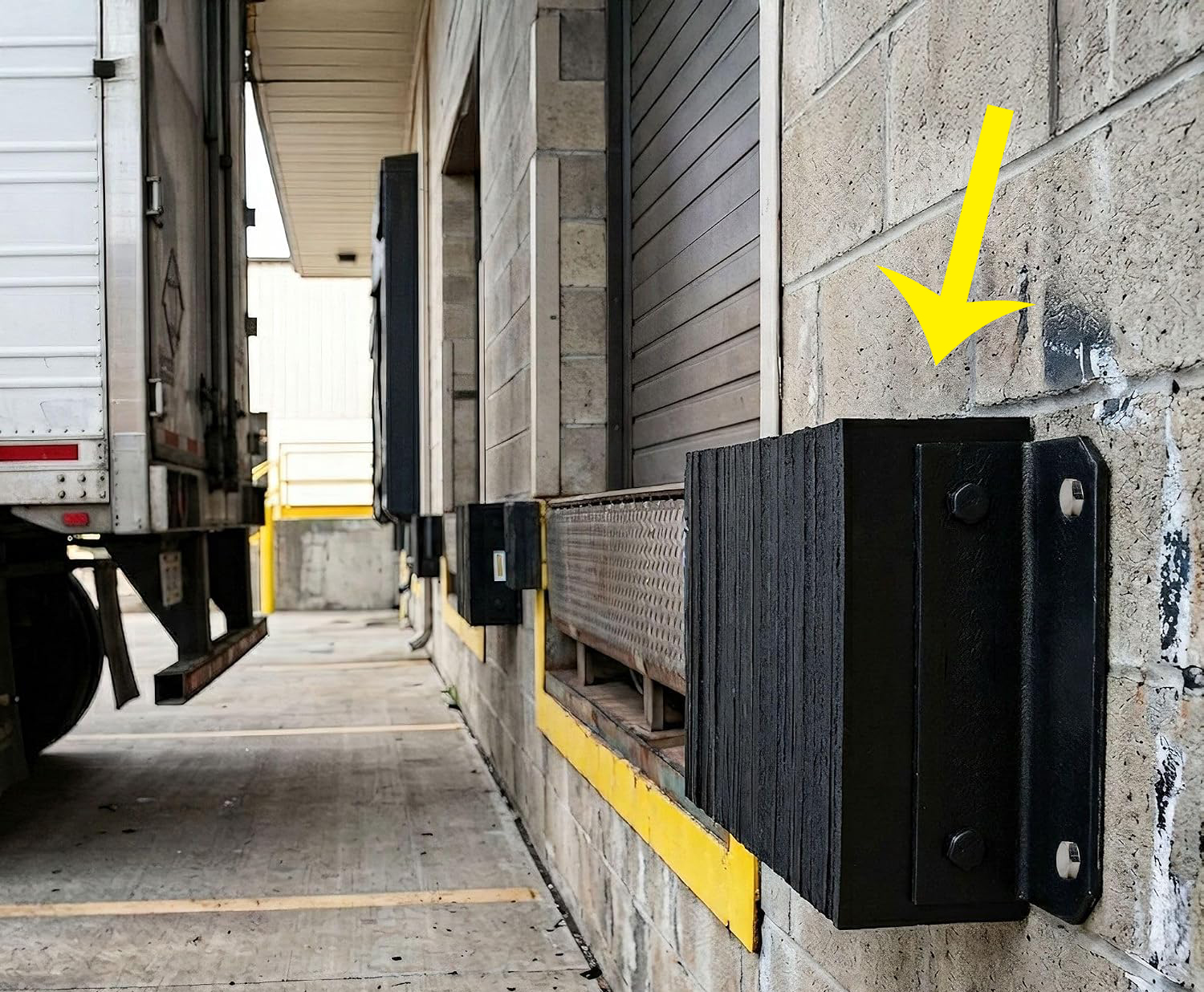 Rubber Laminated Loading Dock Bumper with Steel Angle: 5 Field Failure Signs That Point Back to the RFQ
 Bridge Bearing Pad Field Failure: 5 Visual Signs Before It Retires (And What Caused It)
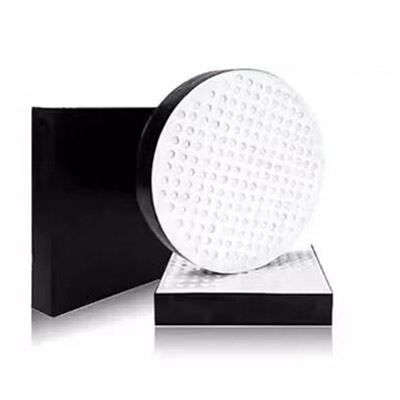 Bridge Bearing Pad RFQ Checklist: 9 Lines That Stop Suppliers From Subbing the Rubber