
When it comes to laboratory work or various sealing applications, rubber plugs play a crucial role in ensuring that containers remain tightly sealed. However, the installation of rubber plugs is not always straightforward and can present a range of challenges if not approached correctly. This article addresses some of the most frequently asked questions about rubber plug installation, covering issues related to size matching, installation processes, special circumstances, and removal concerns.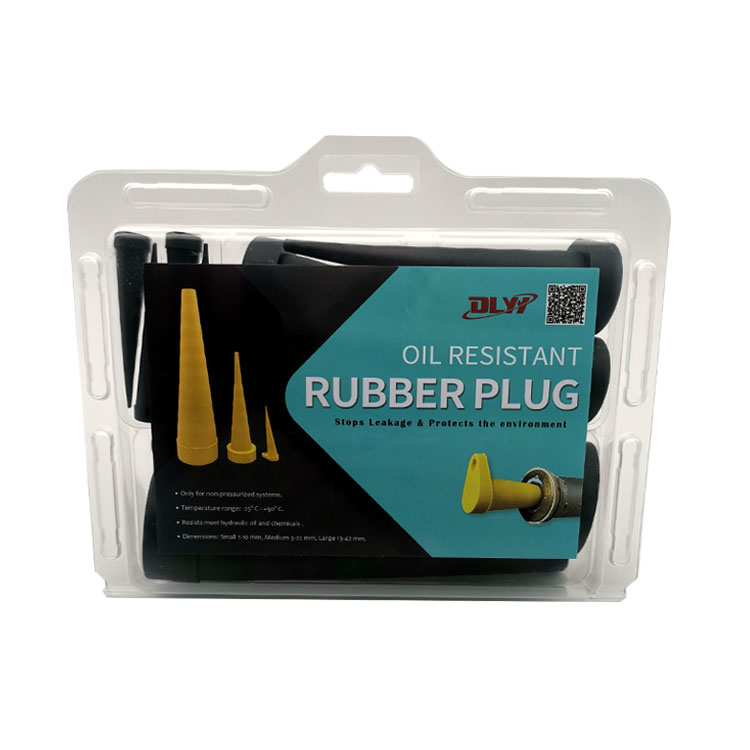
1. Size Matching Issues
One of the primary concerns when installing a rubber plug is ensuring that it matches the size of the container opening. A mismatch between the rubber plug and the container opening can significantly compromise the seal.
Container and Plug Incompatibility: If the rubber plug is too large, it can be extremely difficult to fit it into the container opening. On the other hand, if the plug is too small, it will fail to create a tight seal, potentially leading to gas leaks or liquid spills. Such scenarios can disrupt experiments or storage processes that require airtight conditions.
2. Problems During Installation
The installation process itself can pose several challenges if not executed with care.
Improper Installation Force: Applying excessive force when installing a rubber plug can damage either the plug or the container opening. Conversely, using insufficient force may result in a loose fit, where the plug is not securely anchored. This is particularly critical when installing double-hole rubber plugs in test tubes. To achieve a secure fit, it's often necessary to rotate or gently press the plug to ensure it aligns correctly with the tube's opening, preventing any looseness or misalignment that could affect experimental outcomes.
Incomplete Insertion: If the rubber plug is not fully inserted into the container opening, it cannot form a tight seal. This can impair the effectiveness of containers designed to store substances that require airtight conditions. For instance, a partially inserted plug may fail to meet the sealing requirements for preserving certain materials.
Post-Installation Neglect: Failing to conduct necessary checks after installation can lead to localized sealing issues. For example, gently rotating the rubber plug to ensure it evenly covers the container opening is a step that should not be overlooked, as it helps to confirm a uniform and secure seal.
3. Special Circumstance Considerations
Certain scenarios demand special attention when it comes to rubber plug selection and installation.
Overlooking Special Conditions: In high-temperature, high-pressure, or corrosive liquid environments, standard rubber plugs may not suffice. These conditions often necessitate the use of specialized sealing devices. For instance, in chemical reactions involving strong acids or bases, a regular rubber plug might be corroded, leading to seal failure. Similarly, in piping systems where the media are resistant to acids, alkalis, oils, high temperatures, or other special materials, using a rubber joint rated for pressures higher than the system's operating pressure is essential. Although this example pertains to rubber joints, it underscores the importance of considering rubber product applications in special environments, a principle that also applies to rubber plugs.
Lubricant Omission (If Needed): In situations where rubber plugs are hard to install, the use of lubricants, such as lubricating oil, may facilitate easier insertion. However, this step is often overlooked, potentially leading to installation difficulties.
4. Removal-Related Issues
Removing rubber plugs can be just as problematic as installing them if not handled correctly.
Failing to Check Container Pressure: Attempting to remove a rubber plug without first checking if the container is still pressurized can be dangerous. The sudden release of pressure can cause the plug to be ejected forcefully, potentially causing injury.
Inappropriate Removal Tools: Using improper tools, such as forcibly pulling the plug without a dedicated removal device or specially designed tool, can damage either the plug or the container. It's crucial to use the right tools to avoid such complications.
Dirt or Chemical Residue: If the rubber plug is covered in dirt or chemicals when attempting removal, it can pose risks. For example, certain components in the dirt might react with the removal tool or the surrounding environment, leading to hazardous situations.
In conclusion, the installation and removal of rubber plugs involve more than just a simple fit-and-remove process. They require careful consideration of size compatibility, appropriate installation techniques, awareness of special conditions, and the use of proper tools and lubricants when necessary. By addressing these frequently asked questions, one can ensure safer and more effective use of rubber plugs in various applications, whether in laboratory settings or other sealing needs. Always prioritize safety and precision to avoid potential hazards and ensure optimal performance.
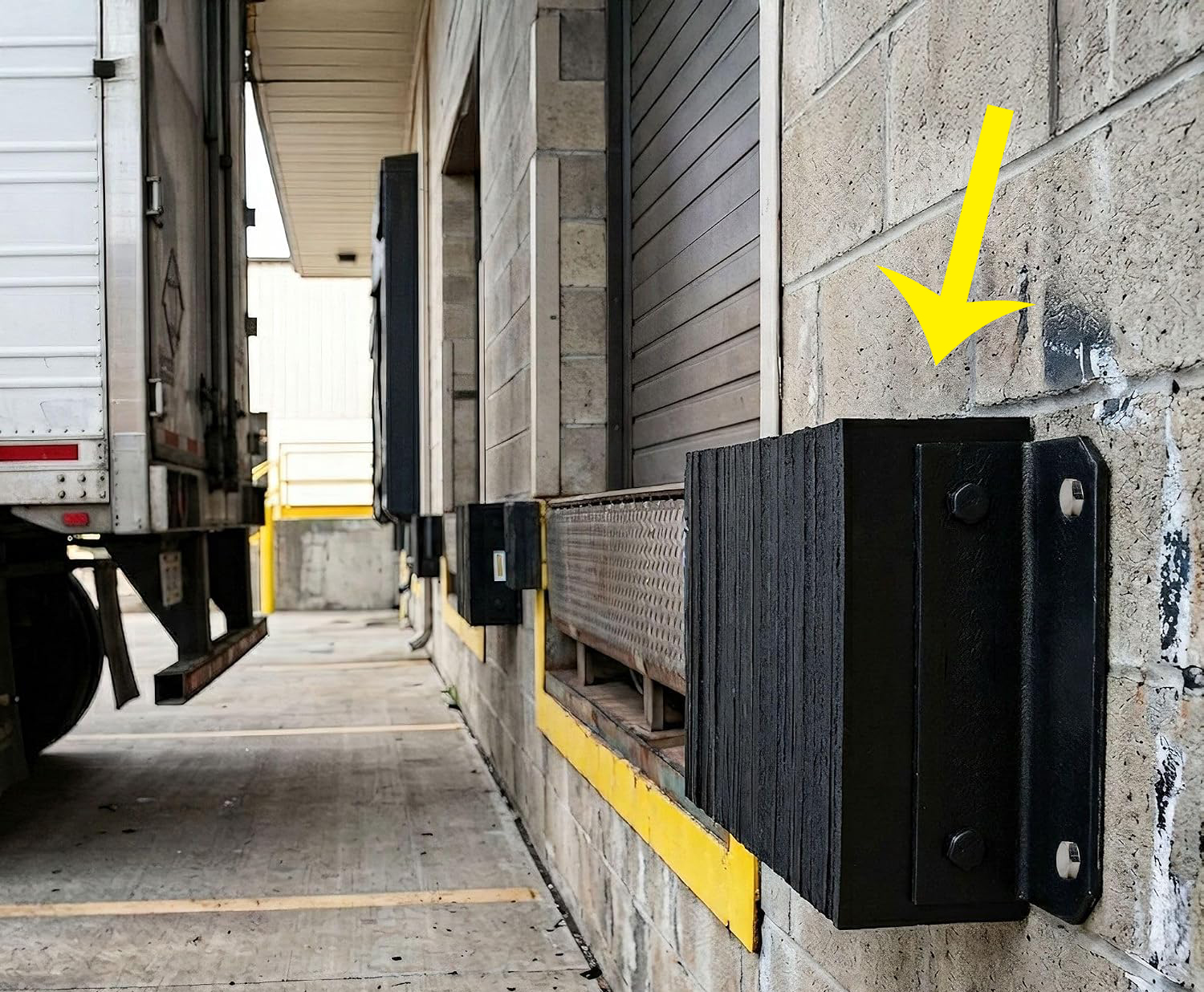 Rubber Laminated Loading Dock Bumper with Steel Angle: 5 Field Failure Signs That Point Back to the RFQ
 Bridge Bearing Pad Field Failure: 5 Visual Signs Before It Retires (And What Caused It)
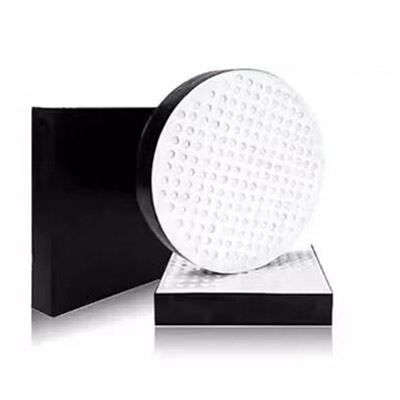 Bridge Bearing Pad RFQ Checklist: 9 Lines That Stop Suppliers From Subbing the Rubber
 Laminated Rubber Bearing: Maintenance and Inspection Protocols