
In the realm of manufacturing, efficiency and precision are paramount. One often overlooked yet crucial aspect is the installation of rubber plugs, which serve various purposes such as sealing, protecting, and insulating components in a multitude of industries. From automotive to aerospace, rubber plugs are an essential element in ensuring the functionality and longevity of products. However, manual installation of these plugs can be time-consuming, labor-intensive, and prone to inconsistencies. This is where automation comes into play, promising to revolutionize the way rubber plugs are installed.
Automating rubber plug installation processes involves integrating advanced technologies and methodologies to streamline operations, enhance productivity, and maintain consistent quality. The journey towards automation begins with a thorough understanding of the existing process, identifying pain points, and designing a customized solution that addresses these challenges.
Understanding the Current Process
Before diving into automation, it's crucial to have a comprehensive understanding of the manual rubber plug installation process. Typically, this involves several steps:
Preparation: Ensuring that the workpiece is clean and free of debris where the plug will be installed.
Selection: Choosing the correct size and type of rubber plug based on the application requirements.
Insertion: Manually inserting the plug into the designated hole or opening.
Securing: Ensuring the plug is properly seated and secured, often requiring additional steps like applying adhesive or using tools to lock it in place.
Quality Check: Inspecting the installation to verify that it meets the specified standards.
Each of these steps can present potential bottlenecks, such as variability in insertion force, misalignment, and human error during selection and quality control.
Identifying Pain Points
To effectively automate the process, it's essential to pinpoint the specific challenges associated with manual rubber plug installation. Some common pain points include:
Inconsistency: Manual insertion can lead to variations in plug placement and seating, affecting product performance.
Ergonomics: Repetitive manual tasks can cause strain and fatigue for operators, impacting productivity and worker health.
Speed: Manual processes are often slower compared to automated systems, limiting production capacity.
Quality Control: Human error in selection and inspection can result in defective products, increasing waste and rework.
Designing an Automated Solution
With the pain points identified, the next step is to design an automated solution that addresses these challenges. Here are the key components of an automated rubber plug installation system:
Feeding System: A mechanism to automatically feed the rubber plugs into the installation process. This could involve a vibratory bowl feeder, conveyor belt, or another type of automated parts feeder.
Robotic Arm: A robotic arm equipped with end-of-arm tooling (EOAT) designed specifically for handling and inserting rubber plugs. The EOAT must be capable of gripping the plug securely without damaging it and applying the correct amount of force during insertion.
Vision System: A machine vision system to ensure precise alignment of the plug with the workpiece. This system can use cameras and image processing algorithms to detect the position and orientation of the hole, allowing the robotic arm to adjust accordingly.
Force Control: A force-sensing device integrated into the robotic arm to monitor and control the insertion force. This ensures that the plug is inserted correctly without causing damage to the workpiece or the plug itself.
Quality Assurance: An automated inspection system to verify that the plug has been installed correctly. This could involve a combination of visual inspection and functional testing, such as checking for proper sealing or fit.
Integration and Control: A central control system to manage and coordinate the various components of the automated system. This system should be capable of handling different types and sizes of rubber plugs, as well as adapting to variations in the workpiece.
Implementation Considerations
Implementing an automated rubber plug installation system requires careful planning and execution. Here are some key considerations to keep in mind:
Customization: The system should be designed to accommodate the specific requirements of the application, including the type and size of rubber plugs, the workpiece geometry, and the production volume.
Scalability: The system should be scalable to accommodate future growth and changes in production needs.
Maintenance: Regular maintenance is essential to ensure the long-term reliability and performance of the automated system. This includes routine inspections, cleaning, and replacement of worn parts.
Training: Operators and maintenance personnel should receive comprehensive training on the operation, maintenance, and troubleshooting of the automated system.
Safety: Safety should be a top priority when designing and implementing the automated system. This includes incorporating safety features such as emergency stops, safety guards, and interlocks to prevent accidents and injuries.
Benefits of Automation
Automating rubber plug installation processes offers numerous benefits, including:
Increased Efficiency: Automated systems can significantly increase production speed, reducing cycle times and increasing throughput.
Improved Consistency: Automation ensures that each rubber plug is installed consistently, improving product quality and reducing the risk of defects.
Enhanced Ergonomics: By eliminating repetitive manual tasks, automation can reduce operator fatigue and improve workplace ergonomics.
Cost Savings: Automation can lead to cost savings by reducing labor costs, minimizing waste, and improving overall production efficiency.
Automating rubber plug installation processes is a strategic investment that can significantly enhance manufacturing efficiency, quality, and competitiveness. By carefully designing and implementing an automated system tailored to the specific needs of the application, manufacturers can overcome the challenges associated with manual installation and reap the benefits of automation. As technology continues to advance, the possibilities for automating rubber plug installation and other manufacturing processes will only continue to grow, driving innovation and progress across industries.
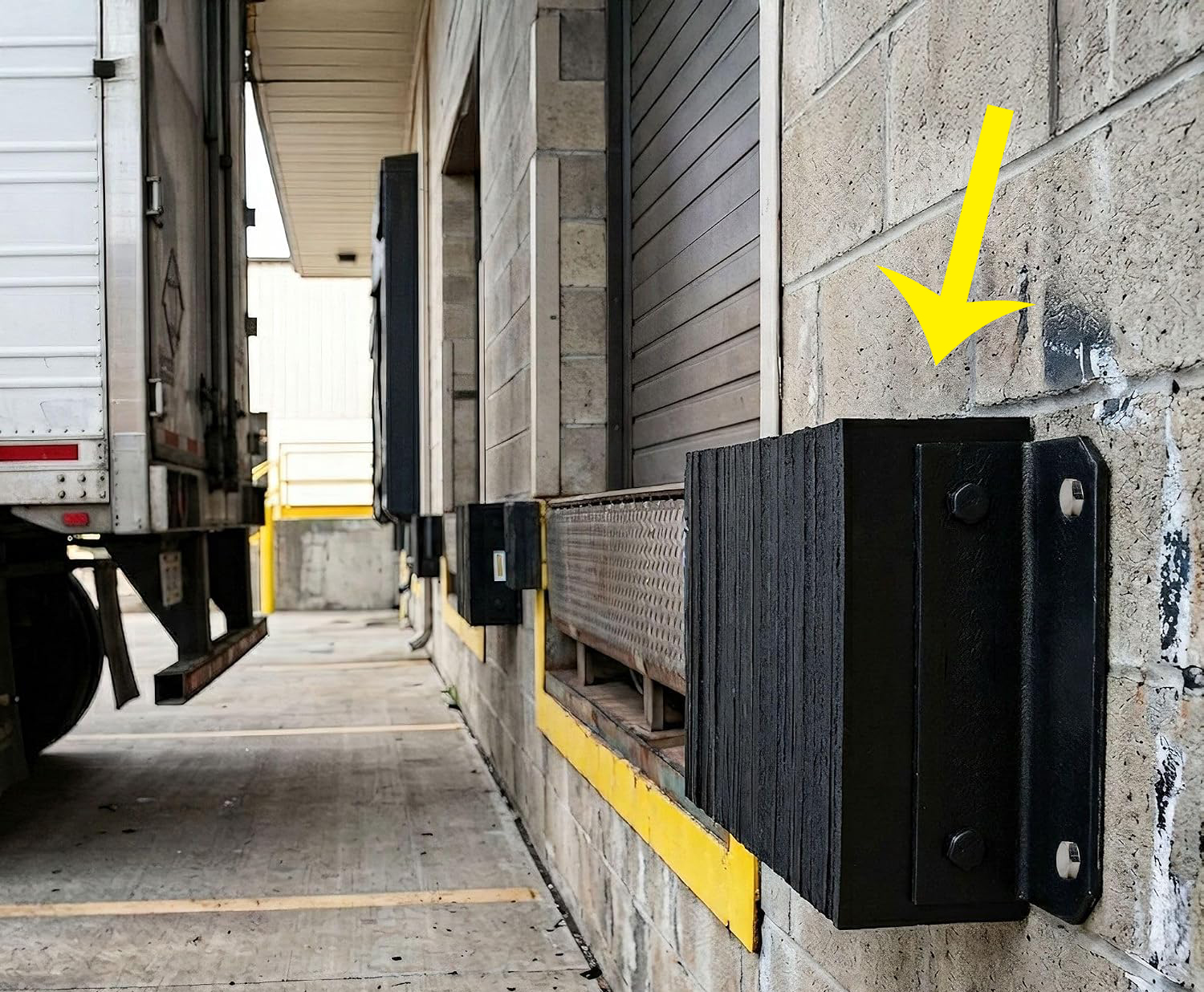 Rubber Laminated Loading Dock Bumper with Steel Angle: 5 Field Failure Signs That Point Back to the RFQ
 Bridge Bearing Pad Field Failure: 5 Visual Signs Before It Retires (And What Caused It)
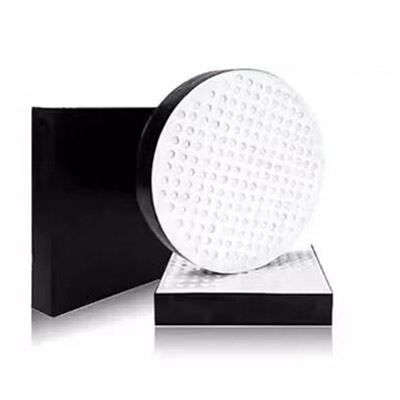 Bridge Bearing Pad RFQ Checklist: 9 Lines That Stop Suppliers From Subbing the Rubber
 Laminated Rubber Bearing: Maintenance and Inspection Protocols