
In the realm of industrial machinery, high-speed rotating equipment plays a pivotal role in various processes, ranging from automotive manufacturing to aerospace engineering. These machines, characterized by their rapid rotational speeds and precision operations, demand components that can withstand extreme conditions while maintaining optimal performance. One such critical component, often overlooked but essential, is the rubber plug. Rubber plugs serve multiple purposes in high-speed rotating equipment, including sealing, vibration damping, and protection against environmental contaminants. This article delves into the intricacies of rubber plug options tailored for high-speed rotating equipment, exploring material choices, design considerations, and performance benchmarks.
Material Selection: The Foundation of Durability
The choice of rubber material is paramount when it comes to manufacturing plugs for high-speed applications. The material must exhibit a unique combination of properties: high resilience, excellent tear strength, good abrasion resistance, and the ability to withstand elevated temperatures and pressures. Several rubber compounds stand out in this context:
Nitrile Rubber (NBR): Known for its oil and fuel resistance, NBR is a popular choice where the equipment operates in environments exposed to petroleum-based products. It offers a balance of mechanical properties and can withstand temperatures up to 120°C, making it suitable for many high-speed applications.
Fluoroelastomer (FKM or Viton): This high-performance rubber excels in heat resistance, capable of withstanding temperatures up to 250°C. Its excellent chemical resistance makes it ideal for applications involving aggressive chemicals or solvents, ensuring the plug remains intact and functional even in harsh environments.
Silicone Rubber (VMQ): Silicone is prized for its high temperature stability, flexibility over a wide temperature range (-60°C to 200°C), and excellent electrical insulation properties. It is often used in applications where thermal cycling or electrical isolation is a concern.
Ethylene Propylene Diene Monomer (EPDM): EPDM is valued for its weather resistance, ozone resistance, and low-temperature flexibility. It is a cost-effective option for applications where exposure to the elements is a factor, although its temperature resistance is lower compared to FKM or silicone.
When selecting the material, engineers must consider the specific operating conditions of the equipment, including temperature ranges, exposure to chemicals, and the need for electrical insulation. A thorough understanding of these factors will guide the choice towards the most appropriate rubber compound.
Design Considerations: Ensuring Optimal Performance
The design of a rubber plug for high-speed rotating equipment goes beyond merely selecting the right material. Several design aspects must be meticulously addressed to ensure the plug performs as intended:
Shape and Size: The plug's shape and size must conform to the specific requirements of the equipment it is sealing. Customized shapes, such as conical, cylindrical, or stepped designs, may be necessary to achieve a proper fit and seal. Precision manufacturing is crucial to prevent leakage and ensure the plug can withstand the rotational forces.
Durometer (Hardness): The durometer of the rubber plug significantly impacts its sealing capability and resistance to extrusion. A plug that is too hard may not conform well to the mating surface, leading to leaks, while one that is too soft may extrude under pressure, compromising the seal. The optimal durometer is determined by the application's specific needs, balancing sealing effectiveness with durability.
Reinforcement: In some high-stress applications, reinforcing the rubber plug with fabric or metal inserts can enhance its strength and resistance to tear. This reinforcement is particularly important in plugs subjected to high pressures or those that need to support additional components.
Installation and Removal: The design should facilitate easy installation and removal without damaging the plug or the equipment. Features such as chamfered edges or textured surfaces can aid in handling and ensure a secure fit.
Performance Benchmarks: Meeting the Standards
To ensure that rubber plugs for high-speed rotating equipment meet the required standards, they must undergo rigorous testing and evaluation. Key performance benchmarks include:
Seal Integrity: The plug must maintain a tight seal under varying conditions of pressure, temperature, and rotational speed. Leak testing, using methods such as helium leak detection or pressure decay testing, can verify the seal's integrity.
Wear Resistance: The plug should withstand the abrasive forces generated by high-speed rotation without significant wear. Accelerated wear testing can simulate long-term use and assess the plug's durability.
Temperature and Chemical Resistance: The plug must retain its properties when exposed to the expected temperature ranges and chemicals. Thermal aging tests and chemical immersion tests can evaluate the plug's resistance to these factors.
Vibration Damping: In applications where vibration control is critical, the plug should effectively dampen vibrations to prevent damage to the equipment and ensure smooth operation. Vibration testing can measure the plug's damping capabilities.
Longevity: The plug should have a long service life, reducing the need for frequent replacements and minimizing downtime. Life cycle testing can estimate the plug's expected lifespan under typical operating conditions.
Choosing the right rubber plug for high-speed rotating equipment is a complex process that requires a balanced approach, considering material properties, design features, and performance benchmarks. By carefully selecting the appropriate rubber compound, tailoring the design to the specific application, and rigorously testing the plug's performance, engineers can ensure that the rubber plug contributes to the reliable and efficient operation of the equipment.
In summary, rubber plugs may be small components, but they play a vital role in the performance and longevity of high-speed rotating equipment. Attention to detail in material selection, design, and testing is essential to deliver plugs that meet the demanding requirements of modern industrial machinery. As technology advances, continued research and development in rubber materials and manufacturing processes will further enhance the capabilities of these critical components, ensuring they remain an integral part of high-speed rotating equipment for years to come.
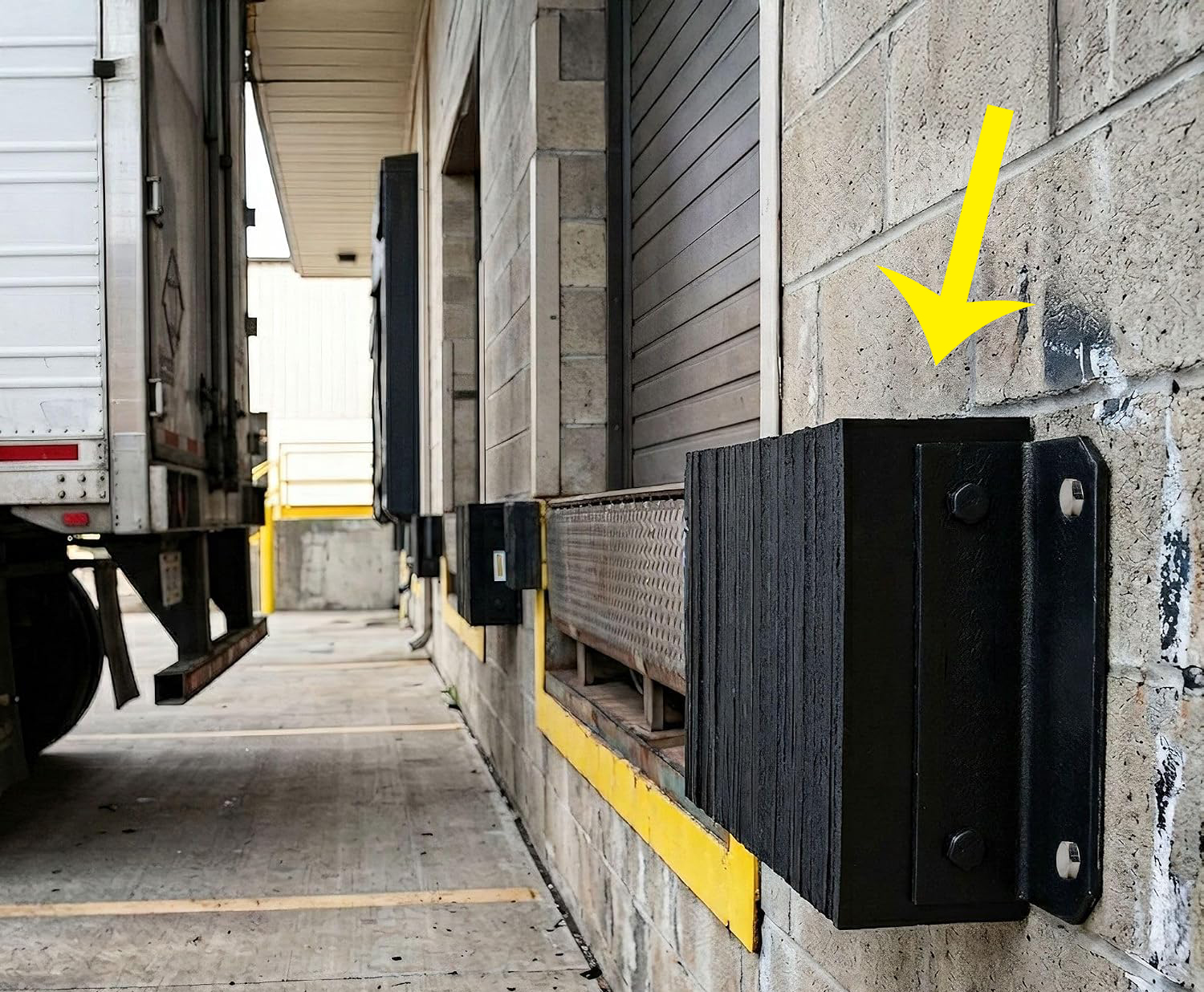 Rubber Laminated Loading Dock Bumper with Steel Angle: 5 Field Failure Signs That Point Back to the RFQ
 Bridge Bearing Pad Field Failure: 5 Visual Signs Before It Retires (And What Caused It)
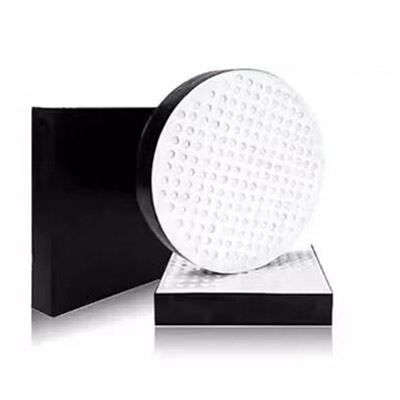 Bridge Bearing Pad RFQ Checklist: 9 Lines That Stop Suppliers From Subbing the Rubber
 Laminated Rubber Bearing: Maintenance and Inspection Protocols