
In the realm of materials science, rubber plugs play a pivotal role in various industries, from automotive and aerospace to plumbing and electronics. One of the critical properties that determine the effectiveness and longevity of rubber plugs is their abrasion resistance. This article delves into the intricacies of rubber plug abrasion resistance, exploring its significance, the factors influencing it, testing methods, and strategies to enhance it.
The Importance of Abrasion Resistance
Abrasion resistance refers to a material's ability to withstand wear and tear caused by rubbing, scraping, or frictional forces. For rubber plugs, this property is vital as they often come into contact with moving parts, sharp edges, or abrasive substances. A rubber plug with poor abrasion resistance is likely to wear out quickly, leading to leaks, reduced performance, and the need for frequent replacements. On the other hand, a plug with high abrasion resistance can maintain its integrity and functionality over an extended period, ensuring reliability and cost-effectiveness.
Factors Influencing Abrasion Resistance
Several factors contribute to the abrasion resistance of rubber plugs. Understanding these factors is crucial for designing and selecting the right rubber material for specific applications.
Rubber Compound: The choice of rubber compound significantly impacts abrasion resistance. Different rubber materials, such as natural rubber, styrene-butadiene rubber (SBR), nitrile rubber (NBR), and ethylene propylene diene monomer (EPDM), exhibit varying levels of abrasion resistance. For instance, NBR is known for its good abrasion resistance and oil resistance, making it suitable for applications where both properties are required.
Hardness: The hardness of the rubber plug also plays a role in its abrasion resistance. Generally, harder rubbers tend to have better abrasion resistance because they can better withstand the cutting action of abrasive particles. However, excessive hardness can lead to reduced flexibility and increased brittleness, so a balance must be struck.
Surface Finish: The surface finish of the rubber plug can affect its abrasion resistance. A smooth, polished surface is less likely to trap abrasive particles, reducing wear. Conversely, a rough or textured surface may provide more points of contact for abrasive particles, accelerating wear.
Operating Conditions: The conditions under which the rubber plug operates can significantly influence its abrasion resistance. Factors such as temperature, pressure, and the presence of chemicals or abrasive substances can all impact wear rates. For example, high temperatures can soften the rubber, making it more susceptible to abrasion, while certain chemicals can degrade the rubber, reducing its resistance.
Testing Methods for Abrasion Resistance
To assess the abrasion resistance of rubber plugs, various testing methods have been developed. These methods provide a quantitative measure of a material's ability to withstand abrasion, enabling engineers and designers to make informed decisions.
Abrasion Wheel Test: In this test, a rubber sample is placed against a rotating abrasion wheel coated with abrasive particles. The wheel is rotated for a specified number of revolutions, and the weight loss of the rubber sample is measured. The lower the weight loss, the better the abrasion resistance.
Taber Abrasion Test: The Taber abrasion test uses a rotating platform with abrasive wheels to simulate wear. The rubber sample is clamped onto the platform, and the wheels are lowered onto the sample, rotating for a set number of cycles. The resulting wear is measured and used to assess abrasion resistance.
Sand Slurry Abrasion Test: This test involves immersing a rubber sample in a slurry of abrasive particles, such as sand, and agitating it for a specified period. The wear on the sample is then measured to determine its abrasion resistance.
Actual Service Testing: While laboratory tests provide valuable data, actual service testing in real-world conditions can offer more accurate insights into a rubber plug's abrasion resistance. This method involves installing the rubber plug in its intended application and monitoring its performance over time.
Strategies to Enhance Abrasion Resistance
Enhancing the abrasion resistance of rubber plugs is essential for improving their durability and reliability. Several strategies can be employed to achieve this goal.
Material Selection: Choosing the right rubber compound is crucial. Materials with inherently high abrasion resistance, such as NBR or EPDM, should be considered for applications where wear is a concern.
Compound Modification: Adding fillers, such as carbon black or silica, can improve the abrasion resistance of rubber compounds. These fillers reinforce the rubber matrix, making it more resistant to wear.
Surface Treatment: Applying a surface treatment, such as a coating or a layer of more abrasion-resistant material, can protect the underlying rubber from wear. This approach is particularly useful for rubber plugs with critical surface areas that are prone to abrasion.
Design Optimization: The design of the rubber plug can also influence its abrasion resistance. For example, incorporating features such as ribs or grooves can reduce contact area and distribute wear more evenly, extending the plug's lifespan.
Environmental Considerations: Controlling the operating environment can help minimize abrasion. For instance, reducing exposure to abrasive substances, maintaining appropriate temperatures, and avoiding chemical contaminants can all contribute to improved abrasion resistance.
In summary, understanding rubber plug abrasion resistance is essential for ensuring the reliability and longevity of these components in various applications. Factors such as rubber compound, hardness, surface finish, and operating conditions all play a role in determining abrasion resistance. By employing appropriate testing methods and strategies to enhance abrasion resistance, engineers and designers can develop rubber plugs that meet the demanding requirements of modern industries. Whether through material selection, compound modification, surface treatment, design optimization, or environmental considerations, improving abrasion resistance is key to unlocking the full potential of rubber plugs in a wide range of applications.
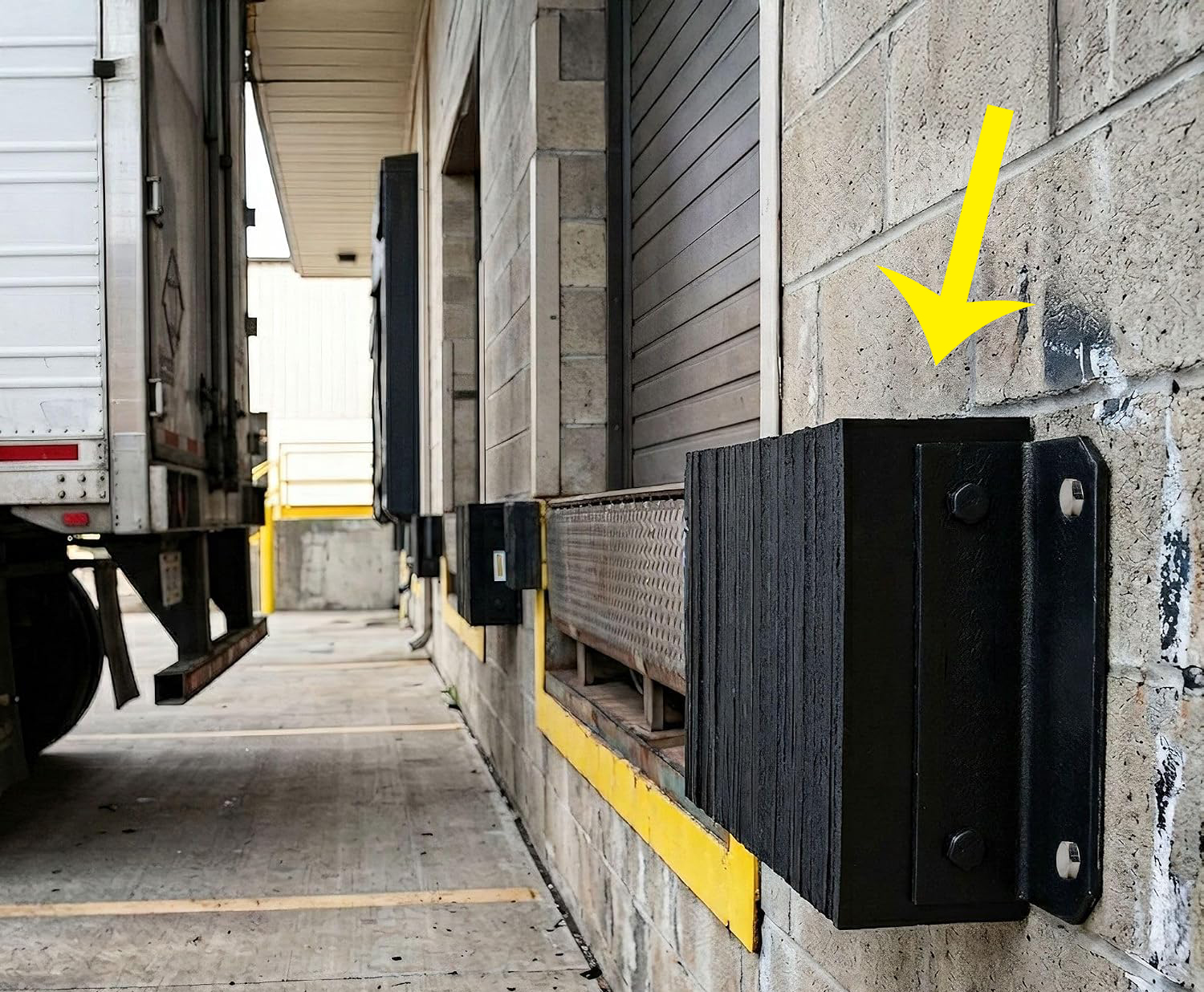 Rubber Laminated Loading Dock Bumper with Steel Angle: 5 Field Failure Signs That Point Back to the RFQ
 Bridge Bearing Pad Field Failure: 5 Visual Signs Before It Retires (And What Caused It)
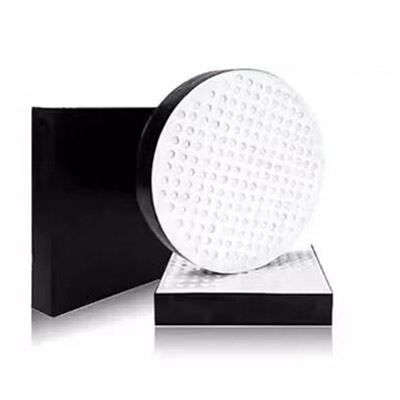 Bridge Bearing Pad RFQ Checklist: 9 Lines That Stop Suppliers From Subbing the Rubber
 Laminated Rubber Bearing: Maintenance and Inspection Protocols