
In the realm of fire protection, every component plays a crucial role in ensuring the safety of lives and property. Among the myriad of parts that constitute an effective fire protection system, rubber plugs might seem inconspicuous, yet their significance cannot be overstated. These unassuming devices serve as vital elements in maintaining the integrity and functionality of various fire protection components, thereby contributing to the overall efficacy of the system. This article delves into the multifaceted role of rubber plugs in fire protection systems, exploring their applications, benefits, and the importance of their proper selection and maintenance.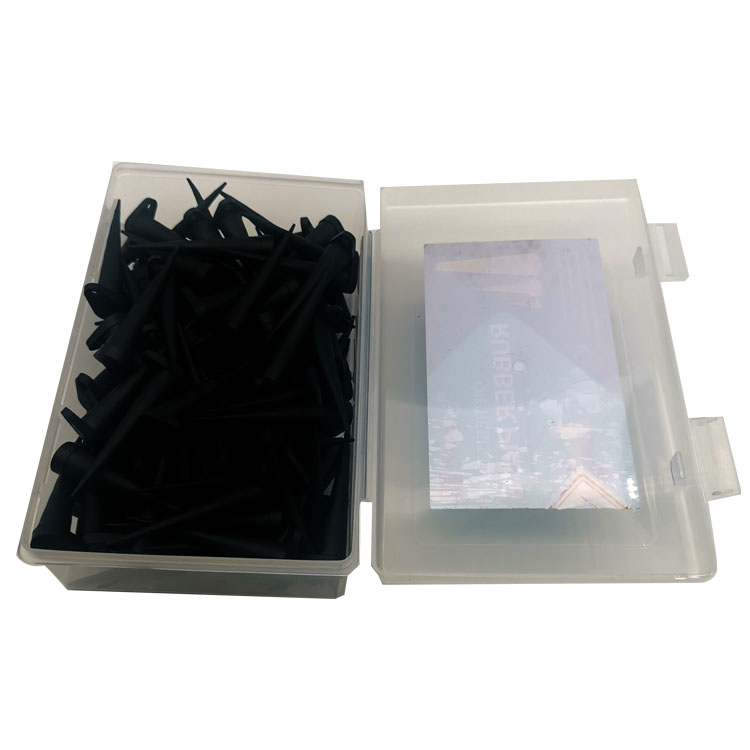
Understanding Fire Protection Systems
Fire protection systems are complex assemblies designed to detect, control, and extinguish fires. They encompass a range of devices and mechanisms, including sprinkler systems, fire alarms, smoke detectors, and fire suppression systems. Each component is engineered to work in harmony, providing a robust defense against the ravages of fire.
Sprinkler systems, in particular, are a cornerstone of fire protection. They operate on the principle of heat activation, where individual sprinkler heads are triggered by the rise in temperature associated with a fire. Once activated, these heads release water or other fire-retardant substances to douse the flames. However, the efficient operation of these systems hinges on the reliability of their component parts, one of which is the rubber plug.
The Function of Rubber Plugs
Rubber plugs are employed in various capacities within fire protection systems, primarily as sealing devices. They are used to seal openings in pipes, valves, and fittings, preventing the leakage of water or other fire-suppressing agents when the system is not in use. Their role becomes even more critical during a fire emergency, as they ensure that the water or suppressant is directed precisely where it is needed, without any loss of pressure or flow.
One of the primary applications of rubber plugs is in sprinkler heads. Each sprinkler head is equipped with a small rubber plug, often referred to as a seal or gasket, that holds back the water until the heat from a fire causes the plug to melt or deform. This allows the water to flow freely, drenching the affected area and containing the fire.
Benefits of Rubber Plugs
The utilization of rubber plugs in fire protection systems offers several advantages:
Reliability: Rubber plugs are designed to withstand the normal operating pressures of fire protection systems. They maintain their integrity over time, ensuring that the system remains leak-free and ready for action when needed.
Durability: High-quality rubber plugs are resistant to corrosion, chemical degradation, and extreme temperatures. This durability is essential, as fire protection systems must be capable of functioning effectively in harsh environments.
Cost-Effectiveness: Rubber plugs are a cost-effective solution for sealing and maintaining fire protection systems. Their relatively low cost, combined with their long service life, makes them an economical choice for system designers and maintenance personnel.
Ease of Installation and Maintenance: Rubber plugs are easy to install and replace, reducing the time and labor required for system maintenance. This is particularly important in large-scale fire protection systems, where regular inspections and maintenance are crucial.
Selecting the Right Rubber Plug
The selection of the appropriate rubber plug for a fire protection system is a critical decision that can impact the system's overall performance. Factors to consider when choosing a rubber plug include:
Material Compatibility: The rubber plug must be compatible with the fire-suppressant agent used in the system. Different materials may react differently to water, foam, or other suppressants, so it is essential to select a plug that will not degrade or lose its sealing properties over time.
Pressure Rating: The rubber plug must be able to withstand the maximum operating pressure of the fire protection system. Selecting a plug with an inadequate pressure rating could result in leaks or system failures during an emergency.
Temperature Resistance: The plug must be able to withstand the extreme temperatures associated with a fire. It should melt or deform at the appropriate temperature to allow the sprinkler head to activate, but not prematurely under normal operating conditions.
Size and Fit: The rubber plug must fit securely within the sprinkler head or other component it is sealing. A poor fit can lead to leaks or premature failure of the plug.
Maintenance and Inspection
Regular maintenance and inspection of fire protection systems, including the rubber plugs, are essential to ensure their readiness in the event of a fire. Maintenance personnel should perform visual inspections of the system components, including the rubber plugs, to check for signs of wear, corrosion, or damage. Any damaged or worn plugs should be replaced immediately to prevent potential system failures.
In addition to visual inspections, maintenance personnel should also perform functional tests of the fire protection system to verify that all components, including the rubber plugs, are operating correctly. These tests may involve simulating a fire condition to ensure that the sprinkler heads activate and release water or suppressant as intended.
Rubber plugs may be small and unassuming, but their role in fire protection systems is anything but insignificant. As critical sealing devices, they help maintain the integrity and functionality of sprinkler heads and other system components, ensuring that the system is ready to respond effectively in the event of a fire. By selecting the right rubber plugs and maintaining them properly, facility managers and fire protection professionals can enhance the safety and reliability of their fire protection systems, ultimately safeguarding lives and property.
In summary, rubber plugs are an indispensable component of fire protection systems. Their reliability, durability, cost-effectiveness, and ease of installation and maintenance make them a valuable asset in the fight against fire. By understanding their function, benefits, and proper selection and maintenance, we can ensure that these unassuming devices continue to play a vital role in protecting our communities from the devastating effects of fire.
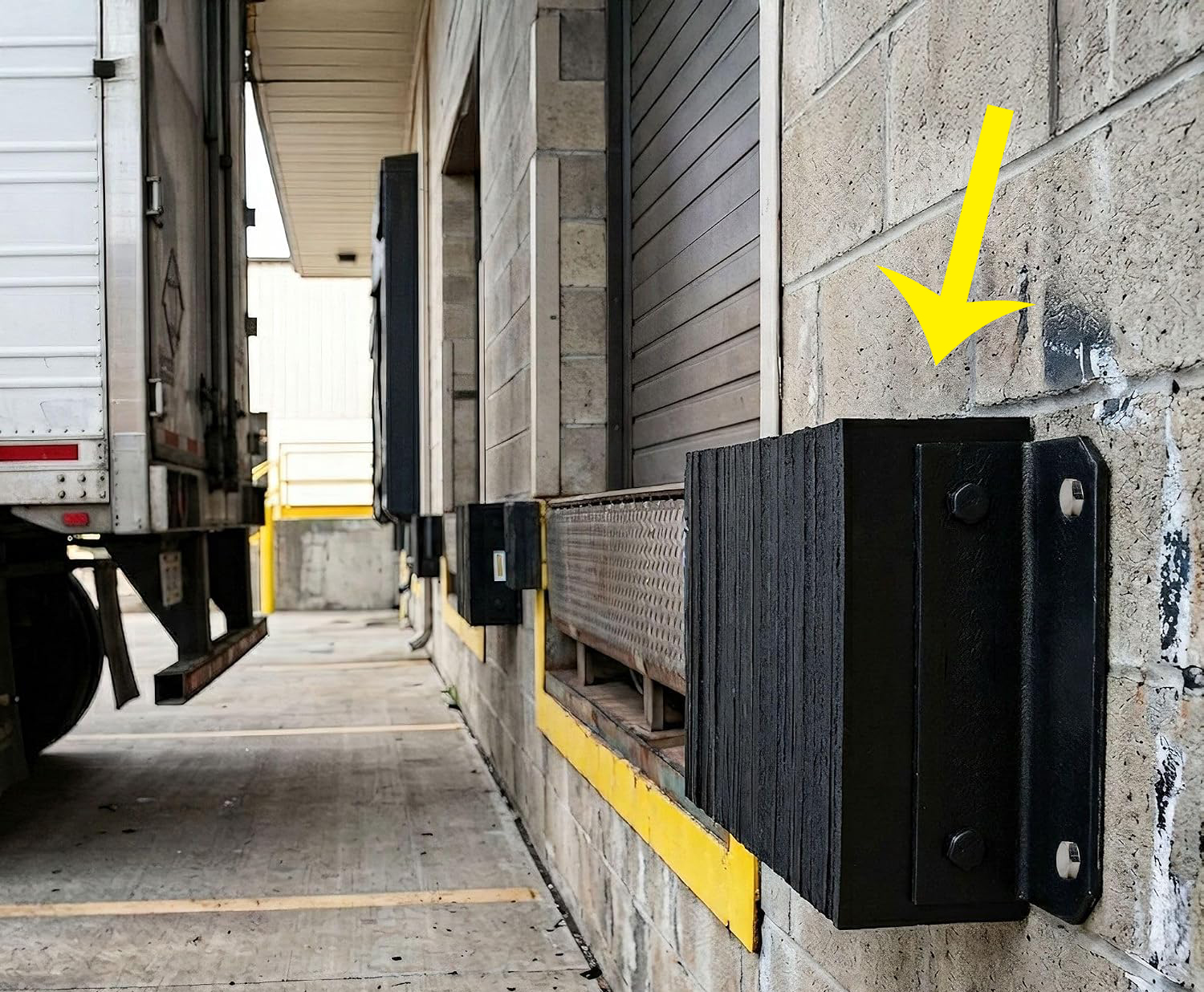 Rubber Laminated Loading Dock Bumper with Steel Angle: 5 Field Failure Signs That Point Back to the RFQ
 Bridge Bearing Pad Field Failure: 5 Visual Signs Before It Retires (And What Caused It)
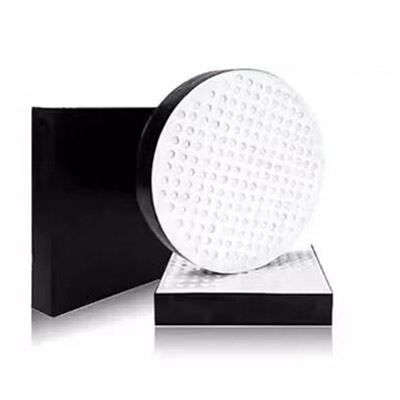 Bridge Bearing Pad RFQ Checklist: 9 Lines That Stop Suppliers From Subbing the Rubber
 Laminated Rubber Bearing: Maintenance and Inspection Protocols