
In the realm of manufacturing, customization has become a key driver of innovation and differentiation. One area where this trend is particularly evident is in the design and production of rubber plugs. Traditionally, rubber plugs have been mass-produced using molding techniques that offer limited flexibility in terms of design and customization. However, with the advent of 3D printing technology, the landscape is changing, enabling the creation of custom rubber plug designs that cater to specific needs and applications.
3D printing, also known as additive manufacturing, is a process where an object is created by laying down successive layers of material until the entire object is formed. This technology has revolutionized many industries, including aerospace, automotive, and healthcare, by allowing for the production of complex geometries and customized parts that would be difficult or impossible to create using traditional manufacturing methods.
When it comes to rubber plugs, 3D printing offers several advantages over traditional molding techniques. Here's a comprehensive guide on how to use 3D printing for custom rubber plug designs:
1. Understanding the Design Process
The first step in using 3D printing for custom rubber plug designs is to have a clear understanding of the design process. This involves creating a digital model of the plug using computer-aided design (CAD) software. The CAD model serves as the blueprint for the 3D printing process, dictating the shape, size, and features of the final product.
When designing a custom rubber plug, it's important to consider the specific application and environment in which it will be used. Factors such as the material's resistance to temperature, chemicals, and wear must be taken into account. Additionally, the design should incorporate any necessary features, such as grooves, threads, or sealing surfaces, to ensure the plug functions as intended.
One of the key advantages of 3D printing is the ability to create complex geometries that would be difficult or impossible to achieve with traditional molding techniques. This allows designers to push the boundaries of what's possible, creating plugs with intricate shapes and features that enhance their functionality and performance.
2. Choosing the Right 3D Printing Material
The next step in the process is to choose the right 3D printing material. While there are many different materials available for 3D printing, not all of them are suitable for rubber plug applications. The material must possess the necessary elasticity, durability, and resistance to environmental factors to ensure the plug performs as expected.
Elastomers, a class of materials that exhibit rubber-like properties, are commonly used in 3D printing for rubber plug applications. These materials can be tailored to meet specific performance requirements, such as high tear strength, abrasion resistance, and chemical compatibility.
When selecting a 3D printing material for a custom rubber plug, it's important to consider the material's processing characteristics, as well as its post-processing requirements. Some materials may require additional steps, such as curing or surface treatment, to achieve the desired properties.
3. Preparing the 3D Printer and Material
Once the design and material have been finalized, the next step is to prepare the 3D printer and material for the printing process. This involves loading the material into the printer, calibrating the printer to ensure accurate and consistent layer deposition, and setting the appropriate print parameters.
The print parameters, such as layer thickness, print speed, and temperature, can have a significant impact on the quality and performance of the final product. It's important to carefully select these parameters based on the material's processing characteristics and the desired properties of the final product.
In addition to the printer settings, the build platform must also be prepared. This may involve applying a release agent or adhesive to ensure the print adheres to the platform during the printing process and can be easily removed afterward.
4. Printing the Custom Rubber Plug
With the design, material, and printer prepared, it's time to print the custom rubber plug. The printing process itself is relatively straightforward, with the printer depositing layers of material according to the CAD model. However, it's important to monitor the print job to ensure everything is proceeding as expected and to address any issues that may arise.
One of the key advantages of 3D printing is the ability to produce parts with a high degree of accuracy and repeatability. This means that multiple plugs can be printed with consistent dimensions and features, ensuring they fit and function as intended.
5. Post-Processing the Rubber Plug
After the printing process is complete, the rubber plug may require additional post-processing steps to achieve the desired properties. These steps can include curing the material to enhance its elasticity and durability, sanding or polishing the surface to improve its appearance, or applying a coating to protect the plug from environmental factors.
The specific post-processing steps will depend on the material used and the intended application of the plug. It's important to follow the manufacturer's guidelines for post-processing to ensure the best possible results.
6. Testing and Validation
Before the custom rubber plug can be put into use, it's important to test and validate its performance. This may involve subjecting the plug to various environmental conditions, such as temperature extremes or exposure to chemicals, to ensure it can withstand the intended application.
Additionally, the plug should be tested for fit and function to ensure it meets the design requirements. Any issues or deficiencies should be identified and addressed before the plug is put into production.
7. Production and Scalability
Once the custom rubber plug has been tested and validated, it's ready for production. One of the key advantages of 3D printing is the ability to produce small batches of parts quickly and cost-effectively. This makes it an ideal solution for prototype development, small-scale production runs, or customized parts that are not suitable for mass production.
However, as the demand for custom rubber plugs grows, it may be necessary to consider scaling up the production process. This can be achieved by increasing the number of 3D printers or by transitioning to traditional molding techniques for larger production runs.
In conclusion, 3D printing offers a versatile and cost-effective solution for creating custom rubber plug designs. By leveraging the advantages of additive manufacturing, designers can push the boundaries of what's possible, creating plugs with intricate shapes and features that enhance their functionality and performance. With careful consideration of the design process, material selection, printer preparation, post-processing steps, and testing and validation, it's possible to produce high-quality custom rubber plugs that meet the specific needs and applications of end-users. As the technology continues to evolve, the potential for 3D printing in the rubber plug industry is limited only by the imagination of designers and the demands of the market.
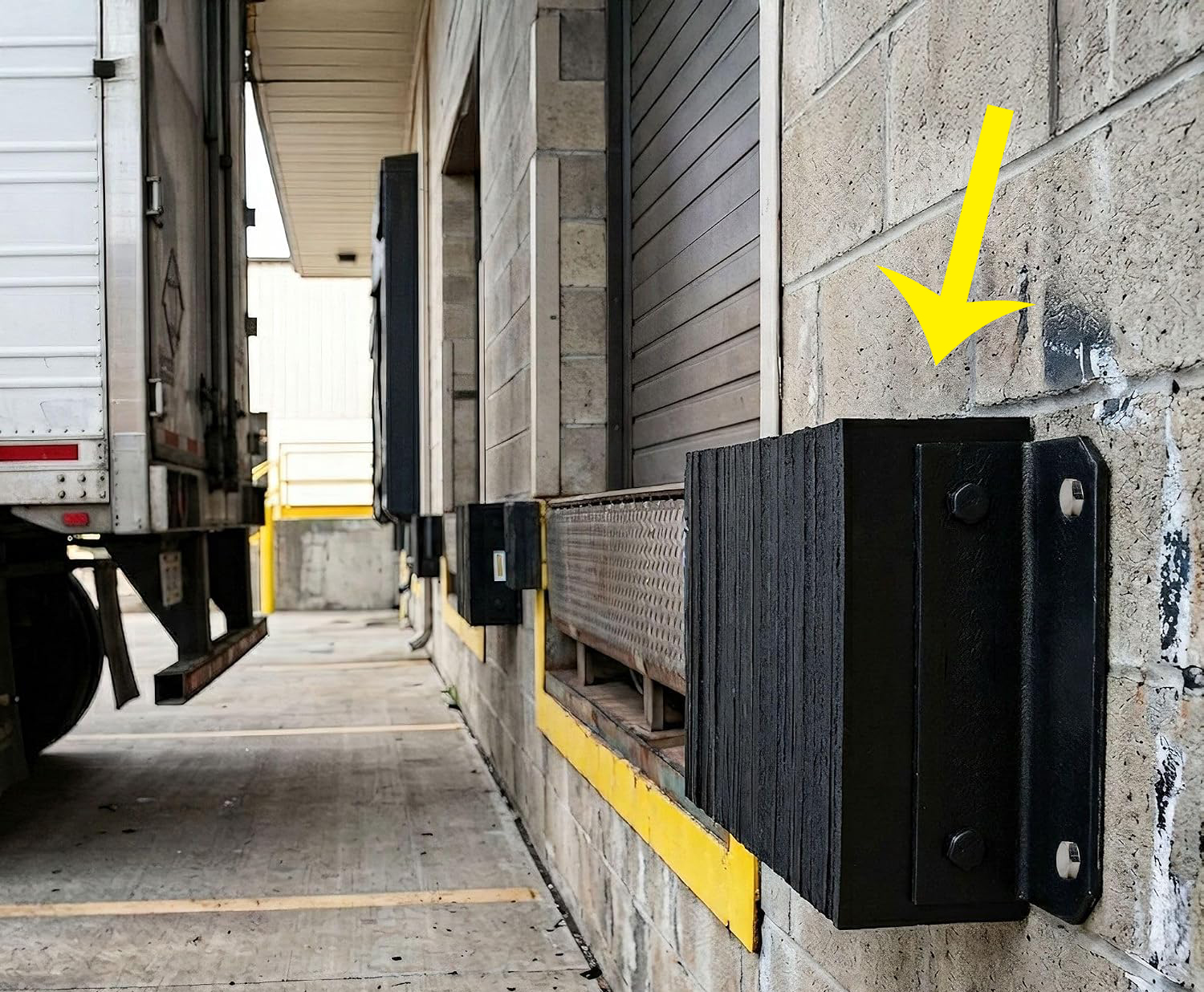 Rubber Laminated Loading Dock Bumper with Steel Angle: 5 Field Failure Signs That Point Back to the RFQ
 Bridge Bearing Pad Field Failure: 5 Visual Signs Before It Retires (And What Caused It)
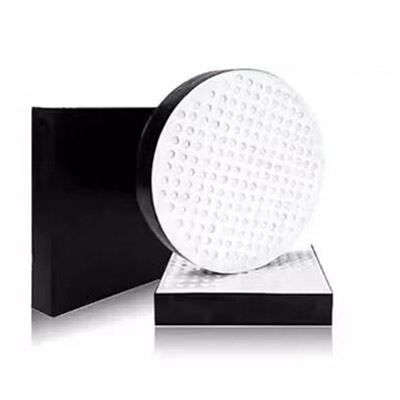 Bridge Bearing Pad RFQ Checklist: 9 Lines That Stop Suppliers From Subbing the Rubber
 Laminated Rubber Bearing: Maintenance and Inspection Protocols