
In the realm of structural engineering, the protection of buildings and infrastructures against seismic activities remains a paramount concern. Earthquakes, with their unpredictable nature and devastating impacts, pose significant challenges to the structural integrity of constructions. To mitigate the risks associated with seismic events, engineers have developed various isolation techniques, among which rubber plug solutions have emerged as a highly effective and innovative approach. This article delves into the intricacies of rubber plug systems for seismic isolation, exploring their design principles, benefits, implementation strategies, and the future prospects of this technology.
Understanding Seismic Isolation
Seismic isolation is a structural engineering technique aimed at decoupling a building from the ground motions induced by earthquakes. The fundamental principle behind this method is to isolate the structure's base from the seismic waves, thereby reducing the transmission of vibratory energy into the building. This is achieved by incorporating flexible elements, such as rubber bearings or sliders, between the building's foundation and its superstructure.
Rubber plugs, in the context of seismic isolation, represent a specialized application of elastomeric materials designed to absorb and dissipate seismic energy. These plugs are strategically placed within the isolation system to enhance the structure's resilience and stability during seismic events. By acting as shock absorbers, rubber plugs help to minimize the structural damage and ensure the safety of occupants.
Design Principles of Rubber Plug Systems
The design of rubber plug systems for seismic isolation is grounded in the principles of elastomer mechanics and structural dynamics. The primary objective is to create a flexible interface that can accommodate large displacements while maintaining structural integrity. This is achieved through the careful selection of rubber materials with optimal elasticity, damping properties, and durability.
Rubber plugs are typically manufactured from high-quality natural or synthetic rubber compounds, which exhibit excellent resilience and energy absorption capabilities. The design process involves determining the appropriate dimensions, shape, and material composition of the plugs to meet the specific requirements of the structure. Factors such as the building's weight, height, and expected seismic load are taken into account to ensure the effectiveness of the isolation system.
In addition to their elastic properties, rubber plugs are designed to provide damping, which is crucial for dissipating seismic energy. Damping mechanisms within the plugs help to reduce the amplitude of vibrations and prevent excessive displacements, thereby protecting the structure from damage. The combination of flexibility and damping makes rubber plugs an ideal solution for seismic isolation.
Benefits of Rubber Plug Systems
Rubber plug systems offer several advantages over traditional seismic resistance methods. Firstly, they provide a high level of isolation effectiveness, significantly reducing the transmission of seismic forces to the superstructure. This results in lower structural stresses and reduced damage potential, enhancing the overall safety and resilience of the building.
Secondly, rubber plugs are relatively easy to install and require minimal maintenance. They can be integrated into the building's foundation during the construction phase or retrofitted into existing structures with minimal disruptions. The simplicity of their design and installation process contributes to cost-effectiveness and time efficiency.
Furthermore, rubber plug systems exhibit excellent durability and longevity. The high-quality elastomeric materials used in their construction can withstand the harsh environmental conditions and repeated seismic events without significant degradation. This ensures the long-term performance and reliability of the isolation system.
Another notable benefit of rubber plug systems is their ability to accommodate large displacements. During an earthquake, the flexible nature of the plugs allows the building to move horizontally without compromising its structural integrity. This movement helps to dissipate seismic energy and reduce the impact on the building's frame and non-structural components.
Implementation Strategies
The implementation of rubber plug systems for seismic isolation requires a comprehensive approach that encompasses design, installation, and monitoring stages. Engineers must conduct thorough seismic assessments of the site and the building to determine the appropriate isolation strategy. This involves analyzing the soil conditions, seismic hazard levels, and the building's dynamic characteristics.
Once the design parameters are established, the rubber plugs are custom-made to fit the specific requirements of the structure. The installation process typically involves excavating the foundation, placing the rubber plugs in the designated positions, and securing them with anchoring systems. Care must be taken to ensure proper alignment and leveling of the plugs to maintain the structural stability.
After installation, regular monitoring and maintenance of the rubber plug system are essential to ensure its continued performance. This includes periodic inspections, testing, and any necessary repairs or replacements. Engineers should also establish a maintenance schedule that takes into account the specific conditions and expected seismic activity in the region.
Future Prospects of Rubber Plug Systems
The future of rubber plug solutions for seismic isolation looks promising, with ongoing research and development efforts aimed at enhancing their effectiveness and applicability. Advancements in elastomer technology are leading to the creation of new materials with improved elasticity, damping properties, and durability. These materials will enable the development of more efficient and reliable rubber plug systems.
Moreover, the integration of smart technologies, such as sensors and monitoring systems, into rubber plug solutions is expected to revolutionize seismic isolation. Real-time monitoring of the building's response to seismic events will allow for early detection of potential issues and timely intervention. This will further enhance the safety and resilience of structures equipped with rubber plug systems.
In addition, the increasing awareness of the importance of seismic resistance in building design is driving the adoption of rubber plug solutions in new constructions and retrofitting projects. As more engineers and architects recognize the benefits of these systems, their use is expected to become more widespread, contributing to the overall improvement of seismic safety in buildings and infrastructures.
In conclusion, rubber plug solutions for seismic isolation represent a highly effective and innovative approach to protecting structures against earthquake-induced damages. Their design principles, based on elastomer mechanics and structural dynamics, ensure optimal flexibility and damping properties, making them an ideal choice for seismic isolation. The benefits of rubber plug systems, including their high isolation effectiveness, ease of installation, durability, and ability to accommodate large displacements, make them a valuable addition to the arsenal of seismic resistance techniques. With ongoing research and development efforts, the future of rubber plug solutions looks promising, paving the way for safer and more resilient buildings and infrastructures.
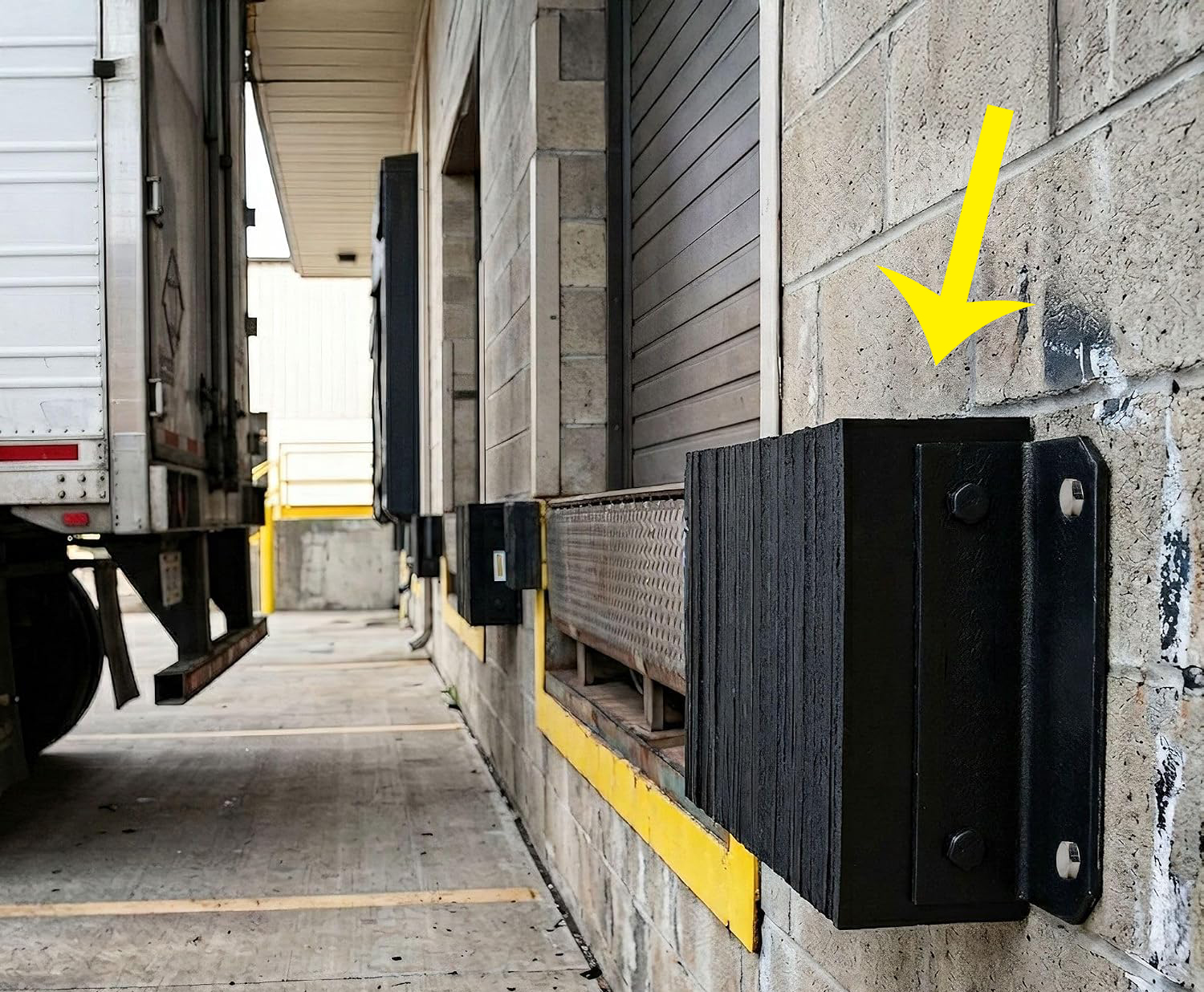 Rubber Laminated Loading Dock Bumper with Steel Angle: 5 Field Failure Signs That Point Back to the RFQ
 Bridge Bearing Pad Field Failure: 5 Visual Signs Before It Retires (And What Caused It)
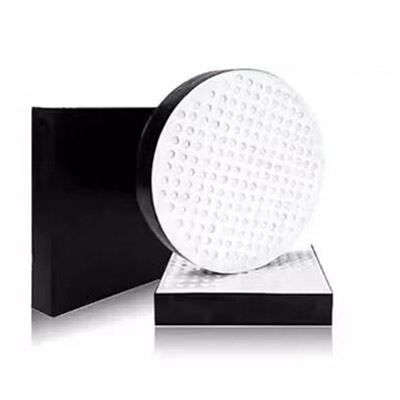 Bridge Bearing Pad RFQ Checklist: 9 Lines That Stop Suppliers From Subbing the Rubber
 Laminated Rubber Bearing: Maintenance and Inspection Protocols