
In the realm of industrial and manufacturing processes, the utilization of various materials and components is crucial for the efficient functioning and longevity of products. One such component that often goes unnoticed but plays a vital role is the rubber plug. Among the different methods of producing rubber plugs, compression molding stands out due to its numerous advantages. This article delves into the benefits of using compression molded rubber plugs, highlighting their versatility, durability, cost-effectiveness, and the precision they offer in various applications.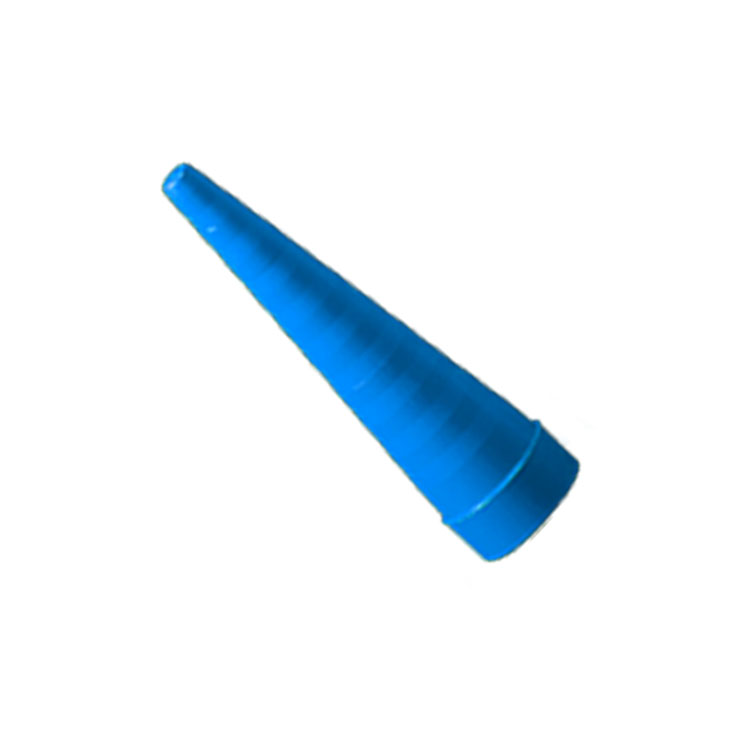
Understanding Compression Molding
Compression molding is a manufacturing process that involves shaping rubber or other thermoset materials by applying pressure and heat. The process begins with pre-measured amounts of rubber compound being placed into a heated mold cavity. Once the mold is closed, pressure is applied, causing the rubber to flow and fill the mold. After maintaining the pressure and temperature for a specified period, the mold is opened, and the cured rubber part is ejected. This method is particularly suitable for producing complex shapes and large parts with consistent quality.
Versatility in Applications
One of the primary benefits of compression molded rubber plugs is their versatility. These plugs can be tailored to fit a wide range of applications across various industries. From automotive and aerospace to electronics and plumbing, rubber plugs serve as essential components for sealing, protecting, and insulating.
In the automotive industry, for instance, rubber plugs are used to seal holes in engines, transmissions, and other mechanical parts, preventing the ingress of dirt, moisture, and contaminants. In the aerospace sector, they are crucial for maintaining the integrity of aircraft components, ensuring that they remain airtight and watertight.
Moreover, compression molded rubber plugs are extensively used in electrical and electronic enclosures to protect sensitive components from environmental factors. They also find applications in plumbing systems, where they act as stoppers or seals in pipes and fittings.
Durability and Resistance
Durability is another significant advantage of compression molded rubber plugs. The thermoset materials used in this process are known for their excellent resistance to wear, tear, and environmental factors such as temperature extremes, chemicals, and UV radiation. This makes compression molded rubber plugs ideal for use in harsh and demanding environments where other materials might fail.
For example, in the oil and gas industry, rubber plugs are exposed to corrosive substances and extreme temperatures. The durability of compression molded rubber ensures that these plugs can withstand such conditions, maintaining their sealing properties and preventing leaks.
Similarly, in outdoor applications, such as in marine environments, rubber plugs must endure constant exposure to saltwater, moisture, and UV rays. Compression molding produces plugs that can withstand these elements, ensuring long-lasting performance and reliability.
Cost-Effectiveness
Cost-effectiveness is a crucial consideration in any manufacturing process. Compression molding offers a cost-efficient method of producing rubber plugs in large quantities. The process allows for high production rates, reducing the per-unit cost and making it economically viable for mass production.
Furthermore, the precision and consistency of compression molded rubber plugs minimize waste and rework. The ability to produce parts with tight tolerances ensures that they fit perfectly, reducing the need for additional machining or adjustments. This not only saves time but also reduces material costs and labor expenses.
In addition, the durability of compression molded rubber plugs contributes to their cost-effectiveness in the long run. Their resistance to wear and tear means that they require less frequent replacement, reducing maintenance costs and downtime.
Precision and Consistency
Precision is essential in manufacturing, especially when it comes to components like rubber plugs that need to fit exactly. Compression molding allows for the production of rubber plugs with high precision and consistency. The process ensures that each plug conforms to the exact specifications and tolerances required, providing a reliable and uniform product.
This level of precision is particularly important in applications where a tight seal is critical. For example, in medical devices, rubber plugs are used to ensure sterile conditions and prevent leakage. The accuracy of compression molded rubber plugs ensures that they provide an effective seal, maintaining the integrity of the device and protecting patients' health.
Similarly, in hydraulic systems, rubber plugs are used to seal connections and prevent fluid leaks. The precision of compression molded plugs ensures that they fit securely, maintaining the pressure and efficiency of the system.
Design Flexibility
Compression molding offers design flexibility, allowing manufacturers to produce rubber plugs with complex shapes and features. The process can accommodate intricate designs, including undercuts, threads, and multiple cavities, without compromising the part's integrity.
This design flexibility is advantageous in applications where functionality and aesthetics are important. For example, in consumer products, rubber plugs may need to have a specific shape or texture to enhance the product's appearance and usability. Compression molding can produce plugs that meet these requirements, providing a finished product that is both functional and visually appealing.
Environmental Benefits
In today's world, environmental concerns are at the forefront of manufacturing practices. Compression molding is a relatively environmentally friendly process. The thermoset materials used in compression molding can be formulated to be recyclable, reducing waste and promoting sustainability.
Additionally, the precision and durability of compression molded rubber plugs contribute to their environmental benefits. Their long lifespan means that they require less frequent replacement, reducing the amount of waste generated. Furthermore, their resistance to wear and tear ensures that they perform efficiently, minimizing energy consumption and reducing the carbon footprint associated with their use.
In conclusion, compression molded rubber plugs offer a multitude of benefits that make them an excellent choice for various applications across different industries. Their versatility, durability, cost-effectiveness, precision, design flexibility, and environmental benefits make them a superior alternative to other manufacturing methods.
Whether used for sealing, protecting, or insulating, compression molded rubber plugs provide reliable and long-lasting performance. Their ability to withstand harsh environments, maintain tight tolerances, and accommodate complex designs makes them an essential component in many manufacturing processes.
As technology advances and manufacturing practices become more sophisticated, the demand for high-quality, precision-made components like compression molded rubber plugs is likely to increase. Manufacturers who adopt this method of production can benefit from improved product performance, reduced costs, and enhanced sustainability, ultimately contributing to their success in a competitive market.
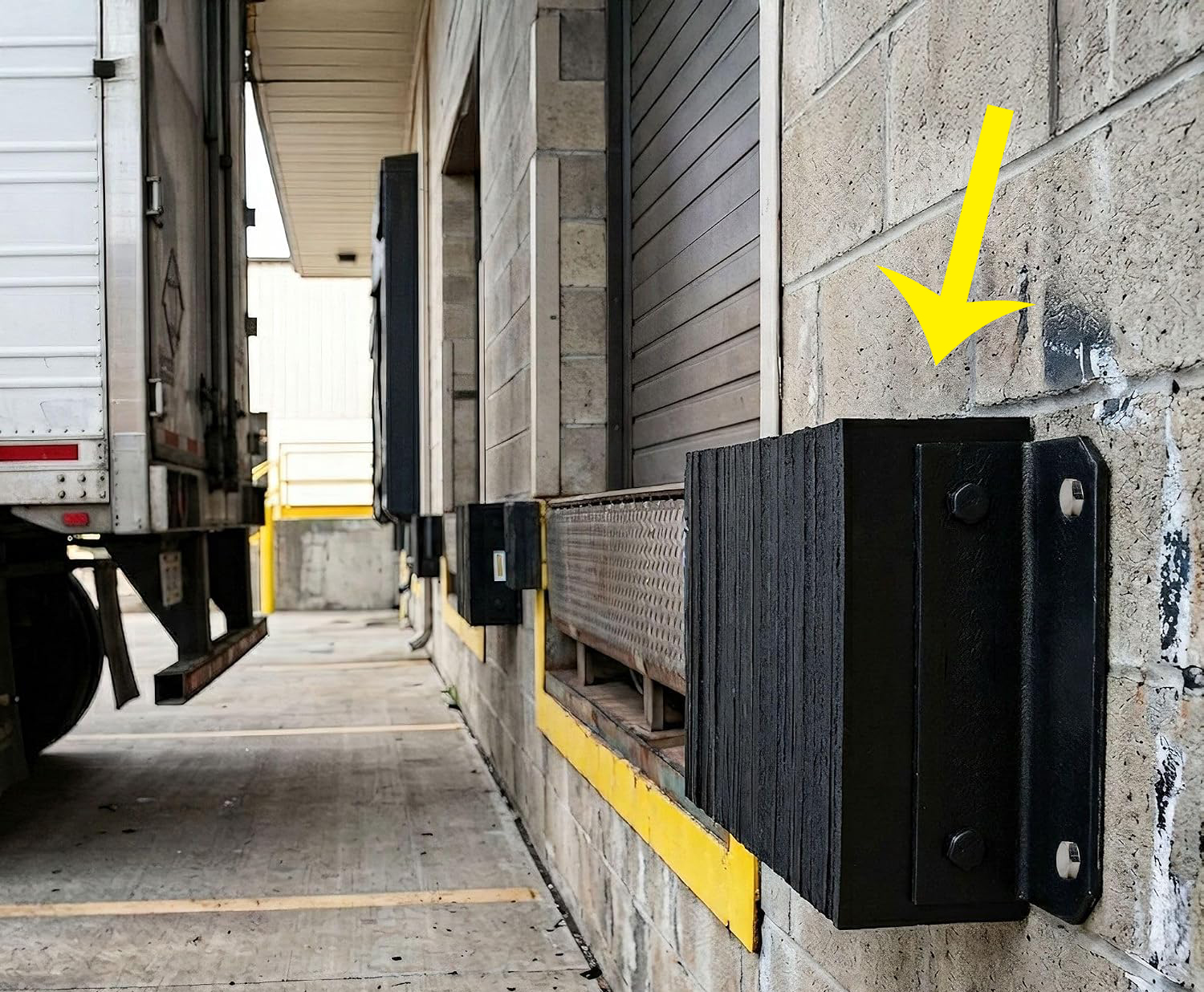 Rubber Laminated Loading Dock Bumper with Steel Angle: 5 Field Failure Signs That Point Back to the RFQ
 Bridge Bearing Pad Field Failure: 5 Visual Signs Before It Retires (And What Caused It)
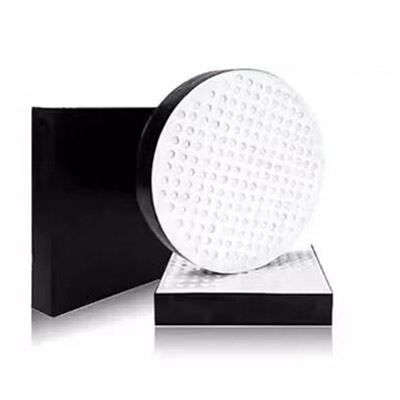 Bridge Bearing Pad RFQ Checklist: 9 Lines That Stop Suppliers From Subbing the Rubber
 Laminated Rubber Bearing: Maintenance and Inspection Protocols