
In the realm of materials science and engineering, rubber plugs play a crucial role in various applications, ranging from sealing components in automotive engines to ensuring the integrity of plumbing systems. One of the key properties that determines the suitability of a rubber plug for a particular application is its tensile strength. This article delves into the intricacies of rubber plug tensile strength, exploring its definition, measurement methods, factors influencing it, and the importance of this property in different industries.
Definition of Tensile Strength
Tensile strength, often referred to as ultimate tensile strength (UTS), is a measure of the maximum stress that a material can withstand while being stretched or pulled before it fails or breaks. In the context of rubber plugs, tensile strength indicates the plug's ability to resist breaking under tensile loads, which are forces acting in opposite directions, tending to pull the material apart.
For rubber materials, tensile strength is particularly significant because rubber is inherently elastic and can undergo substantial deformation before failure. The tensile strength of a rubber plug is critical in ensuring that it can maintain its structural integrity and sealing capabilities under the expected operational conditions.
Measurement of Tensile Strength
The measurement of tensile strength involves a standardized testing procedure, typically conducted using a universal testing machine (UTM). The test specimen, usually a standardized shape and size cut from the rubber material, is clamped at both ends and subjected to a gradually increasing tensile load until it breaks.
During the test, the force applied and the corresponding elongation of the specimen are recorded. The stress-strain curve, which plots stress (force per unit area) against strain (elongation per original length), is generated from these data. The maximum stress point on this curve represents the tensile strength of the material.
For rubber plugs, the tensile strength test may need to be adapted to account for the plug's specific geometry and application. In some cases, special fixtures or test setups may be required to accurately simulate the in-service conditions and measure the tensile strength effectively.
Factors Influencing Tensile Strength
Several factors can influence the tensile strength of rubber plugs, including the rubber compound's formulation, processing conditions, and environmental factors.
Rubber Compound Formulation: The choice of raw materials, such as elastomers, fillers, and additives, significantly affects the tensile strength. Elastomers with higher molecular weight and better cross-linking density generally exhibit higher tensile strength. Fillers, like carbon black or silica, can reinforce the rubber matrix and improve its mechanical properties. However, excessive filler loading can lead to brittleness and reduced tensile strength.
Processing Conditions: The processing techniques used to manufacture rubber plugs, such as mixing, extrusion, and molding, can impact the tensile strength. Proper processing ensures uniform dispersion of fillers and additives, good cross-linking, and minimal defects in the final product. Inadequate processing can result in weak points or voids within the rubber matrix, reducing the tensile strength.
Environmental Factors: Rubber plugs may be exposed to various environmental conditions during their service life, including temperature, moisture, chemicals, and ultraviolet (UV) radiation. These factors can degrade the rubber material and affect its tensile strength over time. For example, high temperatures can accelerate the thermal degradation of rubber, leading to a decrease in tensile strength. Exposure to chemicals or UV radiation can also cause chemical degradation and weakening of the material.
Importance of Tensile Strength in Different Industries
The tensile strength of rubber plugs is a critical property in multiple industries, where reliable sealing and durability are essential.
Automotive Industry: In the automotive sector, rubber plugs are used in various components, such as engine gaskets, oil seals, and hose connections. The tensile strength of these plugs is vital in ensuring that they can withstand the high pressures and temperatures encountered in automotive engines without failing or leaking.
Plumbing and HVAC Systems: Rubber plugs are commonly used as sealing elements in plumbing and heating, ventilation, and air conditioning (HVAC) systems. The tensile strength of these plugs is crucial in maintaining the integrity of the sealing joint and preventing leaks, which can cause water damage or system inefficiency.
Medical Devices: In the medical field, rubber plugs are used in devices such as syringes, infusion pumps, and catheters. The tensile strength of these plugs is important in ensuring that they can withstand the forces applied during use without breaking or compromising the sterile barrier.
Aerospace Industry: Rubber plugs are also utilized in aerospace applications, where they must withstand extreme environmental conditions, including high altitudes, low temperatures, and exposure to fuels and lubricants. The tensile strength of these plugs is essential in ensuring the safety and reliability of aerospace components.
Enhancing Tensile Strength
To enhance the tensile strength of rubber plugs, several strategies can be employed:
Optimizing Rubber Compound Formulation: By carefully selecting the elastomers, fillers, and additives used in the rubber compound, the tensile strength can be improved. Research and development efforts can focus on developing new materials or modifying existing ones to enhance their mechanical properties.
Improving Processing Techniques: Advancements in processing technologies, such as computer-controlled mixing and molding equipment, can help ensure consistent quality and improve the tensile strength of rubber plugs. Proper processing parameters, such as temperature, pressure, and cure time, must be carefully controlled to achieve optimal results.
Incorporating Reinforcements: In some cases, reinforcing materials, such as fibers or fabrics, can be incorporated into the rubber compound to improve its tensile strength. These reinforcements can provide additional support and help distribute the tensile loads more effectively.
Environmental Protection: To mitigate the effects of environmental factors on the tensile strength of rubber plugs, protective coatings or additives can be used. These can help shield the rubber material from temperature extremes, moisture, chemicals, and UV radiation, thereby extending its service life.
In conclusion, the tensile strength of rubber plugs is a fundamental property that determines their suitability for various applications. Understanding the factors that influence tensile strength and employing strategies to enhance it can help ensure the reliability and durability of rubber plugs in different industries. By carefully controlling the rubber compound formulation, processing conditions, and environmental protections, manufacturers can produce high-quality rubber plugs that meet the demanding requirements of modern engineering and technology.
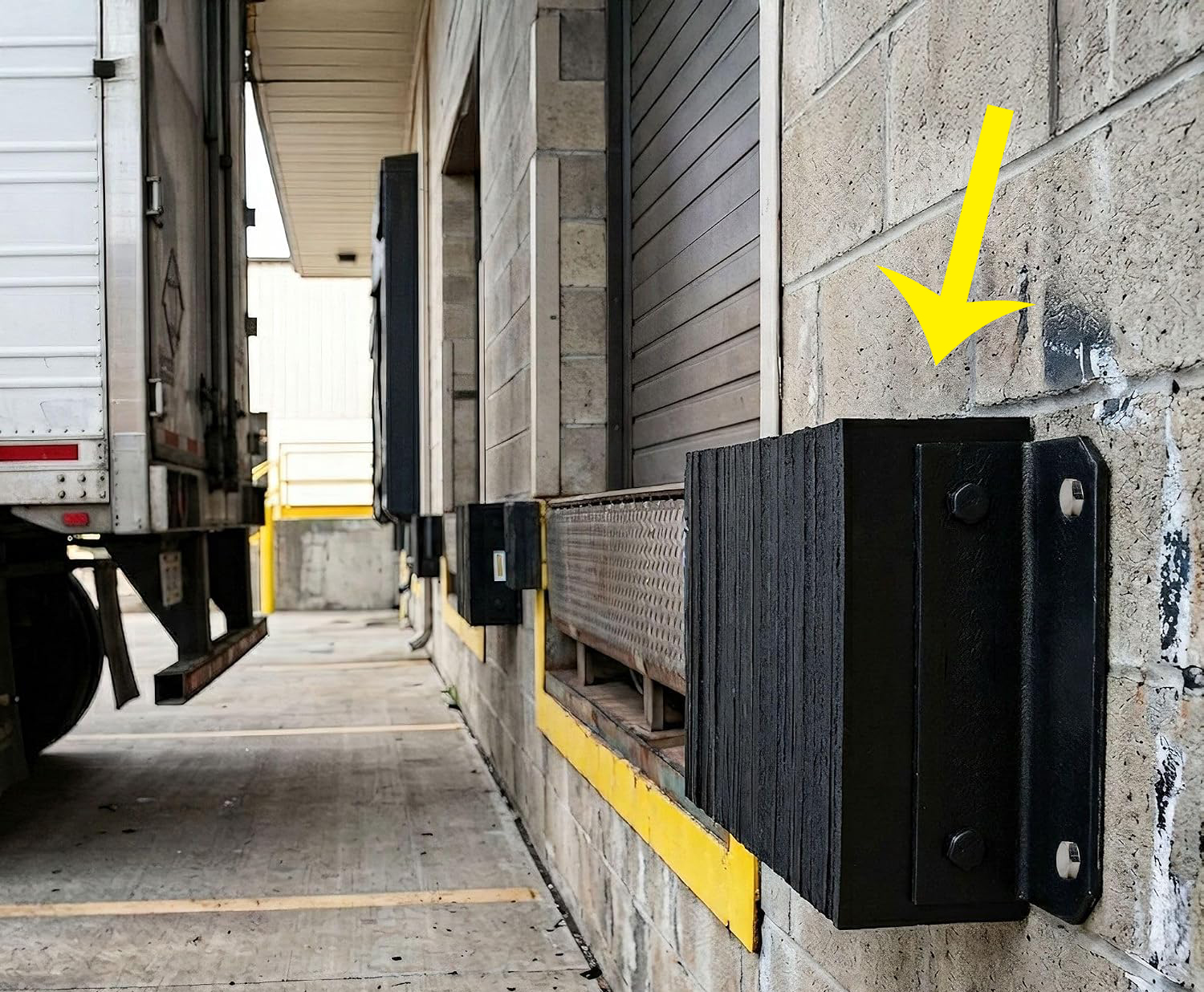 Rubber Laminated Loading Dock Bumper with Steel Angle: 5 Field Failure Signs That Point Back to the RFQ
 Bridge Bearing Pad Field Failure: 5 Visual Signs Before It Retires (And What Caused It)
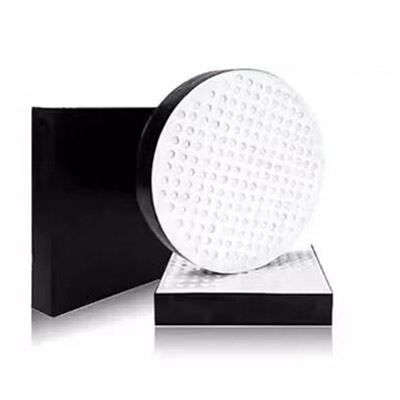 Bridge Bearing Pad RFQ Checklist: 9 Lines That Stop Suppliers From Subbing the Rubber
 Laminated Rubber Bearing: Maintenance and Inspection Protocols