
Rubber plugs, as essential components in various industries ranging from automotive to aerospace, often encounter harsh chemical environments that can degrade their performance over time. Ensuring the chemical resistance of these plugs is crucial to maintaining the integrity and functionality of the systems they seal. This article outlines a comprehensive approach to testing rubber plugs for chemical resistance, covering the fundamental principles, test methods, and considerations for accurate and reliable results.
Understanding Chemical Resistance
Chemical resistance refers to a material's ability to withstand the detrimental effects of chemicals without significant change in its properties. For rubber plugs, this means retaining their elasticity, strength, and sealing capabilities when exposed to different chemicals. The degree of resistance can vary widely depending on the rubber compound, the type and concentration of the chemical, the exposure time, and the temperature.
Importance of Chemical Resistance Testing
Testing rubber plugs for chemical resistance is vital for several reasons:
Product Performance: Ensuring that the plugs can withstand the chemicals they will encounter in real-world applications, thereby maintaining their sealing effectiveness.
Safety: Preventing leaks and failures that could lead to hazardous situations or equipment malfunctions.
Compliance: Meeting industry standards and customer specifications regarding chemical resistance.
Cost Savings: Avoiding the expenses associated with product recalls, warranty claims, and replacement costs due to premature failure.
Factors Affecting Chemical Resistance
Several factors influence the chemical resistance of rubber plugs:
Rubber Composition: Different rubber materials have varying levels of resistance to specific chemicals.
Chemical Properties: The type, concentration, and temperature of the chemical play critical roles.
Exposure Duration: Prolonged exposure generally increases the likelihood of chemical degradation.
Mechanical Stress: Combined chemical and mechanical stress can accelerate degradation.
Test Methods for Chemical Resistance
Several standardized and customized test methods can be employed to assess the chemical resistance of rubber plugs. The following are some commonly used methods:
1. Immersion Test
The immersion test involves submerging the rubber plugs in the test chemical for a specified period. This method is straightforward and provides direct information on the material's resistance.
Procedure:
Clean and dry the rubber plugs.
Measure and record the initial dimensions and weight.
Immerse the plugs in the test chemical at the desired temperature.
Remove the plugs after the predetermined exposure time.
Rinse, dry, and measure the final dimensions and weight.
Evaluate changes in appearance, dimensions, weight, and mechanical properties.
Advantages: Simple setup, easy to perform, and provides direct exposure to the chemical.
Disadvantages: May not account for all real-world conditions, such as varying temperatures or mechanical stress.
2. Drip Test
The drip test simulates exposure to chemicals in a more controlled and localized manner.
Procedure:
Place the rubber plugs on a test stand.
Use a drip device to apply the test chemical at a controlled rate onto a specific area of the plug.
Monitor the area for changes over time.
Evaluate the results based on predetermined criteria.
Advantages: Allows for targeted exposure, useful for evaluating specific areas of concern.
Disadvantages: May not represent uniform exposure as in immersion tests.
3. Accelerated Aging Test
Accelerated aging tests subject the rubber plugs to elevated temperatures and/or chemicals to simulate long-term exposure in a shorter period.
Procedure:
Place the plugs in an environmental chamber with controlled temperature and humidity.
Expose the plugs to the test chemical under these conditions.
Periodically check the plugs for signs of degradation.
Analyze the results to predict long-term performance.
Advantages: Provides accelerated results, useful for predicting long-term durability.
Disadvantages: May not perfectly replicate real-world conditions, requiring careful interpretation of results.
4. Mechanical Stress Test
Combining chemical exposure with mechanical stress can provide a more realistic assessment of the rubber plugs' performance.
Procedure:
Expose the plugs to the test chemical.
Apply mechanical stress, such as compression, tension, or torsion, while exposed.
Monitor the plugs for changes in properties and performance.
Advantages: Simulates real-world conditions more closely.
Disadvantages: More complex setup and execution.
Considerations for Testing
When conducting chemical resistance tests on rubber plugs, several considerations must be taken into account:
Test Chemical Selection: Choose chemicals that represent the actual environment the plugs will encounter.
Temperature Control: Ensure the test temperature mimics the real-world application conditions.
Exposure Time: Determine the appropriate exposure time based on the expected service life of the plugs.
Sample Preparation: Properly clean and prepare the samples to avoid contamination.
Data Recording: Accurately record all measurements and observations for analysis.
Safety Precautions: Follow all safety protocols when handling chemicals and operating test equipment.
Analyzing Test Results
Analyzing the test results involves comparing the initial and final properties of the rubber plugs. Look for changes in:
Appearance: Discoloration, swelling, or cracking.
Dimensions: Changes in length, diameter, or volume.
Weight: Loss or gain in mass.
Mechanical Properties: Changes in hardness, tensile strength, or elasticity.
Based on these observations, assess the chemical resistance of the rubber plugs and determine their suitability for the intended application.
Testing rubber plugs for chemical resistance is a critical step in ensuring their performance, safety, and compliance. By understanding the factors that influence chemical resistance and employing appropriate test methods, manufacturers can accurately assess the durability of their products. Whether through immersion, drip, accelerated aging, or mechanical stress tests, careful planning and execution are essential for obtaining reliable results. With this knowledge, industries can confidently select and utilize rubber plugs that withstand the harsh chemical environments they encounter.
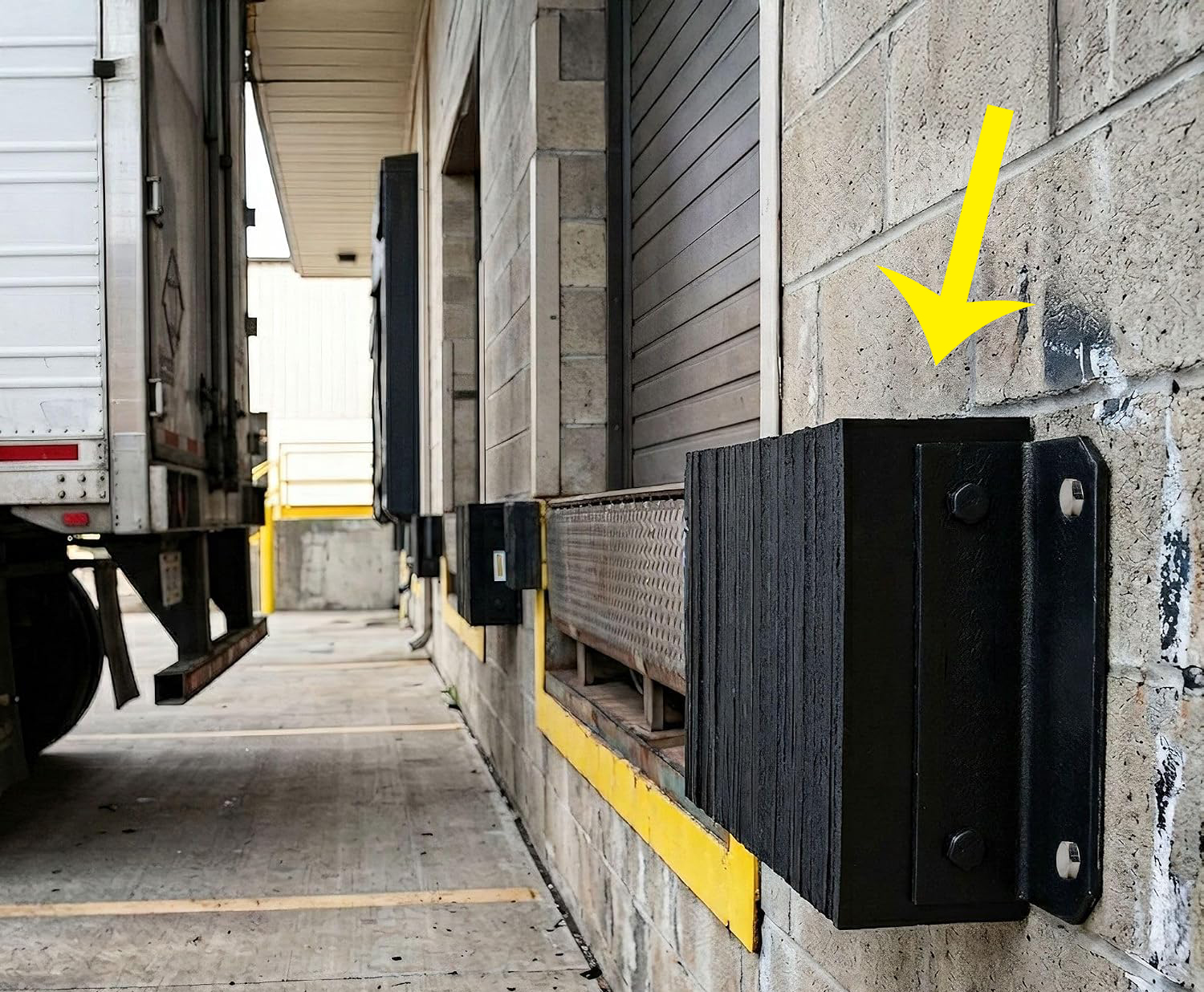 Rubber Laminated Loading Dock Bumper with Steel Angle: 5 Field Failure Signs That Point Back to the RFQ
 Bridge Bearing Pad Field Failure: 5 Visual Signs Before It Retires (And What Caused It)
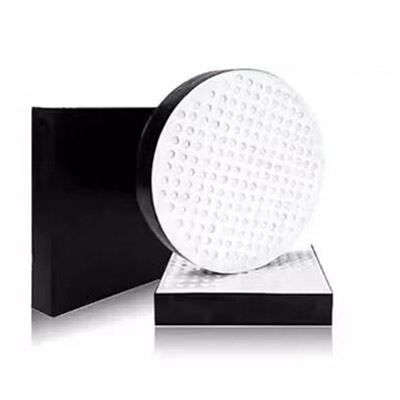 Bridge Bearing Pad RFQ Checklist: 9 Lines That Stop Suppliers From Subbing the Rubber
 Laminated Rubber Bearing: Maintenance and Inspection Protocols